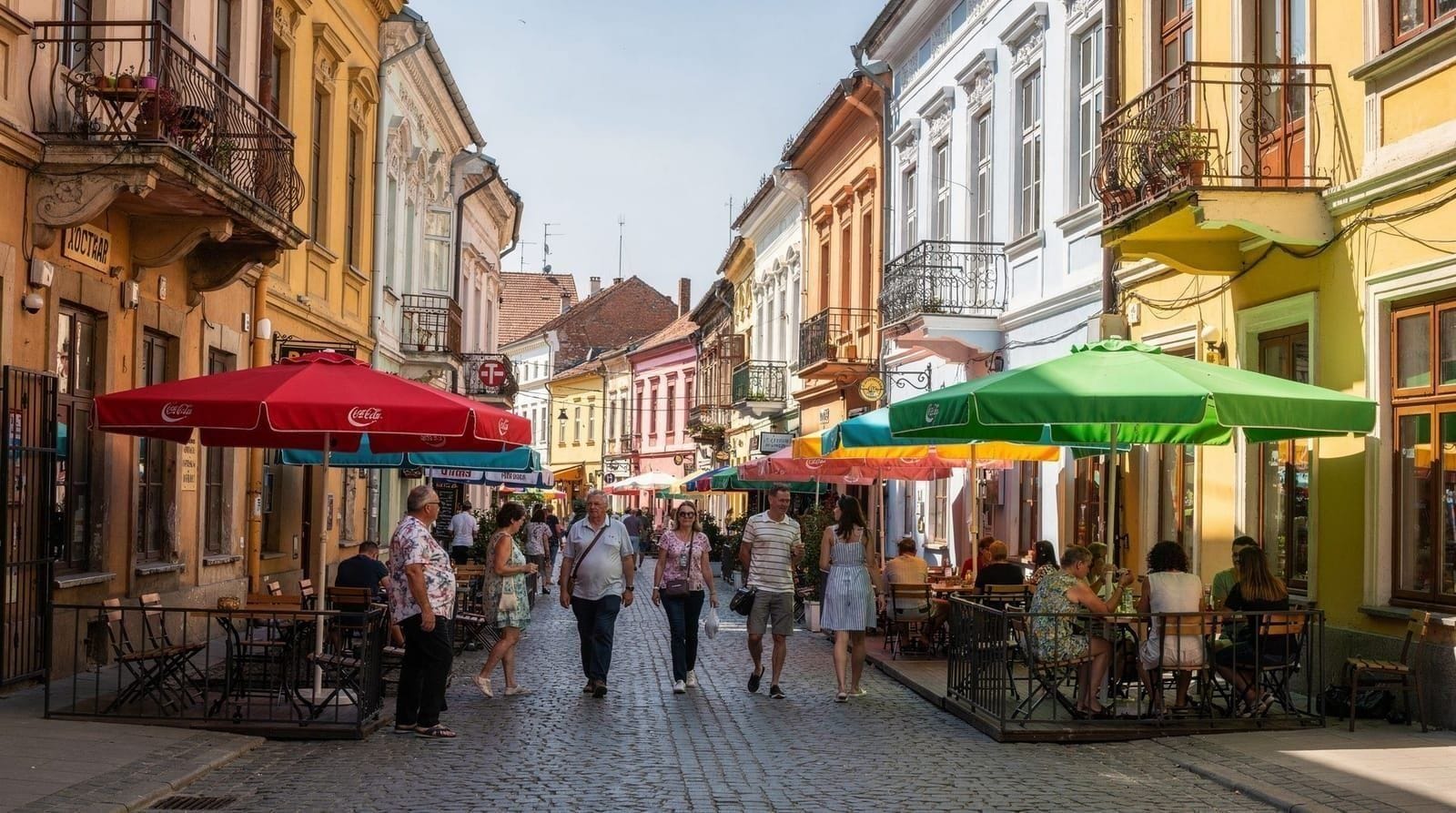
Bucharest food guide: what to eat, where and how much
Bucharest: 4 hour walking food tour in the Old Town
Duration: 4 hours
What is the must-eat food in Bucharest?
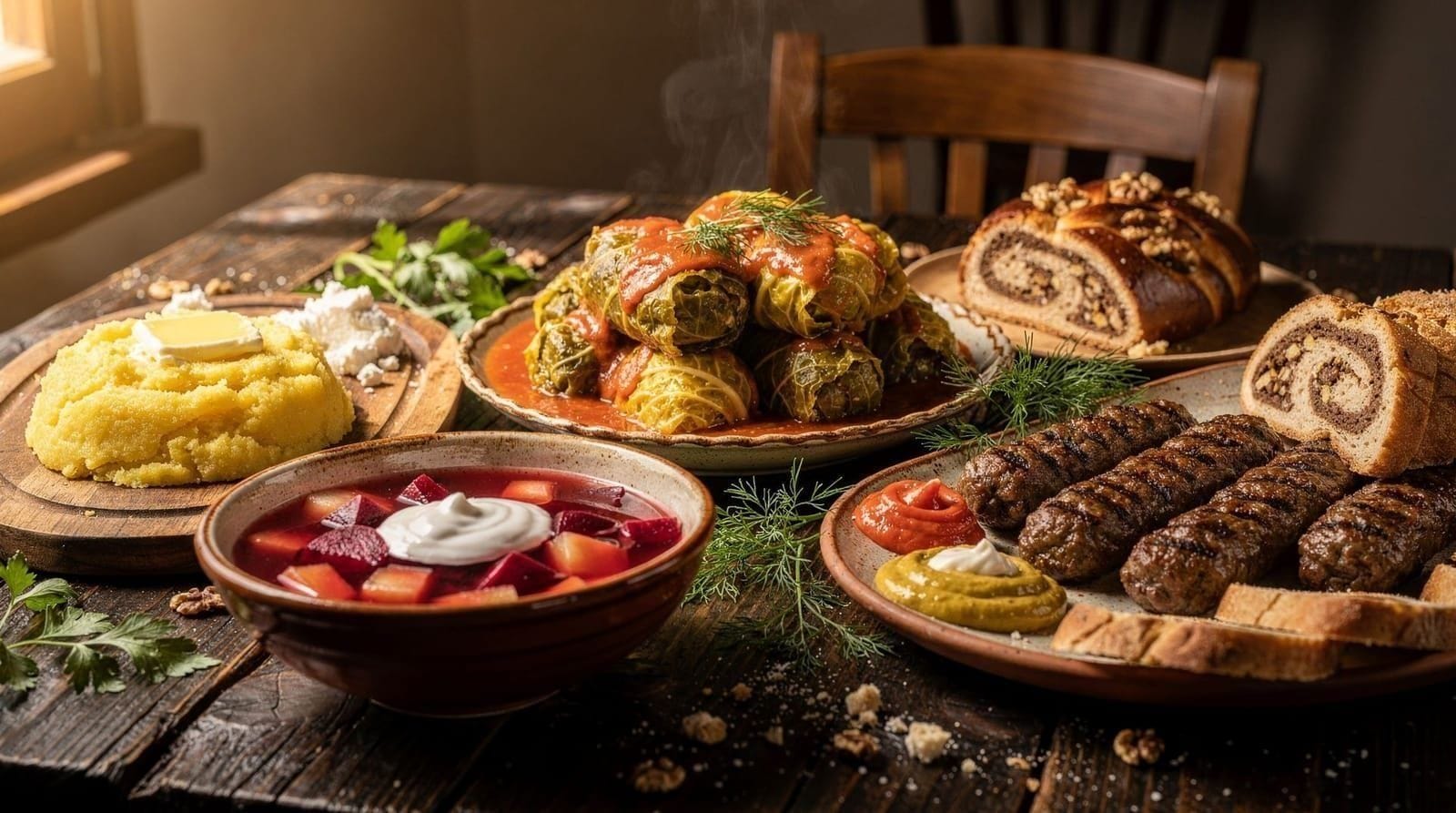
Mici (grilled minced-meat rolls), sarmale (cabbage rolls with pork and rice), ciorba de burta (tripe soup) and cozonac (sweet walnut bread). Caru' cu Bere is the most iconic restaurant for a sit-down Romanian meal. Expect to pay 60–120 RON (€12–24) for a full dinner without wine.
Bucharest punches well above its weight for food. Romanian cuisine is properly hearty — built around slow-cooked meats, fermented sourness, and good bread — and the city has absorbed a century of Balkan, Ottoman and Central European influence without losing its character. This guide covers what to eat, where the locals actually go, and how to avoid the tourist-trap restaurants in Lipscani.
| Must-eat | Mici, sarmale, ciorba de burta, cozonac |
| Where locals eat | Floreasca, Dorobanți, Văcărești |
| Where to be careful | Lipscani (Old Town) — 30–50% tourist markup |
| Full dinner | 60–160 RON (€12–31) per person, no wine |
| Best value meal | Lunch menu (prânz), 35–55 RON |
Understanding Romanian cuisine before you sit down
Romanian food is peasant food done well. Three techniques dominate: slow braising (tocane, stews), smoking (meats and sausages) and fermenting (sour soups, pickled vegetables). You will not find many delicate preparations — this is food designed for cold winters and hard physical work. That said, the flavours are genuinely complex when you eat at the right places.
Seasonality matters more than in most European capitals. Sarmale (stuffed cabbage rolls) appear on every menu in winter. Summer brings grilled mici and fresh ciorba. The Christmas period sees tables loaded with caltaboș (liver sausage) and cozonac.
Staples to know before ordering:
- Mici — minced pork, beef and lamb rolled into cylinders and grilled. Eaten with mustard and bread. The Romanian fast food par excellence.
- Sarmale — cabbage leaves stuffed with pork mince and rice, cooked in tomato sauce. Usually served with sour cream and polenta.
- Ciorba — sour soup. Available in dozens of variations; ciorba de burta (tripe) is the most famous, ciorba de legume (vegetable) is the most accessible for non-tripe eaters.
- Mamaliga — polenta. The traditional accompaniment to almost everything, particularly to brânza (sheep’s cheese) and sour cream.
- Mititei — same as mici, just a regional name variation.
- Cozonac — sweet enriched bread with walnut paste or poppy seed filling. Essential at Christmas and Easter.
Where to eat: the honest rundown by area
Old Town (Lipscani) — approach with caution
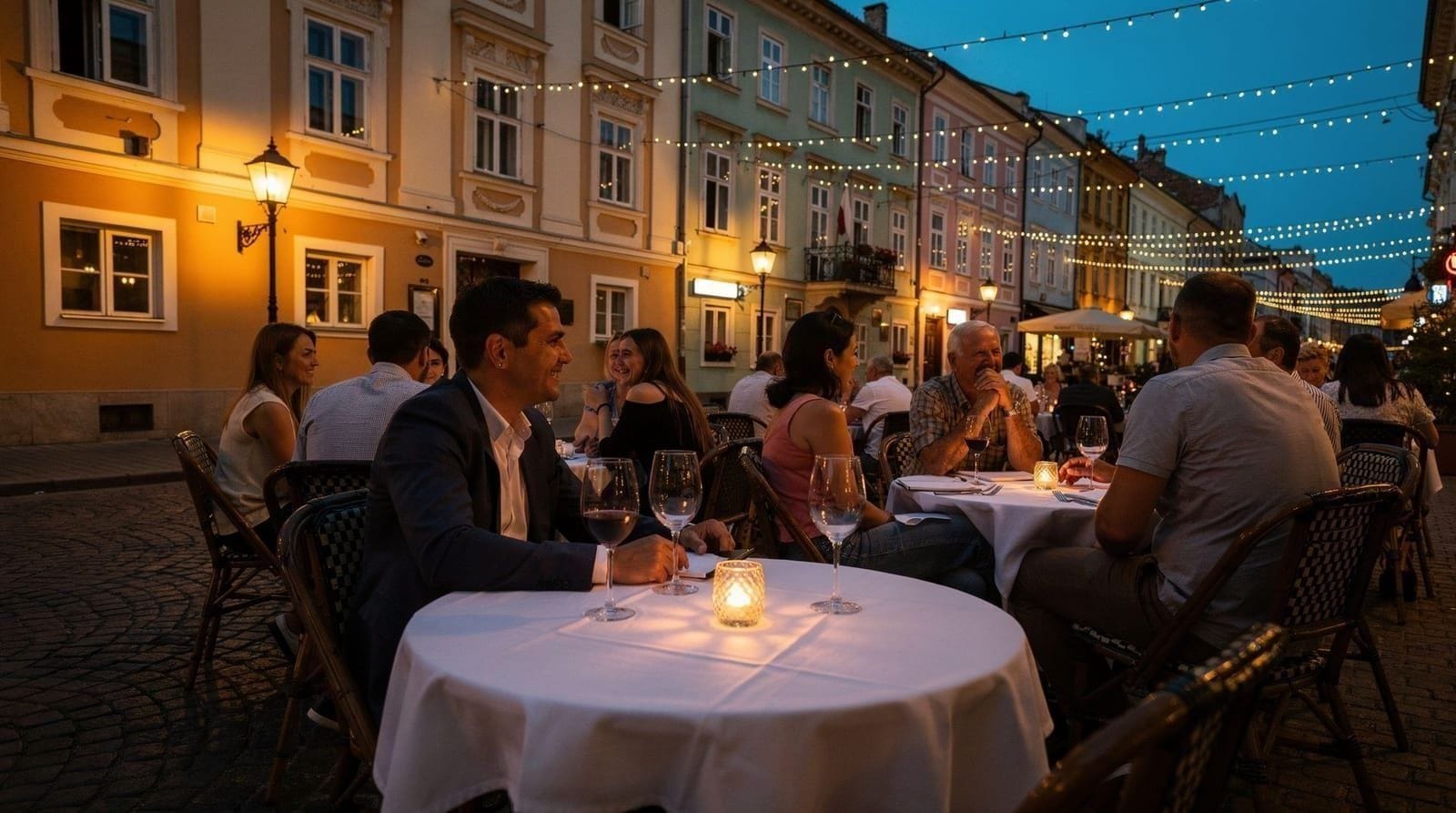
Lipscani is beautiful and worth walking through for coffee or a beer, but the restaurants here are largely optimised for tourist throughput rather than food quality. The menus are long, the prices are 30–50% higher than neighbourhood restaurants, and the cooking is often mediocre. If you want atmosphere in the Old Town, limit yourself to drinks.
Exceptions worth knowing:
Caru’ cu Bere (Strada Stavropoleos 5) is the genuine article — a 19th-century beer hall with extraordinary neo-Gothic interiors, still serving decent Romanian food. Expect 80–130 RON per person for food, more if you add drinks. Book for dinner. The sarmale and the grilled pork neck are reliable choices.
Hanu’ lui Manuc (Strada Franceză 62) is a historic inn dating to 1808, less flashy than Caru’ cu Bere but with a pleasant courtyard and honest Romanian cooking. Mains run 55–85 RON.
Floreasca and Dorobanți — where Bucharest actually eats
North of the city centre, these residential-commercial neighbourhoods have the highest concentration of restaurants where food genuinely matters. The clientele is professional Bucharesters, which keeps quality up and tourist-trap tactics down.
La Mama (multiple locations) is a national chain, which usually signals mediocrity, but La Mama has maintained consistent quality for 20 years. Think of it as the Romanian equivalent of a reliable gastropub. Mici (30 RON for five), sarmale (45 RON) and ciorba (25–35 RON) are all solid. The Dorobanți branch has a pleasant terrace.
Vatra (Strada Armenească 11) is a small neighbourhood restaurant with genuinely home-style cooking. The tocana de pui (chicken stew) and the fresh mamaliga are particularly good. Budget 70–100 RON for a full meal.
Văcărești and Timpuri Noi — the creative food district
The area around the Timpuri Noi square and the Văcărești neighbourhood has developed into Bucharest’s most interesting food district over the past decade. The buildings are ordinary, the restaurants are not.
Dianei 4 (Strada Dianei 4) is the best contemporary Romanian restaurant in the city. Chef Mihai Toader reworks traditional dishes with serious technique — expect 150–200 RON for a full meal, and reserve at least two weeks in advance. The reinterpretation of ciorba de fasole (bean soup) is worth the trip alone.
Berăria H (Piața Constituției 1) is a cavernous beer hall with a brewery on-site, serving craft beer alongside decent grilled food. The ribs and the nacre (local lamb) work well with their unfiltered lager. Budget 80–120 RON per person.
Markets worth knowing
Piața Obor (Metro Obor, Line M2) is the largest traditional market in Bucharest. Arrive on a Saturday morning for the best produce, fresh sheep’s cheese, smoked meats and homemade wine sold from plastic bottles by village producers. Nothing here is curated for tourists.
Piața Amzei (near Calea Victoriei) is smaller and more central, popular with the diplomatic quarter crowd. Fresh vegetables, artisan bread from nearby bakeries, decent flower stalls. Better for a quick lunch than for bulk shopping.
Bucharest street food you should not miss
Mici at Parcul Cișmigiu — Several permanent grills operate near the park during spring and summer. 8–12 RON per portion with bread and mustard. The cheapest hot meal in the city.
Covrigi — Ring-shaped pretzels sold from glass cases at street corners across the city. 2–4 RON each. Eat them warm with brânza (sheep’s cheese) if the vendor has it.
Langosi — Fried dough with various toppings (sour cream, jam, cheese). Found at market stalls and some street vendors. 12–18 RON.
Papanași — Fried doughnuts with sour cream and cherry jam. Not strictly street food, but available at almost every restaurant and worth ordering. 25–35 RON.
Craft beer and local drinks
Bucharest has developed a genuine craft beer scene since around 2015. The standout breweries with taprooms include:
Hophead (Calea Dorobanților) — the pioneer of Bucharest craft beer, with 12 rotating taps and a food menu that works.
Lahovari (Piața Lahovari) — natural wines and craft beer in a converted apartment building. Excellent selection of Romanian biodynamic wines.
Ground Zero (Strada Mihai Eminescu) — cocktail bar with an impressive selection of Romanian spirits including palinca (fruit brandy) and tuica.
Tuica and palinca deserve a mention. Tuica is plum brandy, palinca is double-distilled and significantly stronger (50–60% ABV). They are served as aperitifs, usually in 50ml measures. Expect 15–25 RON per shot in a decent bar.
Food tours: what they cover and what to expect
A guided food tour is genuinely worth doing in Bucharest if you only have 2–3 days, because it efficiently introduces you to dishes you might not discover independently. The best tours cover the Old Town market area, a ciorba stop, a mici grill, local cheese, and usually a wine tasting. Four hours is enough to eat eight to ten tastings without feeling overloaded.
The 4-hour Old Town food walking tour is one of the highest-rated options, covering mici, traditional desserts, local spirits and a market visit. Price around 150–200 RON per person.
For something more structured around wine and food pairing:
Romanian wine and food pairing experience covers four to five Romanian wines matched with traditional dishes including brânza, cured meats and cozonac. Best for visitors who want depth rather than breadth.
If you prefer street food over sit-down:
The walking food tour focuses on markets, street vendors and hole-in-the-wall spots that tourist-facing tours skip. About 3 hours, covering covrigi, mici, langosi and seasonal specialities.
Budget planning for food in Bucharest
| Meal type | RON | EUR |
|---|---|---|
| Street mici portion | 8–12 | €1.60–2.40 |
| Ciorba (restaurant) | 25–35 | €5–7 |
| Full lunch (local restaurant) | 45–70 | €9–14 |
| Full dinner with wine | 100–160 | €20–31 |
| Fine dining (per person) | 180–280 | €35–55 |
| Coffee (espresso) | 10–16 | €2–3.10 |
| 500ml local beer | 12–20 | €2.30–4 |
Exchange rate: approximately 1 EUR = 5.13 RON. Cards are accepted everywhere; cash is useful for markets and some street vendors.
Practical tips
Lunch is better value than dinner. Most local restaurants offer a prânz (lunch) menu of soup plus a main course for 35–50 RON that is considerably cheaper than the à la carte dinner equivalent.
Order water carefully. Saying “apă” gets you still mineral water; “apă minerală” is carbonated. Tap water in Bucharest is technically drinkable but tastes heavily chlorinated — stick to bottled.
Bread is sometimes charged separately. In some restaurants a bread basket appears automatically and is charged at 5–10 RON. You can send it back.
Smoking is still common. Many restaurants have smoking terraces, and enforcement of indoor smoking bans varies. If smoke bothers you, ask for a non-smoking section before sitting down.
For a deeper dive into where specifically to sit down for dinner, see our where to eat in Bucharest guide. For wine specifically, the Romanian wine guide covers regions, grape varieties and how to find good bottles.
Food also shapes how you plan the rest of the trip. If you are still deciding how long to stay, the how many days in Bucharest guide helps you leave room for long lunches rather than racing between sights. On a tight budget, the Bucharest on a budget guide and the daily budget breakdown show where meals fit among your other costs. And if a restaurant bill ever looks wrong, the guide to Bucharest scams explains what to watch for and how to handle it politely.
Where the neighbourhoods compare on food
| Neighbourhood | Character | Typical dinner price | Best for |
|---|---|---|---|
| Lipscani (Old Town) | Tourist-facing, historic buildings | 90–160 RON | Atmosphere at Caru’ cu Bere; drinks otherwise |
| Floreasca / Dorobanți | Where Bucharest actually eats | 60–120 RON | Consistent quality, local crowd |
| Văcărești / Timpuri Noi | Creative, contemporary Romanian | 120–200 RON | Serious food, chef-driven menus |
| Piața Obor / Piața Amzei | Traditional markets | 8–40 RON | Cheap, authentic produce and snacks |
Wine to pair with your meal
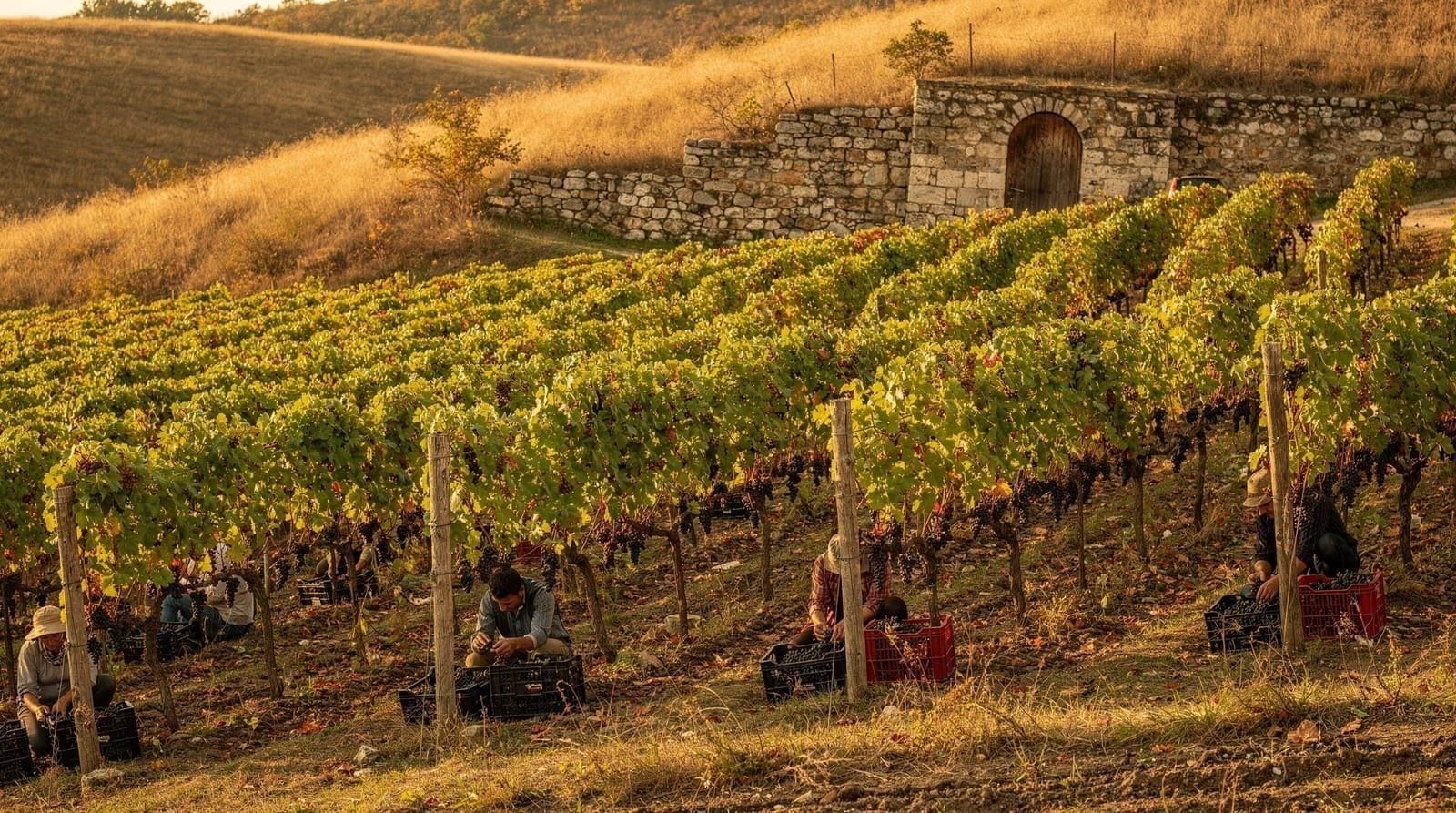
Romania is a serious wine-producing country that most visitors underestimate. The Dealu Mare region, about an hour north of Bucharest, produces the country’s best reds — Fetească Neagră (a native black grape with dark fruit and spice) and increasingly strong Cabernet Sauvignon and Merlot from the same slopes. A restaurant glass of Romanian wine runs 18–35 RON, and it is worth asking for a Fetească Neagră by name rather than defaulting to the house red. For a hands-on introduction, a Dealu Mare wine tasting day trip pairs several wineries with a proper lunch. Closer to the city, the Romanian wine guide covers grape varieties and where to buy bottles to take home.
Romanian wine and food pairing experience — a good primer before ordering wine confidently for the rest of the tripCombining a food tour with the rest of your trip
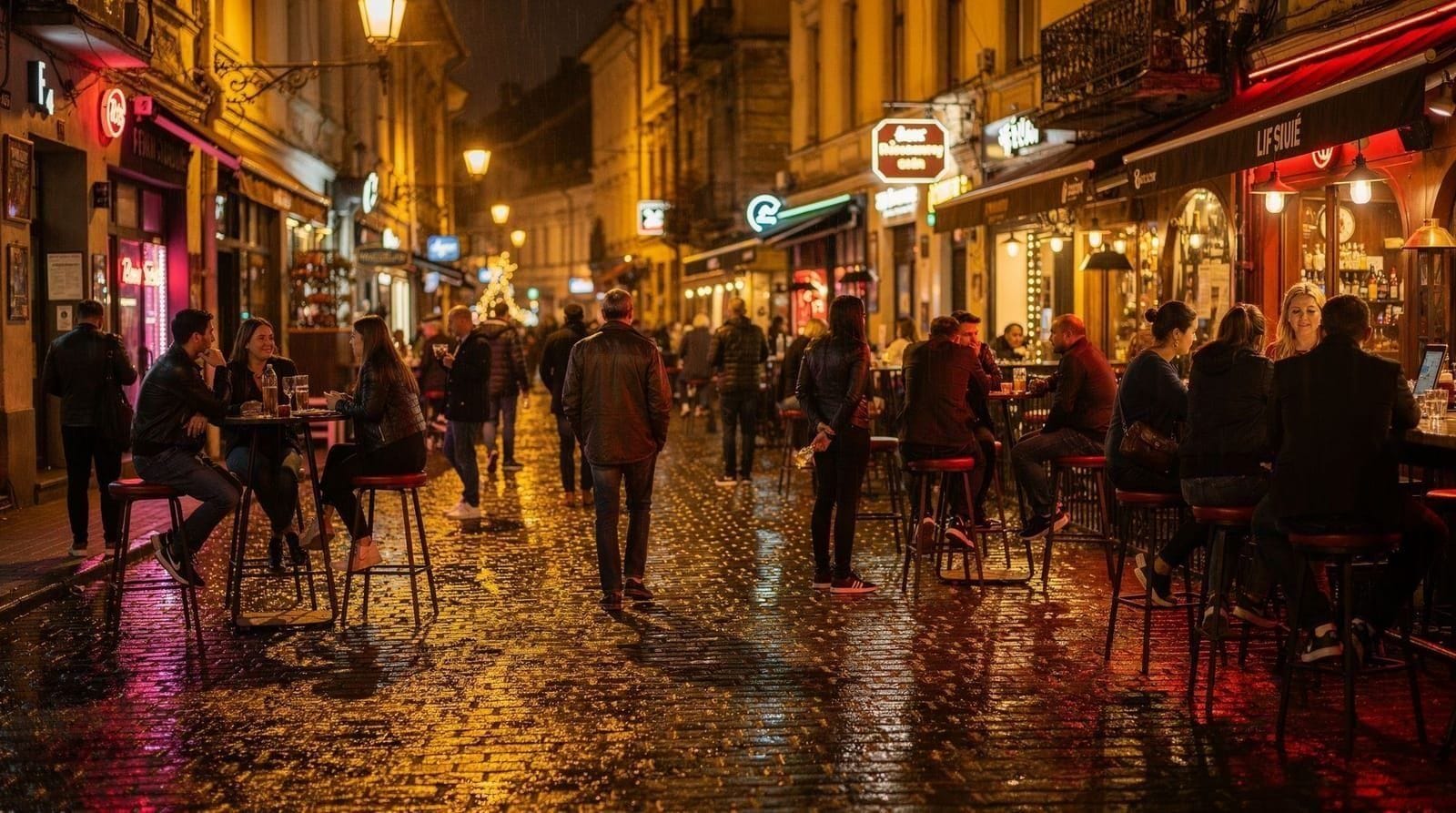
A food tour on day one or two of a Bucharest visit pays off beyond the meal itself — it orients you to dishes and price points you’ll then recognise (and order confidently) for the rest of the stay. It also pairs naturally with an Old Town walking tour covering the same streets, or with the city’s evolving nightlife scene afterward, since several of the craft beer bars mentioned above (Hophead, Lahovari) sit within walking distance of the main food districts.
Frequently asked questions about Bucharest food
What should I absolutely not leave Bucharest without eating?
Mici, eaten at a proper grill stand — not in a tourist restaurant. One portion (4–5 pieces) with mustard and a chunk of bread costs around 30 RON and takes five minutes. This is the most honest introduction to Romanian street food culture.
Are there good vegetarian or vegan restaurants in Bucharest?
Yes, more than you might expect. Bucharest has several dedicated vegan restaurants (including Origo and Nori), and most regular restaurants have post (fasting) menu options. The Orthodox fasting tradition means plant-based cooking has deep roots in Romanian food culture.
Is it worth eating at Caru’ cu Bere even though it’s touristy?
Yes, specifically for the building. The 1879 neo-Gothic interior — vaulted ceilings, stained glass, ornate woodwork — is genuinely spectacular. The food is decent if not exceptional. Go for lunch if possible (shorter queues, same interior). Book online.
Can I find international food easily in Bucharest?
Bucharest has a full range of international options including excellent Italian, Japanese (particularly sushi), Middle Eastern and Indian restaurants. The Floreasca and Aviatorilor areas have the most varied international dining scene.
What is the difference between a restaurant and a berarie in Bucharest?
A berarie (beer hall) typically serves grilled food alongside draft beer. These tend to be louder, less formal and better value than restaurants. Caru’ cu Bere is technically a berarie despite its upscale appearance.
How do I recognise a tourist-trap restaurant in Lipscani?
Long menus translated into eight languages, photos of every dish on the menu, aggressive hosting at the door (“Come in, come in, we have special today!”), prices in EUR rather than RON, no Romanians eating inside. All are reliable indicators to keep walking.
Should I tip in Bucharest restaurants?
A 10% tip is appreciated and appropriate in restaurants with table service. Some restaurants add a service charge automatically — check before adding extra. In cafes and fast casual spots, tipping is not expected.
What is the best market for food shopping in Bucharest?
Piața Obor for traditional produce and the best selection of cured meats, cheeses and seasonal vegetables. Piața Amzei for convenience if you are staying near the centre. Both are open daily, with Saturday mornings being the best time for variety.
Is Romanian wine actually good?
Yes, and it’s one of Bucharest’s more surprising strengths. The Dealu Mare region north of the city produces excellent reds, particularly from the native Fetească Neagră grape, and a growing number of Bucharest wine bars (Lahovari, several spots in Văcărești) serve serious biodynamic and natural producers. A restaurant glass runs 18–35 RON — reasonable enough to experiment across a meal.
How does Bucharest food compare to Budapest or Sofia?
Heartier and more meat-focused than Sofia’s lighter Balkan-Mediterranean style, and closer in spirit to Budapest’s hearty Central European tradition — though Romanian cuisine leans more on cabbage, pork and sour soups than Hungarian paprika-forward dishes. Prices in Bucharest are generally on par with or slightly below Budapest for comparable quality.
If you would rather pair a good meal with a cultural stop, the Village Museum guide and the Calea Victoriei guide both fit naturally around a lunch break. For more on the food-and-drink scene, see our guides to traditional Romanian dishes and Romanian wine. To plan your overall Bucharest trip, the first-time Bucharest guide covers logistics alongside food recommendations.
Top experiences
Bookable activities with verified prices and instant confirmation on GetYourGuide.