Traditional Romanian dishes: what to order and what to expect
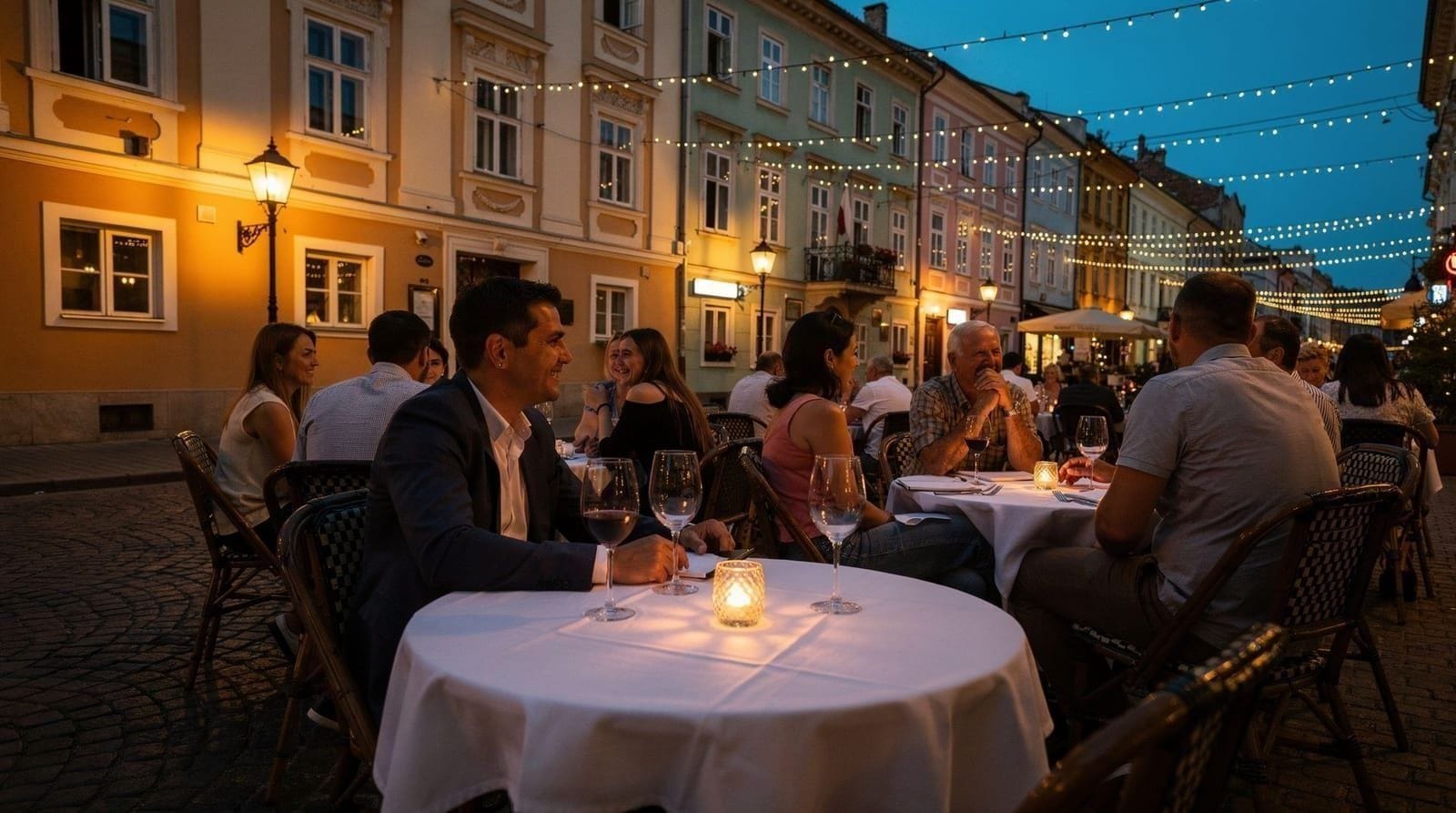
Bucharest: Evening tour and traditional dinner
What are the most iconic traditional Romanian dishes?
Mici (grilled minced-meat rolls), sarmale (stuffed cabbage rolls), ciorba (sour soups), mamaliga (polenta), papanași (fried doughnuts with sour cream and cherry jam). Most can be found at any traditional Romanian restaurant for 25–60 RON per dish.
Romanian food has strong peasant roots — built for hard winters, agricultural work and Orthodox fasting cycles. It draws from Ottoman, Balkan, Austro-Hungarian and Byzantine cooking traditions but has its own distinct character. This reference guide covers the dishes you are most likely to encounter, explains what each one actually tastes like, and gives a realistic sense of what to pay.
| Must-try dishes | Mici, sarmale, ciorba de fasole, papanași |
| Typical main course | 25–65 RON at a local restaurant |
| Where to start | A grill stand for mici, a traditional restaurant for sarmale |
| Vegetarian-friendly | Yes, via the Orthodox fasting (de post) menu |
| Best pairing | Feteasca Neagra red or a cold tuica shot |
The essential Romanian dishes
Mici (mititei)
The definitive Romanian street food. Mici (pronounced “meech”, singular “mic”) are small cylinders of minced beef, pork and lamb mixed with garlic, coriander, baking soda and sometimes cumin. They are grilled until crispy on the outside and juicy within. Served with mustard and bread. No sauce, no garnish — the seasoning is in the meat itself.
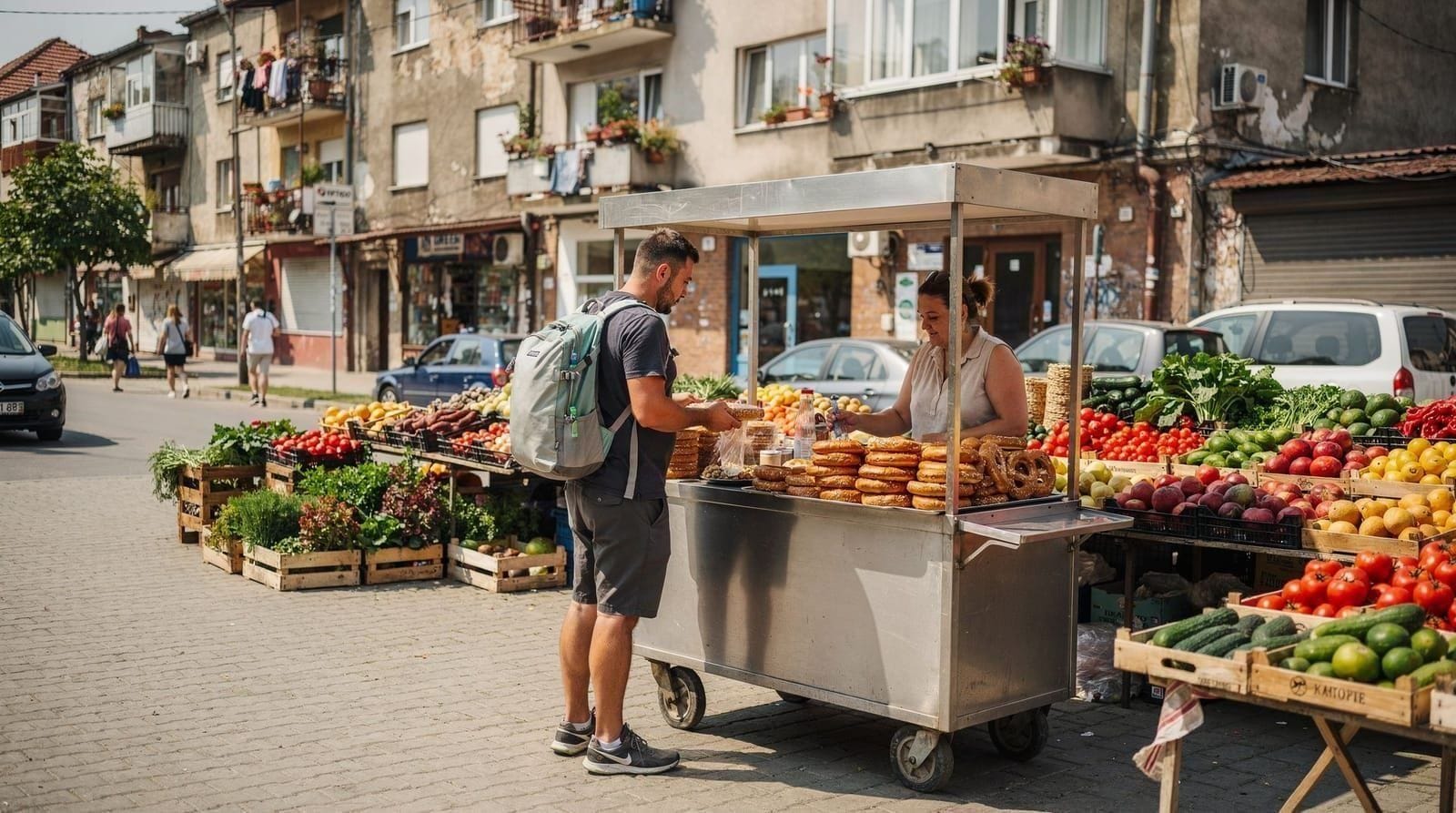
Eat them at a grill stand in a park or at a football game for the full cultural experience. In a restaurant they cost 8–14 RON each; at street stands 6–10 RON. Order at least four per person.
Where to find genuine mici: Parcul Cișmigiu grill stands (spring-autumn), Piața Obor market area, and any neighbourhood restaurant with a wood grill visible from the street.
Sarmale
The most ceremonial Romanian dish — stuffed cabbage rolls filled with minced pork, rice, onion, dill and sometimes smoked meat. The rolls are packed tightly into a pot, covered with tomato sauce and sauerkraut brine, and slow-cooked for several hours. Served with sour cream (smântână) and polenta (mamaliga).
Sarmale is the dish of celebrations — Christmas, Easter, weddings. Every Romanian family has a grandmother’s recipe they consider definitive, and every recipe is slightly different. Restaurants serve it year-round. A portion of 4–6 rolls with mamaliga costs 45–65 RON.
Quality indicator: Good sarmale have a slightly sour, smoky depth from the brine. Quick-cooked versions lack this. If the rolls are loose and falling apart, they were not properly cooked.
Ciorba
A category of sour soups that are central to Romanian eating. The sourness comes from bors (a wheat bran and water ferment), lemon juice, vinegar or sauerkraut brine. Ciorba is thicker and more substantial than a typical European soup — usually a full meal in itself when served with bread.
Key varieties:
Ciorba de burta — Tripe soup. The most famous and most divisive. Tripe (beef stomach lining) in a sour cream broth with garlic and vinegar. An acquired taste that Romanians consider a hangover cure. 28–38 RON.
Ciorba de fasole cu ciolan — Bean soup with smoked pork knuckle. One of the best Romanian dishes, period. Deep, smoky and filling. 28–35 RON.
Ciorba de legume — Vegetable soup. The accessible, vegetarian-friendly version of ciorba. Light but still sour. 22–28 RON.
Ciorba radauteana — Cream-based chicken soup from Bukovina, less sour than standard ciorba. Available in most restaurants as a gentler introduction. 28–38 RON.
Mamaliga
Polenta. Romania’s staple carbohydrate for centuries before the potato arrived. Made from yellow cornmeal cooked with water and salt until very thick. Served as an accompaniment to almost everything, particularly sarmale, stews and cheese.
Mamaliga cu brânza și smântână — Polenta with sheep’s cheese and sour cream. A standalone dish and one of the cheapest satisfying meals in Romania. 25–35 RON.
Traditional mamaliga was considered peasant food — during communist times it became synonymous with poverty (Ceaușescu’s export of food left many Romanians eating mamaliga as their primary meal). Today it is rehabilitated as comfort food, appearing on creative restaurant menus alongside its traditional contexts.
Tochitura
A pork stew — typically diced pork, sometimes with offal, cooked in a sauce of tomatoes, wine and garlic. Traditionally served over mamaliga with a fried egg on top and crumbled sheep’s cheese. Visually spectacular; intensely flavoured. 55–80 RON.
Drob de miel
A lamb offal roll — liver, lungs, heart and herbs wrapped in a caul fat net and baked. Traditionally made at Easter. Not widely available outside the Easter period but found in some specialist restaurants year-round. An acquired taste worth trying once.
Papanași
The most universally loved Romanian dessert. Fried or boiled doughnuts (the fried version is more common) served with sour cream (smântână) and sour cherry jam (dulceata de visine). The contrast of hot fried dough, cold cream and sharp jam is genuinely excellent.
Every restaurant serves papanași. Quality varies. The best versions have a light, slightly sour dough from fermented dairy; poor versions are dense and oily. Price: 25–35 RON.
Cozonac
Sweet enriched bread with walnut paste or poppy seed filling, closest in concept to a Central European Gugelhupf. Made for Christmas and Easter specifically. Available in supermarkets and bakeries during these periods at 30–80 RON per loaf depending on size and quality. The homemade versions with walnut are far better than the commercial ones.
Placinte
Filled pastries — either fried or baked. Romanian placinte come in sweet versions (apple, cherry, pumpkin) and savory (cheese, potato, spinach). Street versions at 8–15 RON are an excellent snack. The Piața Obor market area has reliable placinte vendors.
Dishes to know for specific contexts
Fasting food (mancare de post)
Romania is a majority Orthodox Christian country, and the fasting calendar (42 days before Easter, 40 before Christmas, plus Wednesdays and Fridays for observant believers) has produced a rich tradition of plant-based cooking. Many restaurants mark dishes with a leaf symbol or “de post” label.
Ciulama de ciuperci — Mushrooms in a white sauce, usually served with mamaliga. One of the best fasting dishes. 30–45 RON.
Fasole batuta — Mashed beans with caramelised onion. Served with pickled vegetables. The Romanian equivalent of hummus, more filling. 25–35 RON.
Salata de vinete — Roasted aubergine salad, roughly mashed with onion and oil. Comparable to Middle Eastern baba ghanoush but without tahini. A staple appetiser. 20–30 RON.
Grilled meats beyond mici
Frigarui — Kebabs on skewers, typically pork or chicken with vegetables. Common at outdoor grills and summer festivals.
Ceafa de porc — Grilled pork neck. Probably the most frequently ordered main course at traditional restaurants after mici. 55–80 RON.
Pastrama — Cured and smoked meat, usually from mutton or pork. Served thin-sliced as a cold appetiser. Much more intensely flavoured than Italian bresaola or Spanish cecina.
How to order like you know what you’re doing
Romanian menus are usually organised the same way: gustari (starters/appetisers), ciorbe (soups), the main course section (often split between grilled meats and stews), and desert (dessert). A realistic order for two people at a traditional restaurant is one shared appetiser (salata de vinete or fasole batuta), one ciorba each, one main course each (sarmale or tochitura are the classic picks), and one papanași to split — this typically runs 180–260 RON for two including a couple of beers or a glass of wine each.
Reading the menu for freshness signals: restaurants that change their soup or stew selection daily, or that mark dishes “de casa” (homemade) or “de post” (fasting/vegetarian), are generally more serious about traditional cooking than places with a static, photo-heavy laminated menu. The where to eat in Bucharest guide has specific restaurant recommendations organised by neighbourhood if you want a shortcut past this research.
Portion sizes and pacing: Romanian restaurant portions are large by Western European standards, and courses tend to arrive with real gaps between them rather than the rapid-fire pacing of many Western restaurants. Budget 90 minutes to two hours for a proper multi-course meal rather than treating it as a quick stop.
Regional variations worth knowing
Romanian home cooking varies noticeably by region, and Bucharest restaurants often signal which tradition they’re drawing from. Moldavian cooking (from the northeast) tends toward richer, creamier sauces and more use of smoked pork. Oltenian cooking (south) is spicier and uses more garlic and chili. Transylvanian cooking, shaped by centuries of Saxon and Hungarian influence, includes dishes like gulyas-style stews and more prominent use of paprika and caraway. If you’re continuing on to Sibiu or Brasov after Bucharest, expect the same dish names to taste noticeably different — a good reason to try mici or sarmale in both places rather than assuming Bucharest’s version is definitive.
Drinks that go with Romanian food
Tuica — Plum brandy, typically 40–45% ABV. Served as a pre-meal aperitif in small measures (50ml). Expect 15–25 RON per shot. The homemade versions (horinca or palinca in Transylvania) are stronger and better.
Romanian beer — Ursus, Ciuc and Timișoreana are the main national lagers. Serviceable rather than memorable. Craft beer options have improved significantly in Bucharest since 2015.
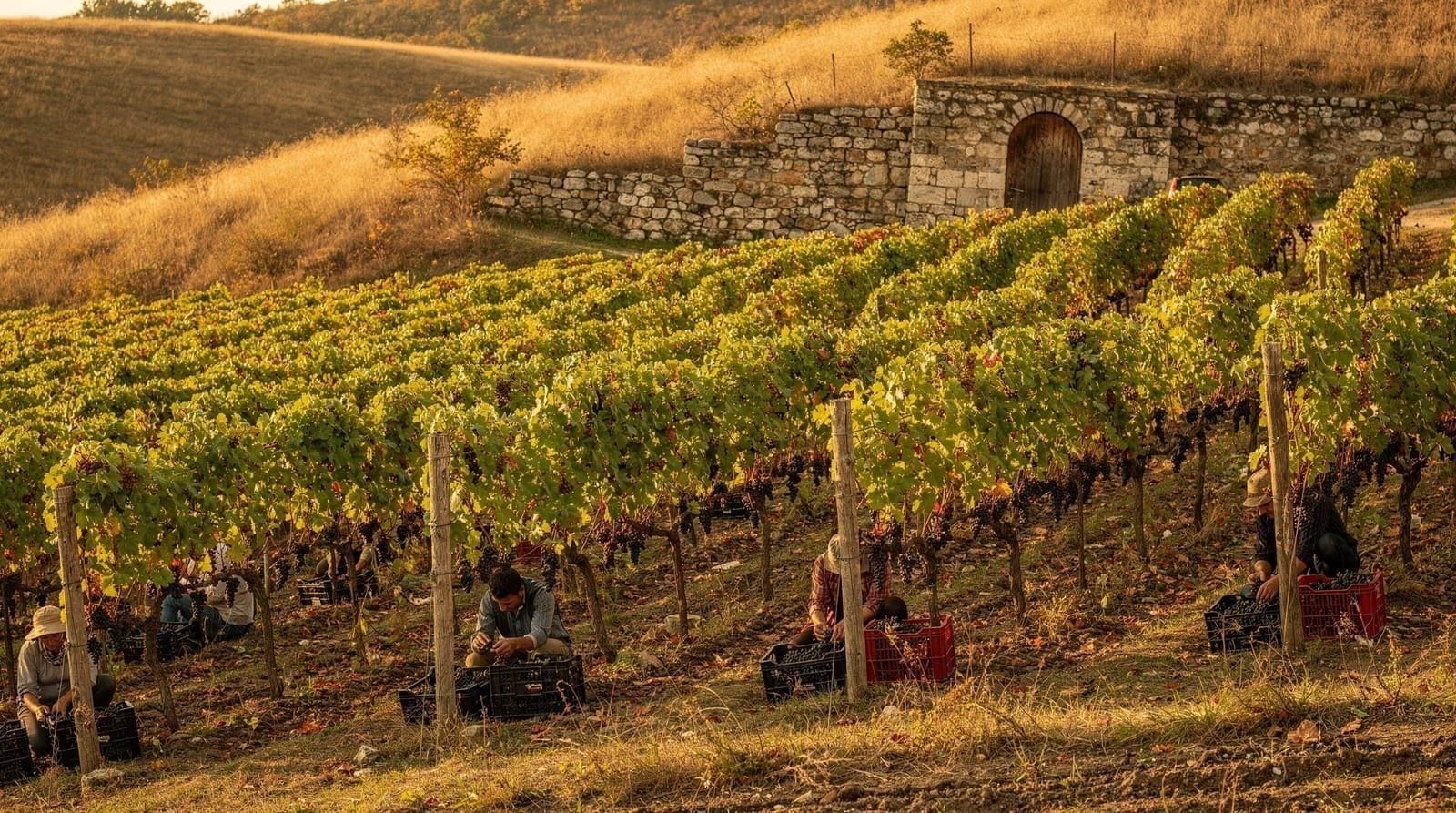
Romanian wine — See our Romanian wine guide for detail. Feteasca Neagra red or Feteasca Alba white are the safest orders at a traditional restaurant.
Lapte bătut — Buttermilk. Served cold alongside heavy dishes. An oddly satisfying pairing with sarmale.
Food experiences beyond restaurants
Evening tour with traditional Romanian dinner — A combined city sightseeing tour followed by a set dinner featuring three to four traditional courses including ciorba, sarmale or tochitura and papanași. Around 200–250 RON per person.
Traditional Romanian lunch experience — A dedicated lunch at a traditional restaurant with an English-speaking host who explains each dish and its cultural context. Good for visitors who want to understand what they are eating, not just consume it.
For those who want to do their own market research before sitting down, the tuk-tuk tour that includes the Obor market and mici tasting is worth noting:
Tuk-tuk tour with Obor market and mici tasting — A city tour by tuk-tuk that stops at the Obor market for a proper mici tasting. Combines sightseeing with food culture efficiently.
Sarmale and mămăligă are home food before they are restaurant food, and the restaurant version is usually the standardised one: a traditional Romanian cooking class is the shortest route to the version people actually make at home.
Price reference: what traditional dishes cost
| Dish | Price range (RON) | Price range (EUR) |
|---|---|---|
| Ciorba (any variety) | 25–40 | €4.90–7.80 |
| Mici (per piece) | 8–14 | €1.60–2.70 |
| Sarmale (portion, with mamaliga) | 45–65 | €8.80–12.70 |
| Tochitura | 55–80 | €10.70–15.60 |
| Papanași | 25–35 | €4.90–6.80 |
| Mamaliga cu brânza | 25–35 | €4.90–6.80 |
| Placinta (pastry) | 8–15 | €1.60–2.90 |
Exchange: approximately 1 EUR = 5.13 RON. Prices are for standard local restaurants; tourist-facing restaurants in Lipscani run 30–50% higher.
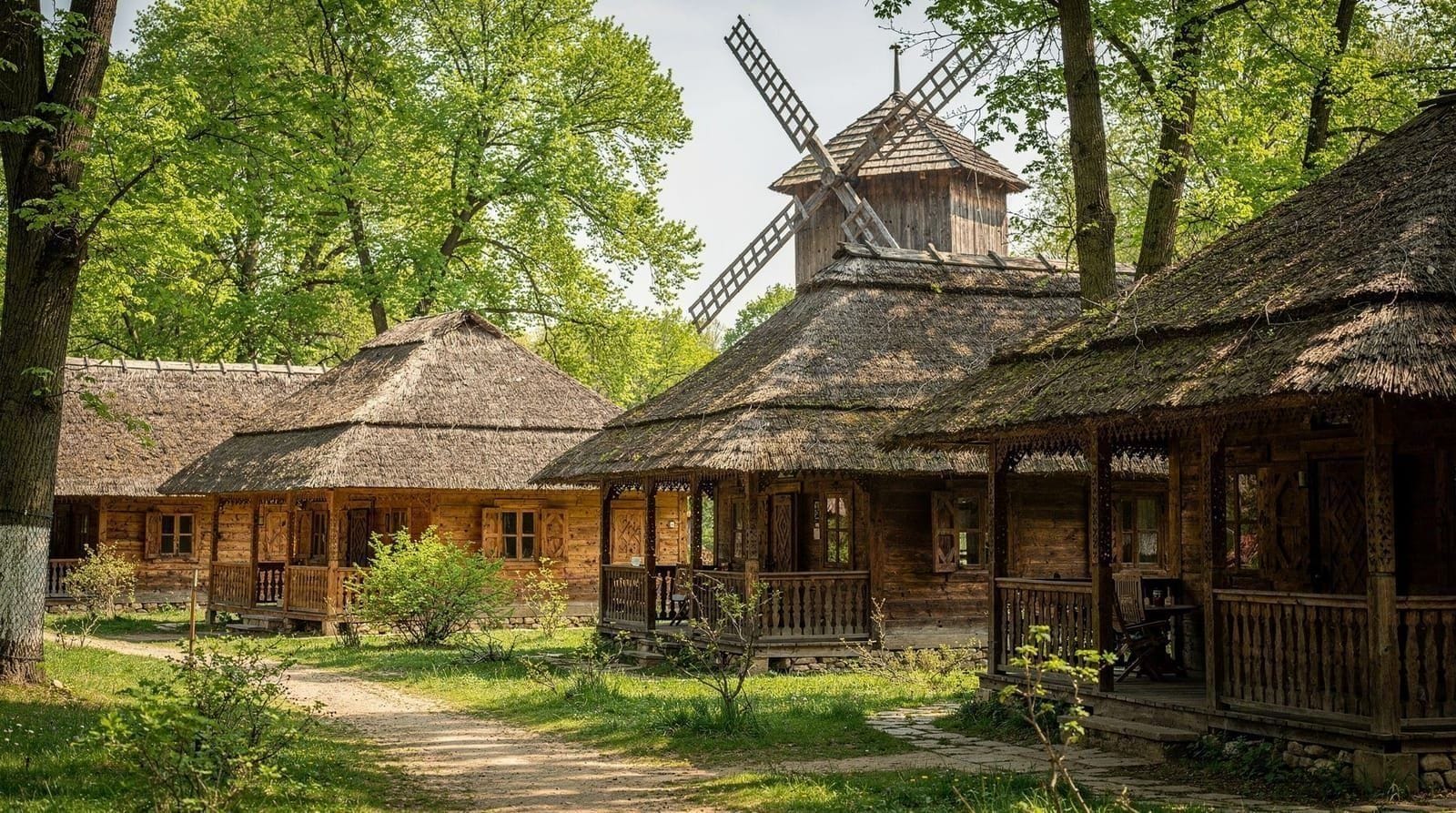
For a complete guide to eating in Bucharest including restaurant recommendations, see the Bucharest food guide and where to eat in Bucharest. The Bucharest on a budget guide has more on how to eat cheaply while eating well. If you want the food in a cultural context, the Village Museum shows the rural kitchens and wine cellars these dishes originally came from.
Frequently asked questions about traditional Romanian dishes
Is Romanian food similar to any other cuisine?
Romanian food borrows from multiple traditions. The ciorba sour soups have similarities to Turkish and Bulgarian cuisines. Sarmale appear across the Balkans (dolma in Turkish, sarma in Bosnian). The pastry tradition has Austro-Hungarian echoes. But the specific combination and the use of native ingredients (feteasca grapes, tuica, mamaliga) is distinctly Romanian.
What should I avoid if I don’t eat pork?
Romanian cuisine is pork-heavy, but chicken, lamb and veal are all widely available. Ciorba de miel (lamb soup) is excellent. The Orthodox fasting tradition means plant-based options are more common than in most meat-focused cuisines — just specify post or vegetarian when ordering.
Are portions large in Romanian restaurants?
Very large by Western European standards. Ordering a ciorba and a main course is usually sufficient for most appetites. Sharing a main course is acceptable in informal restaurants.
What is the difference between branza and cascaval?
Brânza is a general term for white sheep’s cheese, fresh and slightly salty, closest to Greek feta but less salty and often creamier. Cașcaval is a semi-hard yellow cheese, similar to edam or a mild gouda. Both appear on menus; brânza is more traditional, cașcaval is more commercial.
Where can I try Romanian food away from the tourist restaurants?
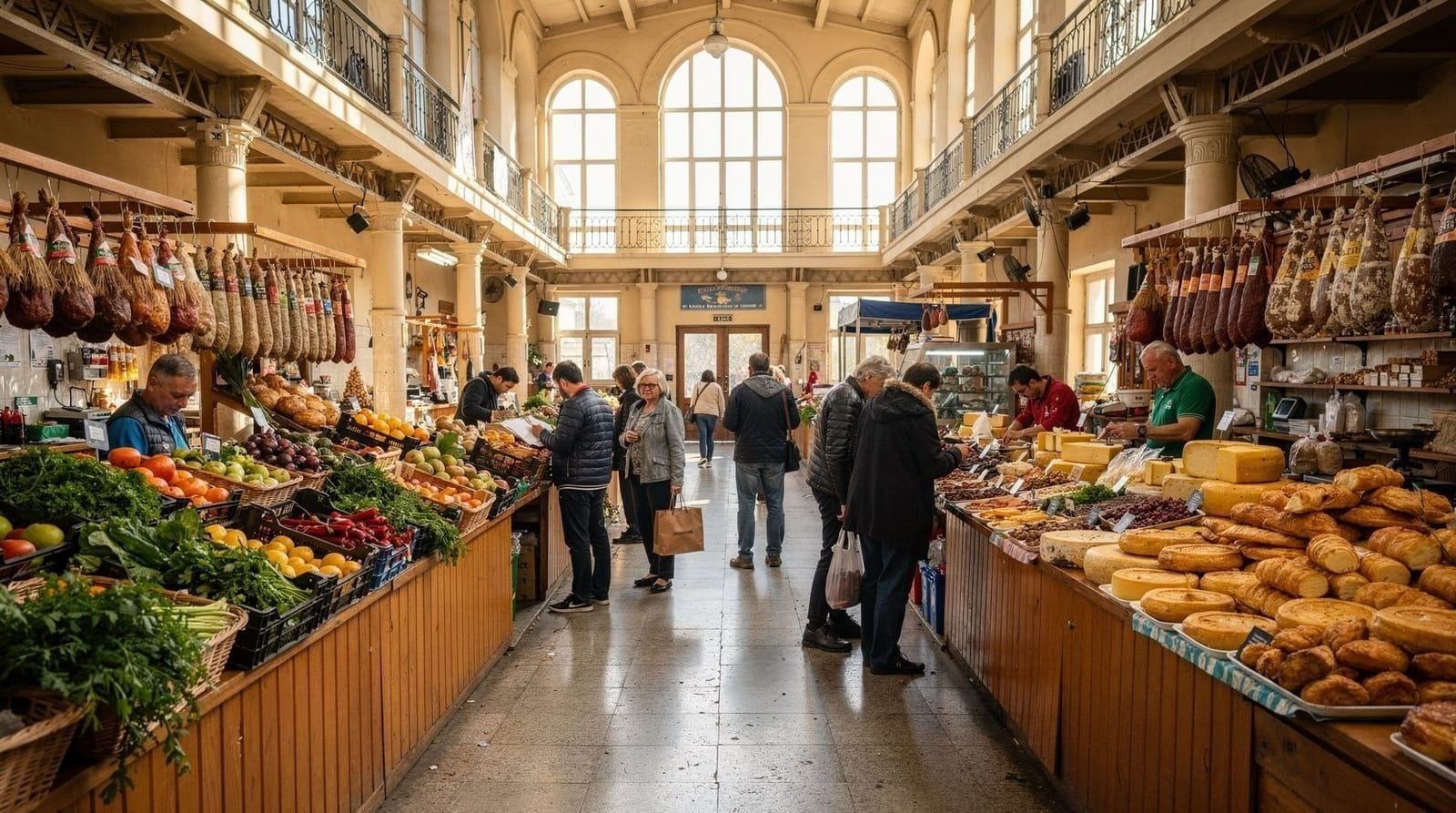
Piața Obor market has grill stands and food stalls with authentic mici and placinte at local prices. The Floreasca and Dorobanți neighbourhoods have the highest concentration of good non-touristy restaurants; see where to eat in Bucharest for specific picks. If you’re staying near Floreasca, you’re within easy walking distance of several of the best options.
Do I need to book ahead for a traditional Romanian restaurant?
For well-known spots like Caru’ cu Bere, yes, especially for dinner or weekends. Neighbourhood restaurants serving traditional food away from Old Town are usually walk-in friendly outside peak Friday/Saturday dinner hours.
Top experiences
Bookable activities with verified prices and instant confirmation on GetYourGuide.