Romanian wine guide: regions, grapes and where to taste near Bucharest
Bucharest: Exclusive dealu mare wine tasting tour
What is Romanian wine like and where can I taste it near Bucharest?
Romanian wine ranges from solid everyday drinking to genuinely excellent small-producer bottles. The Dealu Mare region, about 90 km north of Bucharest, is the most important red wine area. Organised wine tastings in Bucharest city start at around 100 RON per person; day trips to Dealu Mare wineries run 200–400 RON including transport.
| Where | Dealu Mare (80–100km north) for day trips; central Bucharest for city tastings |
| Cost | City tastings from around 100 RON; Dealu Mare day trips 200–400 RON |
| Time needed | 2 hours for a city tasting; a full day for Dealu Mare |
| Getting there | Organised tour (no practical public transport) or self-drive |
| Best time | Late September–mid October for harvest; year-round for tastings |
Romania is the ninth-largest wine producer in the world, but you would not know it from the wine lists of most European restaurants. Decades of communist collectivisation dismantled quality wine culture, and the reconstruction since 1990 has been slow and largely invisible to export markets. For a visitor in Bucharest, this is an opportunity: excellent wine at low prices, with accessible tasting experiences close to the city.
Romania’s wine regions in brief
Romania has eight demarcated wine regions, but visitors based in Bucharest will realistically access only a few.
Dealu Mare — the region to prioritise
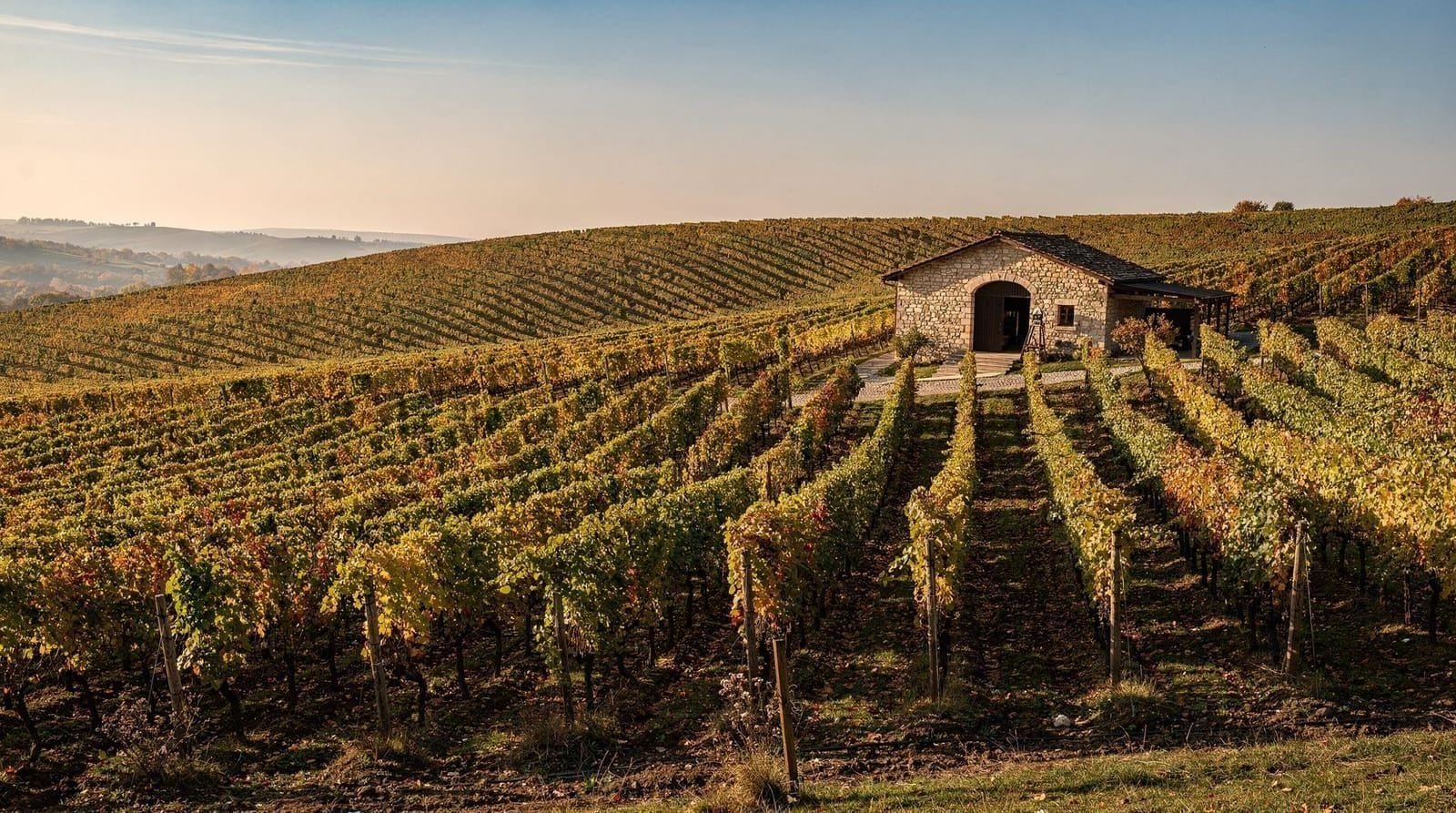
Dealu Mare (“Big Hill”) is Romania’s most celebrated red wine region, located in the Prahova Valley foothills about 80–100 km north of Bucharest. The area has clay-loam soils, warm dry summers and cold winters — conditions that suit full-bodied red varieties well. The native Fetească Neagră and international varieties like Cabernet Sauvignon, Merlot and Syrah all perform well here.
Key producers:
- Davino (Urlați): Probably the most technically accomplished winery in Romania. Their Domn Roșu (Fetească Neagră blend) and Reserva Feteasca Neagra are benchmarks for the category. Available in Bucharest at around 80–150 RON per bottle.
- Aurelia Vișinescu / Domeniile Sahateni: Another serious producer making wine at an international standard. The Doina Feteasca Neagra is particularly reliable.
- Domeniile Tohani: Larger operation but consistent quality. Their Tezaur range is the best value entry point to serious Romanian red wine at 45–70 RON.
- Budureasca: Known for accessible everyday wine at 25–45 RON, but also makes more serious single-varietal bottles.
Cotnari — for white wine lovers
In northeastern Romania (Moldavia), Cotnari is not accessible on a day trip from Bucharest but its wines are widely available in city wine shops. The region specialises in Grasă de Cotnari (a botrytis-affected sweet wine comparable to Sauternes, but often more affordable at 60–100 RON per bottle) and Tămâioasă Românească.
Murfatlar — reliable everyday wine
Near the Black Sea coast (a 3-hour drive from Bucharest), Murfatlar produces Romania’s largest volume of decent commercial wine. The Cabernet Sauvignon and Pinot Noir are consistent and available everywhere at 20–35 RON.
Drăgășani — the rising star
In Oltenia, about 200 km from Bucharest, Drăgășani is developing a serious reputation for both native white varieties and international reds. Cramele Recaș and Prince Știrbey are the producers to know. Not accessible as a day trip but worth looking for in Bucharest wine shops.
Romanian native grape varieties
Understanding a few key varieties transforms any wine tasting in Romania.
Fetească Neagră — The most important native red variety. “Feteasca” means “young woman’s” in Romanian (referring to the grape’s elegance). Dark fruit (blackberry, plum), tobacco, leather and sometimes a distinctive floral note. At its best from Dealu Mare and Drăgășani. Ages well — 10-year-old bottles from good producers are impressive.
Fetească Albă — The white counterpart: light, floral, with green apple and white flower notes. Best drunk young. The entry-level white at most Romanian restaurants, often served by the carafe at 25–35 RON per half-litre.
Fetească Regală — A 20th-century crossing of Feteasca Albă and Frâncușă. Fuller bodied than Feteasca Albă with more tropical fruit. Makes good dry white and occasional late-harvest sweet versions.
Tămâioasă Românească — An ancient variety related to Muscat. Intensely aromatic (rose water, orange blossom, honey). Usually semi-sweet, occasionally fully dry. The Tămâioasă from Murfatlar is the most widely available version. Best with cheese and desserts.
Grasă de Cotnari — Grape variety and the wine it makes. Thick-skinned, susceptible to noble rot. Produces some of Romania’s most serious sweet wines when conditions align, at 80–160 RON per half-bottle.
Wine tastings in Bucharest city
You do not need to leave the city to taste Romanian wine well. Several Bucharest operators offer structured wine experiences:
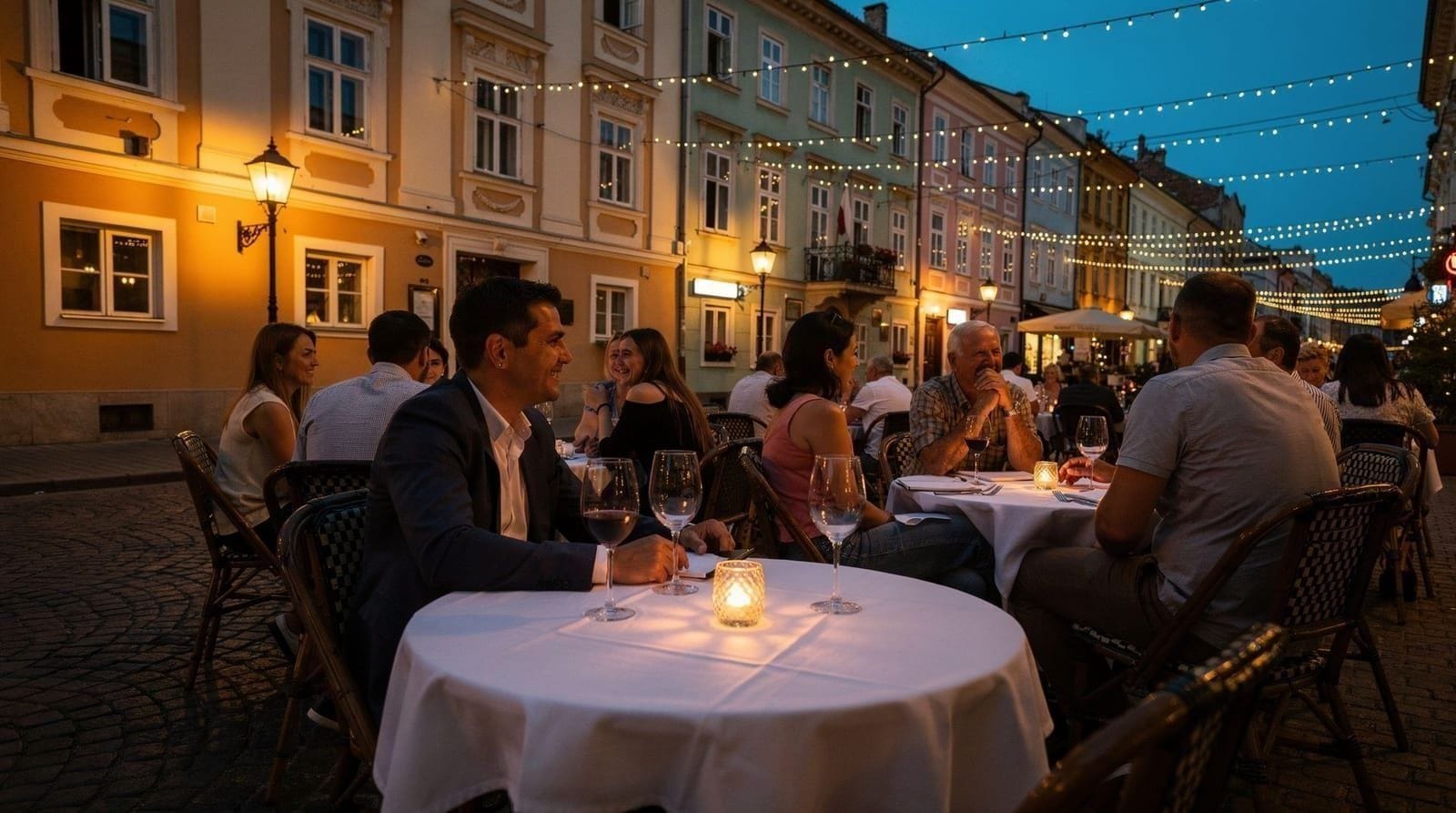
Crama Lahovari (Piața Lahovari 1) — Natural wine bar with an extensive Romanian selection. Not a formal tasting but a good place to explore with guidance from the staff. Expect to spend 100–200 RON on wines by the glass.
Vinoteca Crama Veche (Calea Victoriei 72) — Wine shop and tasting room in a cellar beneath a 19th-century building. Regular Saturday tastings at 100–150 RON per person covering four to six wines.
The Corks Wine Bar (Strada Academiei) — Relaxed wine bar focused almost entirely on Romanian wine. Good for experimenting without commitment.
For more guided experiences:
Romanian wine tasting at Corks — A structured tasting covering four to five wine styles with a Romanian wine educator. About 2 hours, 120–160 RON per person including tastings and cheese pairing.
Romanian wine tasting in a 19th-century cellar — Takes place in a historic underground cellar in central Bucharest. A more atmospheric option for an evening tasting.
Romania’s small producers rarely export, so tasting is the only realistic way to try them: a wine road day at two boutique wineries visits estates whose entire output stays inside the country.
Day trips to Dealu Mare wineries
The most rewarding way to engage with Romanian wine is to visit Dealu Mare directly. The landscape — gently rolling hills covered with vineyards, the southern Carpathians visible to the north — is genuinely beautiful in summer and autumn.
Most wineries require prior booking; simply arriving is not reliable. The easiest approach is an organised tour from Bucharest that handles logistics.
Exclusive Dealu Mare wine tasting tour from Bucharest — A full-day tour covering two wineries, a vineyard walk and four to six wine tastings with food pairing. Approximately 300–400 RON per person including transport. The wine education element is genuinely strong.
Half-day Dealu Mare wineries tour — A shorter option returning to Bucharest by early afternoon. Covers one winery with three to four tastings. Better if your time is limited.
Going independently: If you have a car (see car rental for Bucharest day trips), driving yourself gives more flexibility. The N1A road north from Bucharest through Ploiești to Urlați and Mizil passes through the heart of Dealu Mare. Davino accepts visits with advance booking (+40 244 XXX XXX — check their website for current details). Allow a full day. If you are weighing this against other day trips from the city, see best day trips from Bucharest and day trips train vs tour for how the wineries compare logistically to Sinaia or Brașov.
Pairing wine with Romanian food
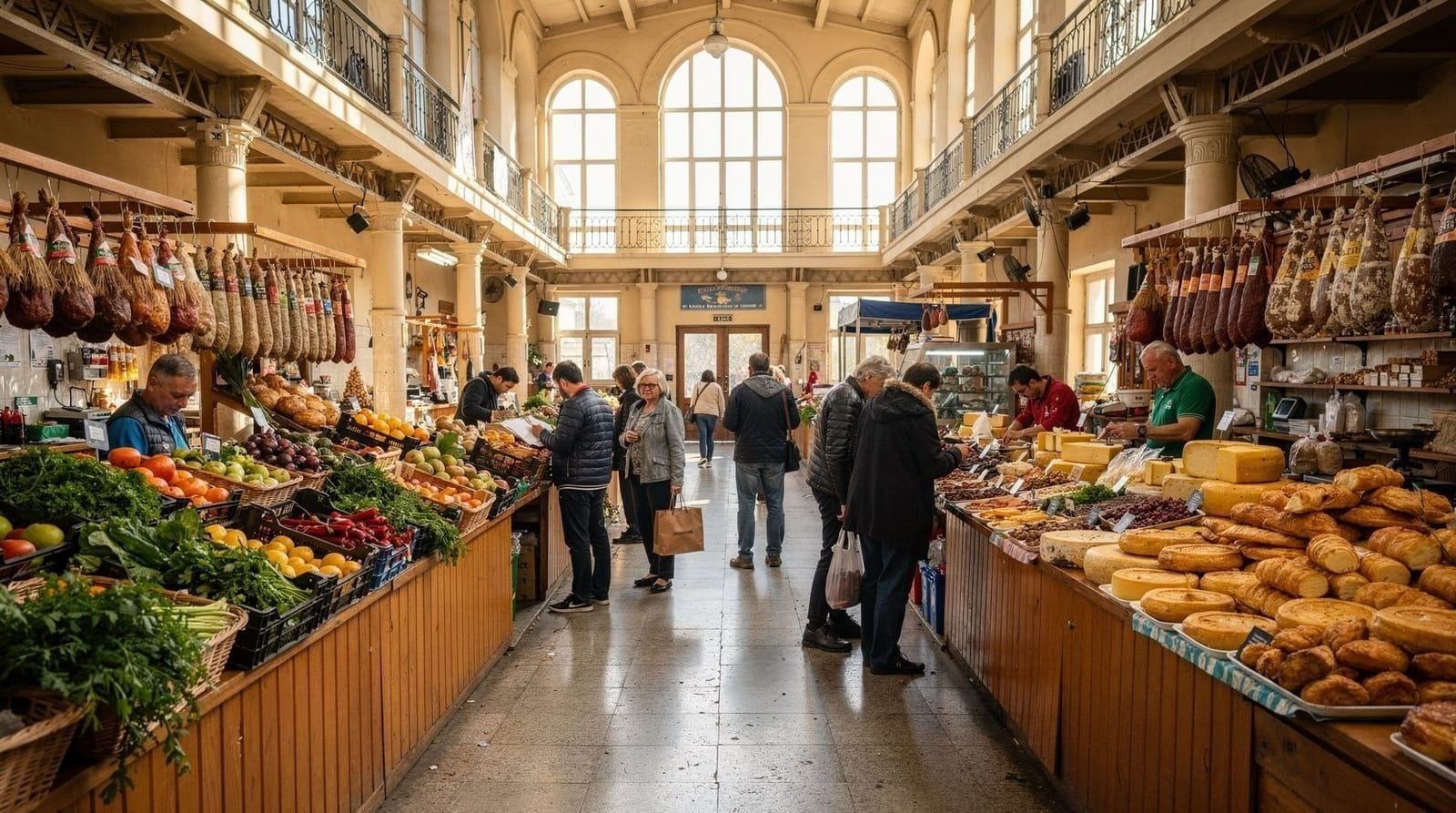
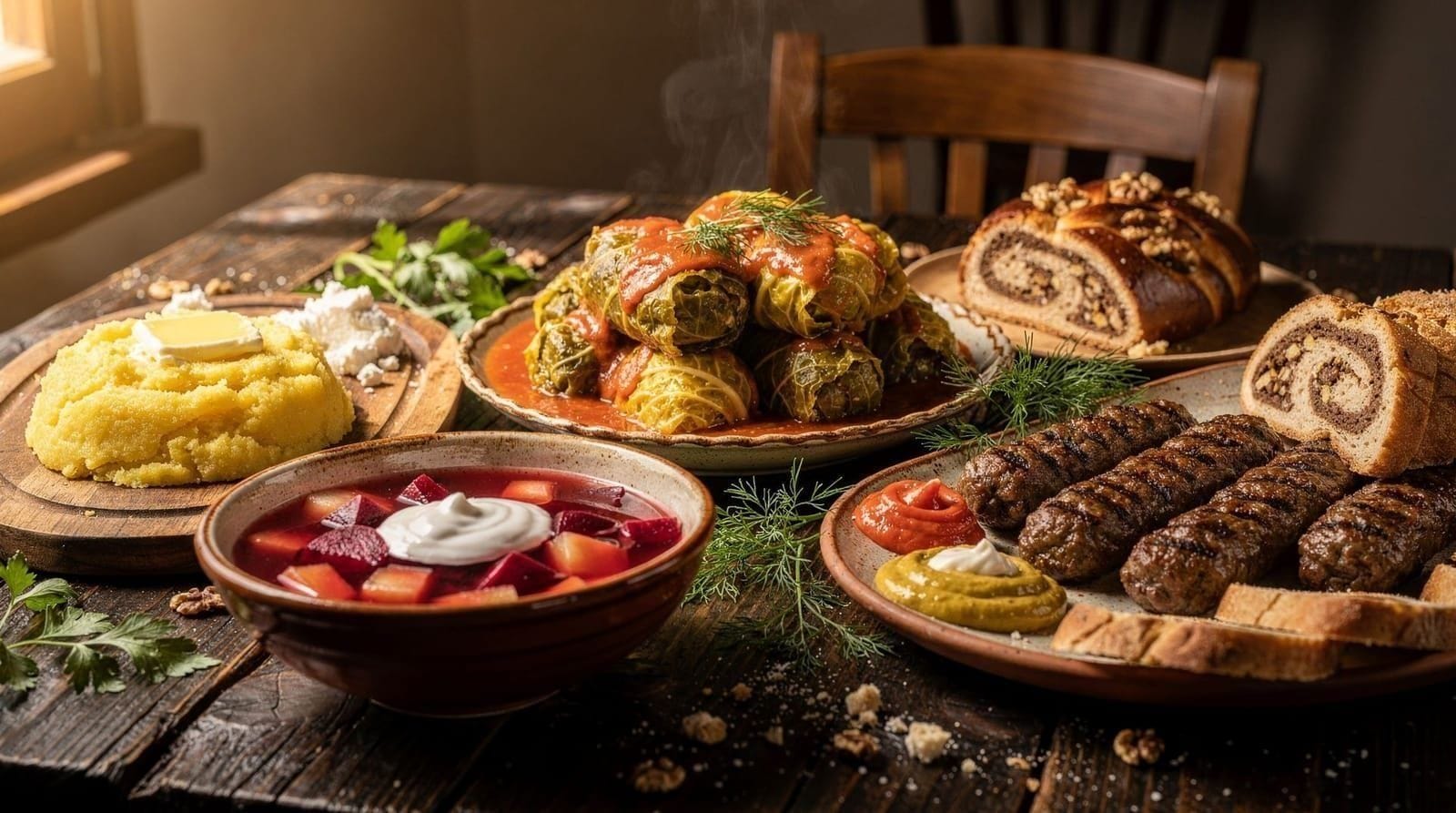
Wine tasting works best alongside a proper introduction to what it is meant to accompany. Fetească Neagră pairs naturally with the grilled and slow-cooked meats covered in the traditional Romanian dishes guide, while the aromatic whites like Tămâioasă suit the sharper cheeses found at Bucharest’s markets. For a fuller sense of where wine sits in a broader food itinerary, the Bucharest food guide is the natural companion piece to this one, and travellers tracking their overall spend should see the Bucharest daily budget guide for how a wine day trip affects a typical daily budget.
Buying Romanian wine to take home
Best wine shops in Bucharest:
- Crama Lahovari (Piața Lahovari) — Excellent natural wine selection, knowledgeable staff.
- Vinissimus (multiple locations) — Large format shop with Romania’s widest selection. Prices are fair. Good for buying cases to ship.
- La Conac (Calea Victoriei) — Emphasis on premium bottles and aged wine. Worth visiting if you want to spend 150 RON+ on a serious bottle.
What to buy: A Feteasca Neagra Rezerva from Davino or Aurelia Vișinescu makes an excellent souvenir at 100–150 RON. A bottle of Tămâioasă for an unusual aromatic experience. A half-bottle of Grasă de Cotnari if you enjoy sweet wine.
Transporting wine home: Romanian wine can be packed in checked luggage with appropriate protection. Many wine shops have cardboard carriers designed for airline travel. You can typically bring up to 12 bottles home within EU baggage rules.
Understanding price levels
Romanian wine pricing is genuinely confusing for visitors because the same bottle appears at very different prices depending on context:
| Bottle | Retail shop | Restaurant (with markup) |
|---|---|---|
| Entry-level everyday (Murfatlar) | 18–30 RON | 45–80 RON |
| Mid-range (Tohani Tezaur) | 45–70 RON | 100–160 RON |
| Serious producer (Davino Domn Ros) | 80–150 RON | 180–350 RON |
| Premium aged bottles | 150–300 RON | 400–700 RON |
Restaurant markups in Bucharest are typically 200–300% on retail. Buying from shops is considerably better value.
For restaurant recommendations where Romanian wine is taken seriously, see our where to eat in Bucharest guide. For more on the broader food context, see the Bucharest food guide. If you are planning a day trip to the wine region, the Dealu Mare destination page has more logistical detail.
Frequently asked questions about Romanian wine
Is Romanian wine good quality?
Yes, at the top level. Boutique producers like Davino, Aurelia Vișinescu and Prince Știrbey make wines that would be competitive at international tastings. The challenge is that mass-market Romanian wine (the kind served automatically in cheap restaurants) is often mediocre. The quality gap between commodity and artisan production is wide.
What is the most famous Romanian wine?
Cotnari Grasă is historically the most famous — it was served at 19th-century European royal courts. Today, Feteasca Neagra from Dealu Mare has the most international recognition among wine professionals.
Can I visit wineries without a car?
Organised tours from Bucharest are the practical alternative to driving. The wine areas around Dealu Mare are not accessible by public transport in a day-trip format. See the GYG-affiliated Dealu Mare tours above for organised options.
When is the grape harvest in Romania?
Late September to mid-October for most varieties. Visiting during harvest is the best time — many wineries offer harvest experiences. The scenery in the Prahova Valley foothills is at its best with autumn colour and active harvest activity.
Do I need to book Dealu Mare wineries in advance?
Yes, almost always. Most Dealu Mare producers, including Davino, do not accept unannounced walk-ins — book a visit slot ahead of time or use an organised tour that has existing arrangements with the wineries. Turning up without a booking is the single most common way independent visitors are turned away.
Top experiences
Bookable activities with verified prices and instant confirmation on GetYourGuide.