Romania highlights — 7-day Bucharest to Transylvania itinerary
Bucharest: Excursion to Dracula's castle with lunch included
Seven days gives you enough time to understand Romania rather than just photograph it. This itinerary takes you from Bucharest’s communist monuments to the medieval Saxon cities of Transylvania — a journey through Romanian identity that spans Roman settlements, Ottoman influence, Habsburg architecture, and Ceaușescu’s megalomania.
The route: Bucharest (2 nights) → Brașov base (2 nights) → Sibiu (1 night) → Sighișoara (1 night) → return or onward.
| Where | Bucharest, Brașov, Sibiu, Sighișoara |
| Cost | Around 500–700 RON/day per person |
| Time needed | 7 days, car recommended |
| Getting there | Fly into Henri Coandă (OTP), hire car |
| Best time | May–June or September–October |
Why this specific route
The Bucharest → Brașov → Sibiu → Sighișoara axis is the most rewarding way to see southern Transylvania in a week. Each city has a distinct character: Bucharest is urban, complex and post-communist; Brașov is a medieval German fortified city that feels Central European; Sibiu is more refined and better preserved; Sighișoara is the most intact medieval citadel in the region.
The route works best with a hire car. Trains cover Bucharest → Brașov adequately; Sibiu requires a change; Sighișoara is on the Brașov–Cluj line. A car gives you the flexibility to stop at castles and viewpoints between the cities.
Budget snapshot: 500–700 RON/day per person covering accommodation, meals, entry fees and car costs. Sibiu is generally cheaper than Brașov; accommodation in Sighișoara can be simple but atmospheric.
Seven days at a glance
| Day | Focus | Overnight |
|---|---|---|
| Day 1 | Bucharest arrival | Bucharest |
| Day 2 | Palace of Parliament & communist heritage | Bucharest |
| Day 3 | Sinaia, Peleș, drive to Brașov | Brașov |
| Day 4 | Brașov & Râșnov | Brașov |
| Day 5 | Drive to Sibiu (via Viscri) | Sibiu |
| Day 6 | Sibiu, drive to Sighișoara | Sighișoara |
| Day 7 | Sighișoara & return | — |
Day 1: Arrival in Bucharest
Fly into Henri Coandă Airport (OTP). Train to Gara de Nord (20–25 min, 6 RON) or Bolt (80–100 RON to central Bucharest). Check into your hotel near Piața Romană or Floreasca.
Afternoon: First look at Bucharest
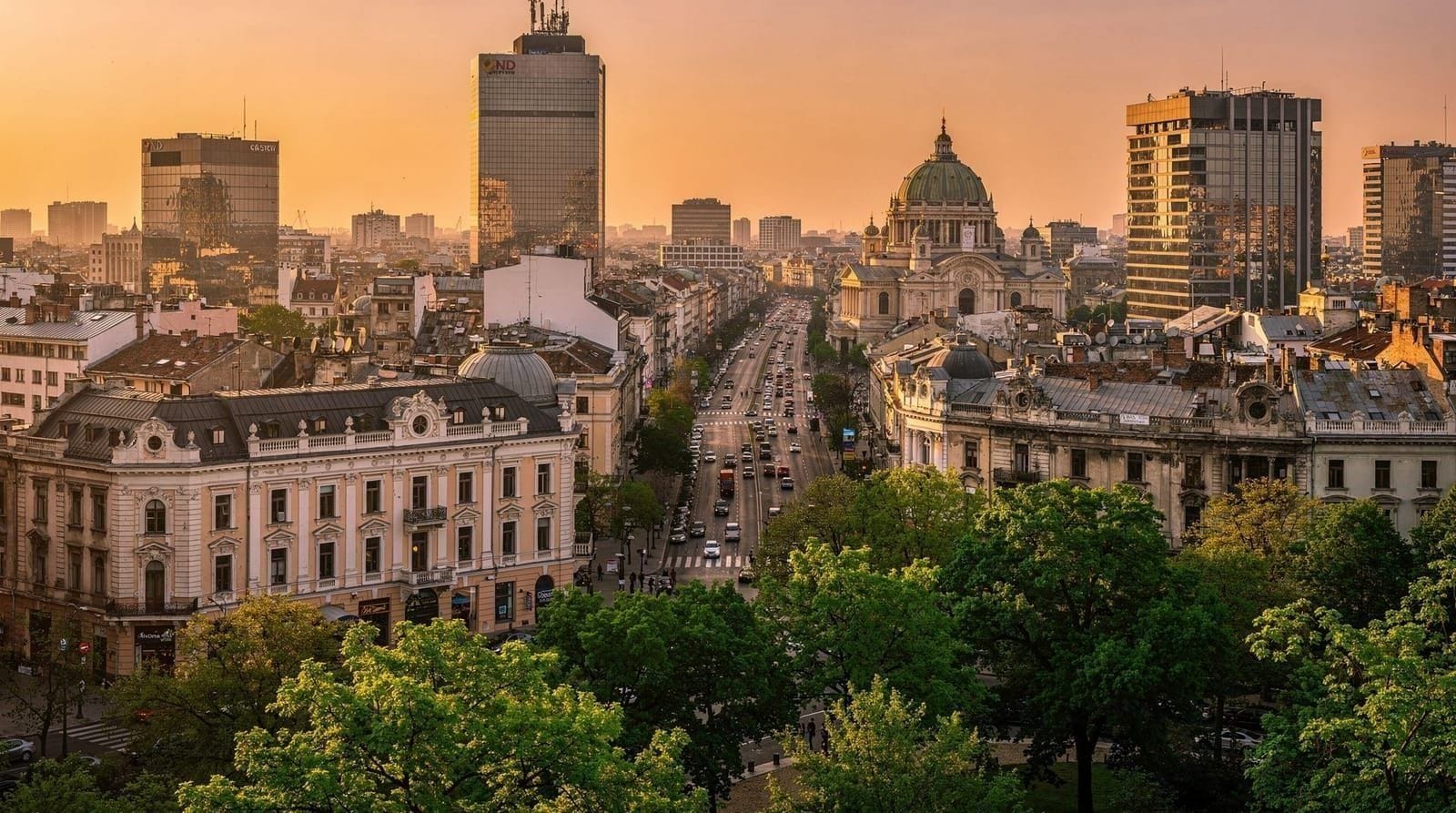
Walk from Piața Universității through the Old Town — Stavropoleos Church, the 12th-century court ruins, Hanul lui Manuc — then north up Calea Victoriei to the Calea Victoriei guide corridor. This 90-minute walk gives you the essential urban spine without trying to see everything.
For dinner, the best restaurants in Bucharest are concentrated in Floreasca and around Piața Romană. Lacrimi și Sfinți and Berăria H are both reliable and unfussy.
Day 2: Bucharest — Palace of Parliament and communist heritage
Morning: Palace of Parliament
Visit the Palace of Parliament (tickets are sold on site only, 85 RON adult; bring your original ID or passport). Read Ceaușescu’s Bucharest the night before for context.
Afternoon: Full-day communist tour
The full-day communist Bucharest experience covers the Ceaușescu mansion at Primăverii, the Casa Radio, the Victory of Socialism Boulevard axis, and the 1989 revolution sites — a comprehensive version of what most visitors get in fragments. 6 hours, 200–280 RON.
Evening: Old Town for dinner
One evening in Lipscani is worth it for the atmosphere. Choose restaurants with indoor seating and visible menus — avoid terrace aggressive-seating, which is the first step of the Old Town bar scam.
Day 3: Drive Bucharest → Sinaia → Brașov (Prahova Valley route)
Morning: Sinaia and Peleș Castle
Pick up your hire car and drive north on the A3 motorway (about 1h30 to Sinaia). Stop in Sinaia for Peleș Castle — the most extraordinary royal residence in Eastern Europe, 160 rooms in German neo-Renaissance style (100 RON adult ticket; closed Monday and Tuesday; tickets online at bilete.peles.ro).
The Sinaia destination page and Peleș Castle guide cover logistics. Add Pelișor (30 RON) if time allows — Queen Marie’s personal residence, Art Nouveau style, significantly less crowded.
Afternoon: Bran Castle (optional detour)
If castles are your primary interest, detour west from Sinaia to Bran Castle (70km, 1h10) before heading to Brașov. Entry is from about 40 RON (exact price on bran-castle.com). The Bran Castle guide explains the Dracula marketing vs historical reality.
Late afternoon: Brașov
Arrive in Brașov by 17:00. Check into your hotel — the Old Town has excellent accommodation at 200–350 RON/night. Walk Piața Sfatului and the Black Church in the evening light.
Day 4: Brașov and surroundings
Morning: Brașov in depth
Brașov is a German-founded medieval city (founded 1211 by Teutonic Knights) with a well-preserved Saxon core. The Black Church (15 RON) is the largest Gothic church in Romania — built 1385–1477, damaged in the great fire of 1689, rebuilt with Turkish carpets donated as tribute. Climb Tampa Mountain (cable car 30 RON, or 45-min hike) for the city panorama.
The Schei neighbourhood — historically the Romanian quarter outside the Saxon city walls — has the first Romanian-language school (1495) and a small but fascinating local history museum.
Afternoon: Râșnov Fortress and surroundings
Râșnov Fortress (25 RON, 15 min drive from Brașov) is a medieval citadel on a hilltop with exceptional valley views. Viscri village (50km east, 70 min drive) is the most atmospheric Saxon village in Transylvania — fortified church, coloured farmhouses, minimal tourists before midday. Plan Viscri for a morning arrival.
Evening: Brașov restaurants
The Brașov to Sighișoara and Viscri day tour covers both Viscri and Sighișoara if you want a guided version of these stops — useful if you don’t have a car and want to see the Saxon countryside efficiently.
Day 5: Drive Brașov → Sibiu
Morning: Viscri (if not done on Day 4)
Start the Brașov → Sibiu drive (150km, 2h direct on the Transylvanian motorway) with a Viscri detour if you haven’t done it. The Viscri destination page covers the fortified church and the village atmosphere.
Afternoon: Sibiu arrival and exploration
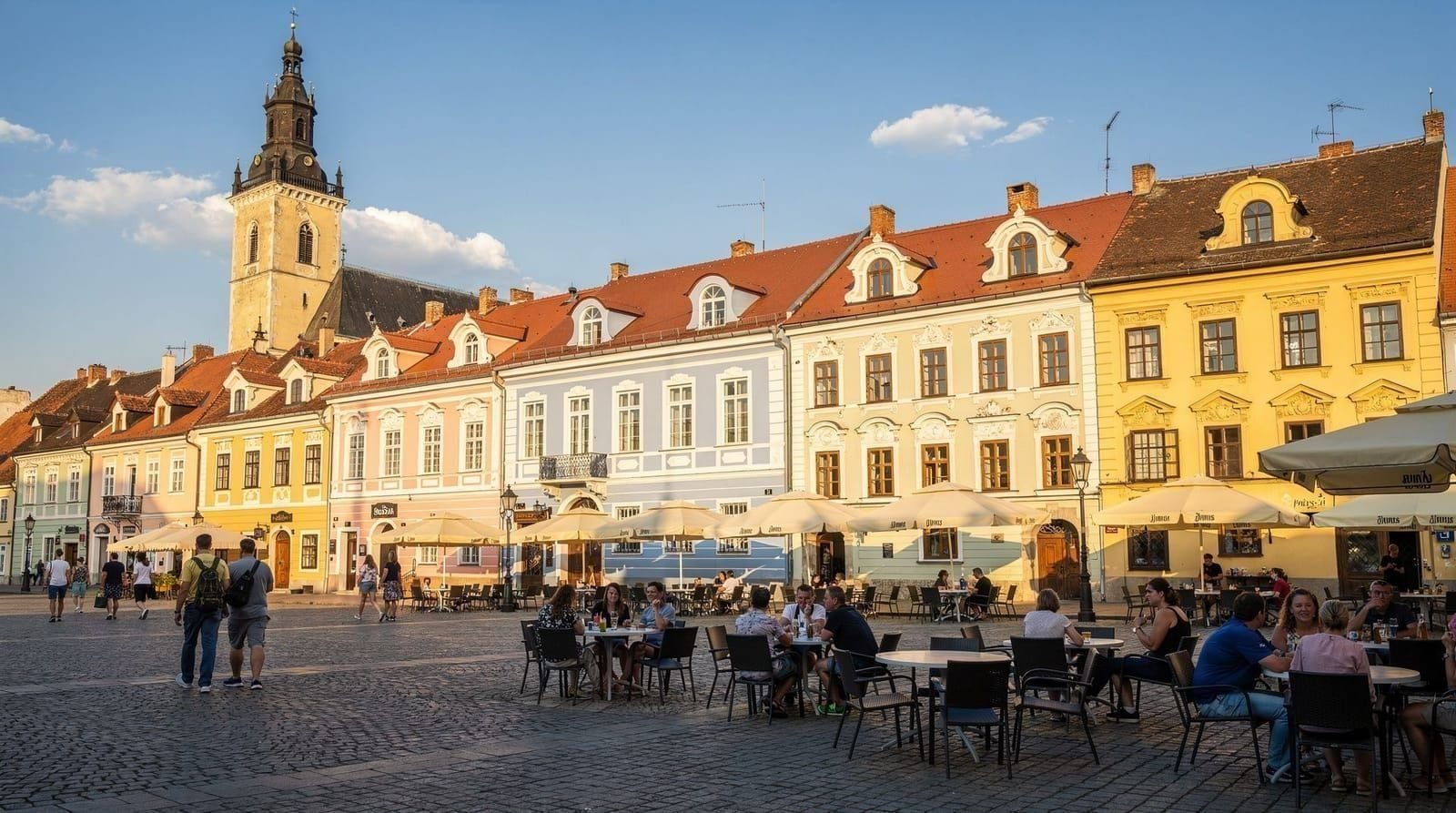
Sibiu is the most architecturally complete medieval city in Transylvania — a compact historic centre with two main squares connected by a covered staircase, and an extraordinary collection of Baroque and Gothic facades. Unlike Brașov, Sibiu’s tourist infrastructure feels more refined and less rushed.
Piața Mare and Piața Mică — the large and small squares — are connected by the Passage of the Stairs and overlooked by roofline windows that resemble faces (locally called “the eyes of Sibiu”). The Brukenthal Museum (national art museum, in a Baroque palace, 30 RON) is excellent.
A guided Sibiu sightseeing tour is worth it if you want the two squares, the Passage of the Stairs and the Brukenthal collection explained by a local guide rather than self-navigated in your one full evening here.
Evening: Dinner in Sibiu
Sibiu’s restaurant scene is consistently good — Vatra Sibiului for traditional Romanian, Crama Sibiul Vechi for wine and regional food in a historic cellar. Prices are 15–20% lower than Brașov for equivalent quality.
Day 6: Sibiu and drive to Sighișoara
Morning: Sibiu in depth
The Astra Open-Air Museum (20 min drive from centre, 35 RON) is a vast outdoor museum of traditional Romanian architecture — more comprehensive than Bucharest’s Village Museum and set in a lake landscape. Allow 2–3 hours.
The Sibiu ASTRA museum complex includes a textile museum and a hunting museum in the city centre — good for bad-weather hours.
Afternoon: Drive to Sighișoara (85km, 1h15)
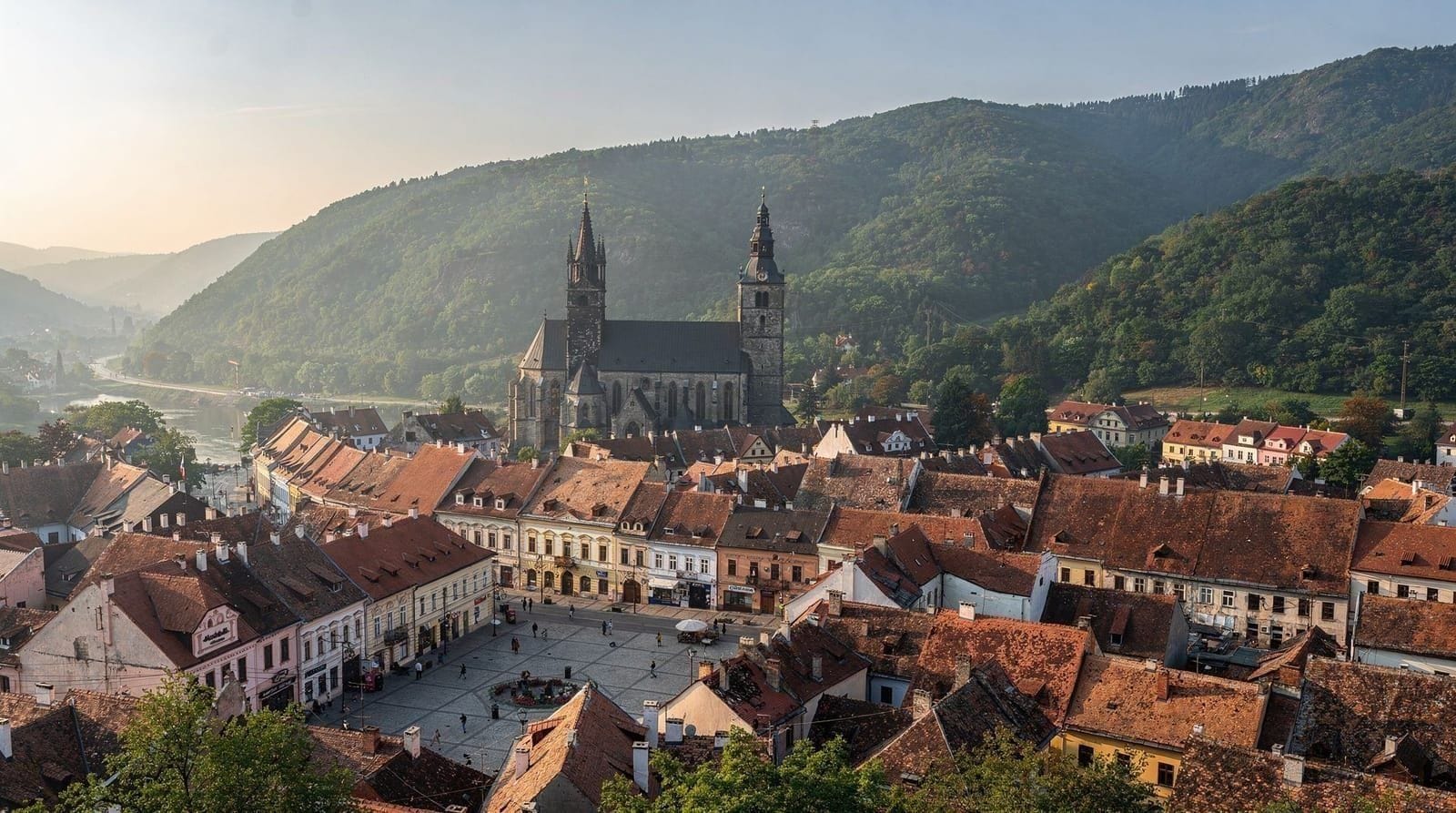
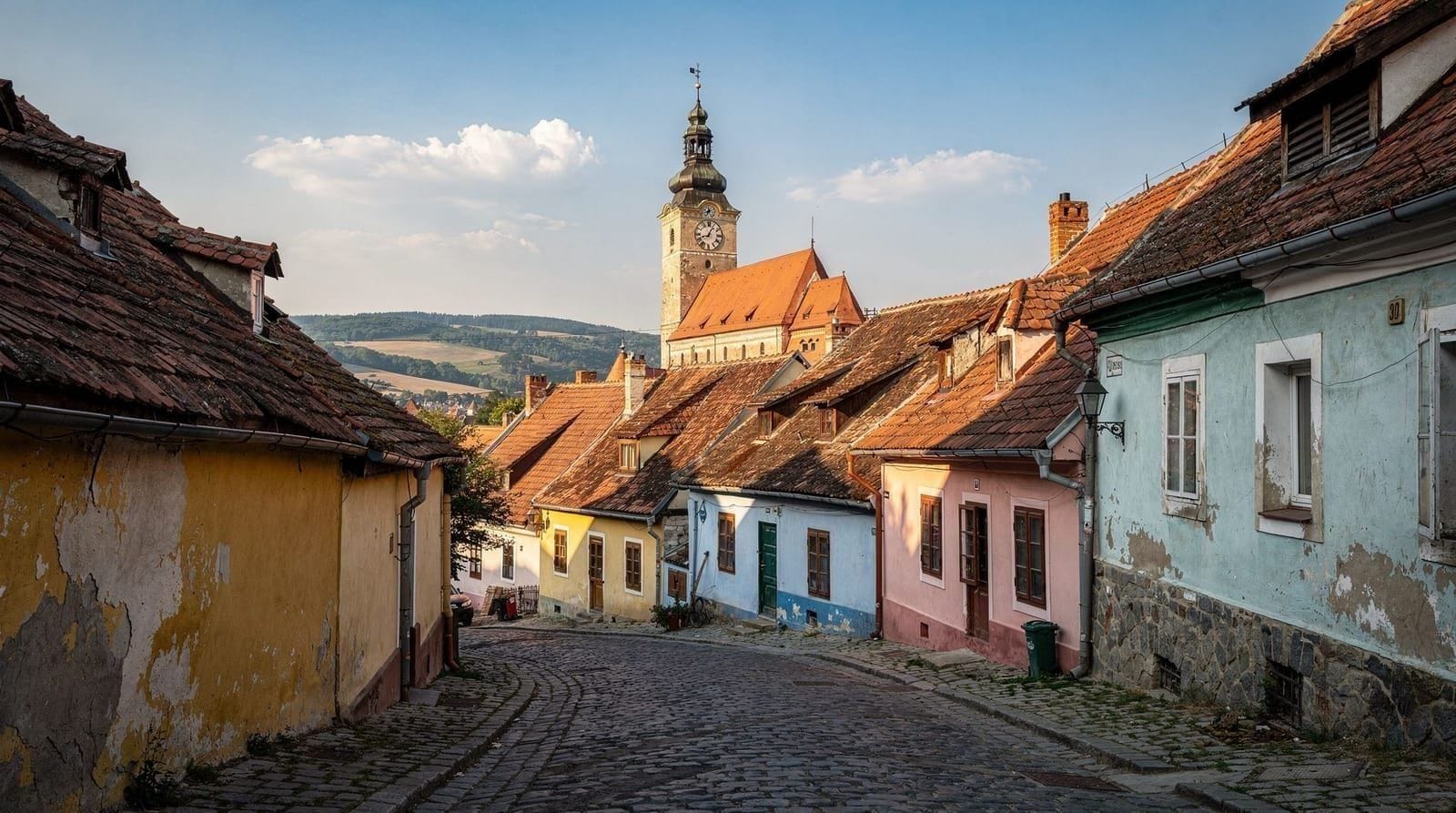
Sighișoara is the best-preserved inhabited medieval citadel in Europe. The Clock Tower (15 RON) and the Church on the Hill at the top of the covered staircase are the essentials. Vlad Țepeș was born here in 1431 — his birthplace on Str. Cositorarilor is now a restaurant (somewhat kitschy, worth a look from the outside).
Sighișoara is best appreciated early morning and late evening, when day-trippers from Brașov and Sibiu have gone. Stay overnight in the citadel if possible — guesthouses charge 150–250 RON/night and the experience of being in the citadel after dark is worth the price.
Day 7: Sighișoara and return
Morning: Sighișoara at your own pace
With an early start you have the Citadel largely to yourself. Climb the Scholars’ Stairs (wooden covered staircase, built 1642), visit the Church on the Hill (10 RON), explore Strada Bastionului. The craft shops in the Citadel are notably less kitsch than Bran’s market stalls — local ceramics and textiles are available from independent artisans.
Afternoon: Return options
Return to Bucharest: Drive south via Brașov (total 320km, approximately 3h30). This works if you have a late-night flight.
Extend to Cluj-Napoca: Sighișoara → Cluj-Napoca is 100km (1h15). Cluj is Transylvania’s student capital — modern, lively, and worth adding if your flight permits. Return Bucharest → Cluj flights take 1 hour if needed.
Optional: Transfăgărășan detour (usually from June or July to October depending on snow; dates announced yearly by CNAIR): From Sibiu you can access the Transfăgărășan Road north end — a spectacular alternative return to Bucharest that adds 3h driving but passes through Transfăgărășan scenery. See the Transfăgărășan guide.
Practical notes for 7 days in Romania
Getting between cities: Car is the most flexible. Trains: Bucharest → Brașov (2h30), Brașov → Sibiu (2h20, sometimes with a change), Sibiu → Sighișoara (1h30). All train bookings at CFR Calatori (cfrcalatori.ro).
Language: Romanian is the language throughout. In Transylvania, German and Hungarian are co-official in some areas and widely understood. English is spoken in tourist contexts in all four cities.
Money: RON throughout. EUR is sometimes accepted at tourist venues but at unfavourable rates. See Bucharest daily budget for cost planning.
Shortening or lengthening this route
If seven days isn’t available, the Bucharest and Transylvania 5-day itinerary covers the Bucharest–Sinaia–Bran–Brașov core of this route and drops Sibiu and Sighișoara. Going further, this itinerary’s own Day 7 notes the option of extending to Cluj-Napoca — a natural next step if you have extra days and want to see where Transylvania’s biggest modern city fits against the medieval towns you’ve just visited.
For travellers more interested in mountains than Saxon architecture, the Bucharest and the Carpathians 4-day itinerary swaps Sibiu and Sighișoara for the Transfăgărășan Road — a genuinely different trip built around the same starting city.
Driving distances and road quality
Romania’s motorway network covers Bucharest–Ploiești well but thins out beyond it — the Brașov–Sibiu and Sibiu–Sighișoara legs run on national roads (DN1) rather than motorway, meaning journey times can run longer than distance alone suggests, especially behind slower agricultural traffic in rural stretches. Build in a buffer rather than assuming Google Maps’ fastest-route estimate on travel days.
Frequently asked questions about this 7-day Romania itinerary
Is 7 days enough to see Romania?
Seven days covers the core of southern Romania and Transylvania comfortably. You’ll miss the Danube Delta, northern Transylvania (Maramureș), Moldavia (painted monasteries) and the Black Sea coast — all of which would require additional time. For a first trip, 7 days is ideal: substantial without exhausting.
Should I fly into Bucharest or Brașov?
Bucharest (OTP) has the most international connections by far. There is no commercial airport in Brașov (one is planned but not yet operational as of 2026). Cluj-Napoca (CLJ) is an alternative for starting from the Transylvania end, but connections are fewer and fares typically higher.
What’s the best season for this itinerary?
May–June and September–October offer the best combination: pleasant temperatures, good light, smaller crowds than July–August. Summer (July–August) is hot in Bucharest but comfortable in Transylvania. The best time to visit Bucharest guide has a month-by-month breakdown.
Do I need a visa for Romania?
Romania is Schengen (joined January 2025). EU, US, UK, Australian and Canadian citizens are visa-free for up to 90 days. ETIAS (European Travel Information and Authorization System) was expected to roll out in late 2026 for non-EU nationalities — check current status before travel.
Is a week too long for Romania as a first visit?
No — Romania rewards the extra days more than many European destinations, since the country’s regions (Wallachia, Transylvania) feel genuinely distinct rather than variations on the same theme. Visitors doing a rushed 3–4 day version often report wanting to have stayed longer, particularly for Sibiu and Sighișoara, which are easy to underrate from guidebook descriptions alone.
Is this itinerary suitable for families with children?
Yes, with modifications. Peleș Castle and Bran Castle work well with children (Bran has a playful Dracula theme). The Astra Open-Air Museum in Sibiu is excellent for kids. Skip the full-day communist tour for families — the 3-hour version is more manageable. See Bucharest with kids for Bucharest-specific family planning.
Top experiences
Bookable activities with verified prices and instant confirmation on GetYourGuide.