Transfăgărășan guide: planning your drive from Bucharest
Bucharest: Transfagarasan road Balea lake private tour
When is the Transfăgărășan open and how do I get there from Bucharest?
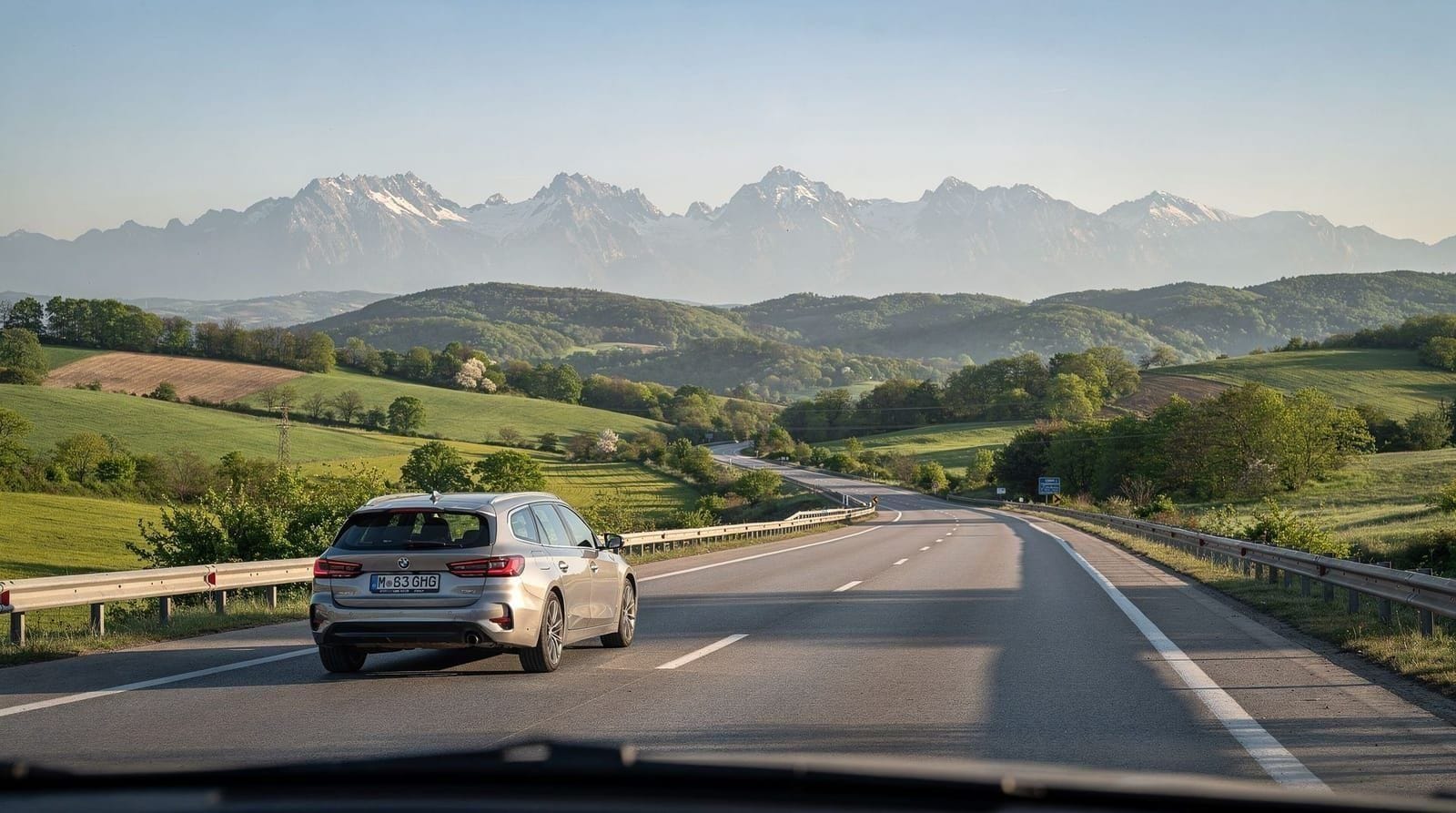
The Transfăgărășan scenic section (DN7C) is open approximately July–October each year. Exact dates vary and are confirmed annually — check CNAIR (the Romanian road authority) before travelling. From Bucharest, the drive to the scenic section via Curtea de Argeș takes about 2h30–3h. The road is not accessible by public transport; a car or organised tour is required.
The Transfăgărășan is a single road built by Nicolae Ceaușescu between 1970 and 1974, primarily for military access across the Fagaraș Mountains following the Soviet invasion of Czechoslovakia in 1968. Ceaușescu wanted a road that would allow troops and equipment to cross the range without using the lower passes. The construction killed 40 soldiers and cost enormous resources. The result, unintentionally, is one of the most spectacular mountain roads in Europe.
| Where | DN7C, Curtea de Argeș to Sibiu, via Bâlea Lake |
| Open season | Approximately July–October (check cnair.ro) |
| Drive time from Bucharest | 2h30–3h to the scenic section |
| Cost | Free road; day vignette (rovinieta) ~28 RON |
| How to go | Rental car or an organised day tour from Bucharest |
Critical fact for planning: The scenic high section is open approximately July to October only. Check current status at cnair.ro before making plans. The road is definitively closed from roughly November through June; attempting to drive it outside the open season means encountering a gate and a barrier.
The route in detail
The Transfăgărășan (officially designated DN7C) runs 151 km from Curtea de Argeș in the south to Sibiu in the north. The scenic section — the part worth making the journey for — is roughly the 60 km between Curtea de Argeș and Bâlea Lake.
From Bucharest, the logical route:
- Bucharest → Pitești (via A1 motorway, 114 km, ~1h)
- Pitești → Curtea de Argeș (via DN7C, 38 km, ~45 min)
- Curtea de Argeș → Vidraru Dam (20 km, ~30 min)
- Vidraru Dam → Bâlea Lake (via the main scenic section, ~40 km, 1h30–2h depending on stops)
- Optional: continue to Sibiu (83 km from Bâlea, ~1h30) or return same way
Total from Bucharest to Bâlea Lake: approximately 220–230 km, 3h–3h30 driving without stops.
Key stops along the route
Curtea de Argeș
The starting point for the Transfăgărășan approach from the south. The town has a stunning 16th-century royal cathedral (Curtea de Argeș Cathedral) that is worth 45–60 minutes. The cathedral is the burial place of several Romanian kings and contains elaborate neo-Byzantine exterior stonework. Entry is free; respectful dress required.
If you leave Bucharest at 08:00, you can reach Curtea de Argeș by 10:30, see the cathedral, and reach Bâlea Lake by 14:00.
Vidraru Lake and Dam
About 20 km north of Curtea de Argeș, the road enters the Argeș gorge and emerges at the Vidraru Dam (Barajul Vidraru). This is one of Romania’s largest hydroelectric dams — 166 m high, completed in 1966. The reservoir stretches 16 km into the mountains. Walk across the dam wall for the most dramatic perspective. A large statue of Prometheus (the “Prometheus of the Carpathians”) stands at one end.
The gorge drive approaching the dam is the most technically demanding section of the lower Transfăgărășan — narrow in places, with limited overtaking opportunities.
The high section: hairpins and views
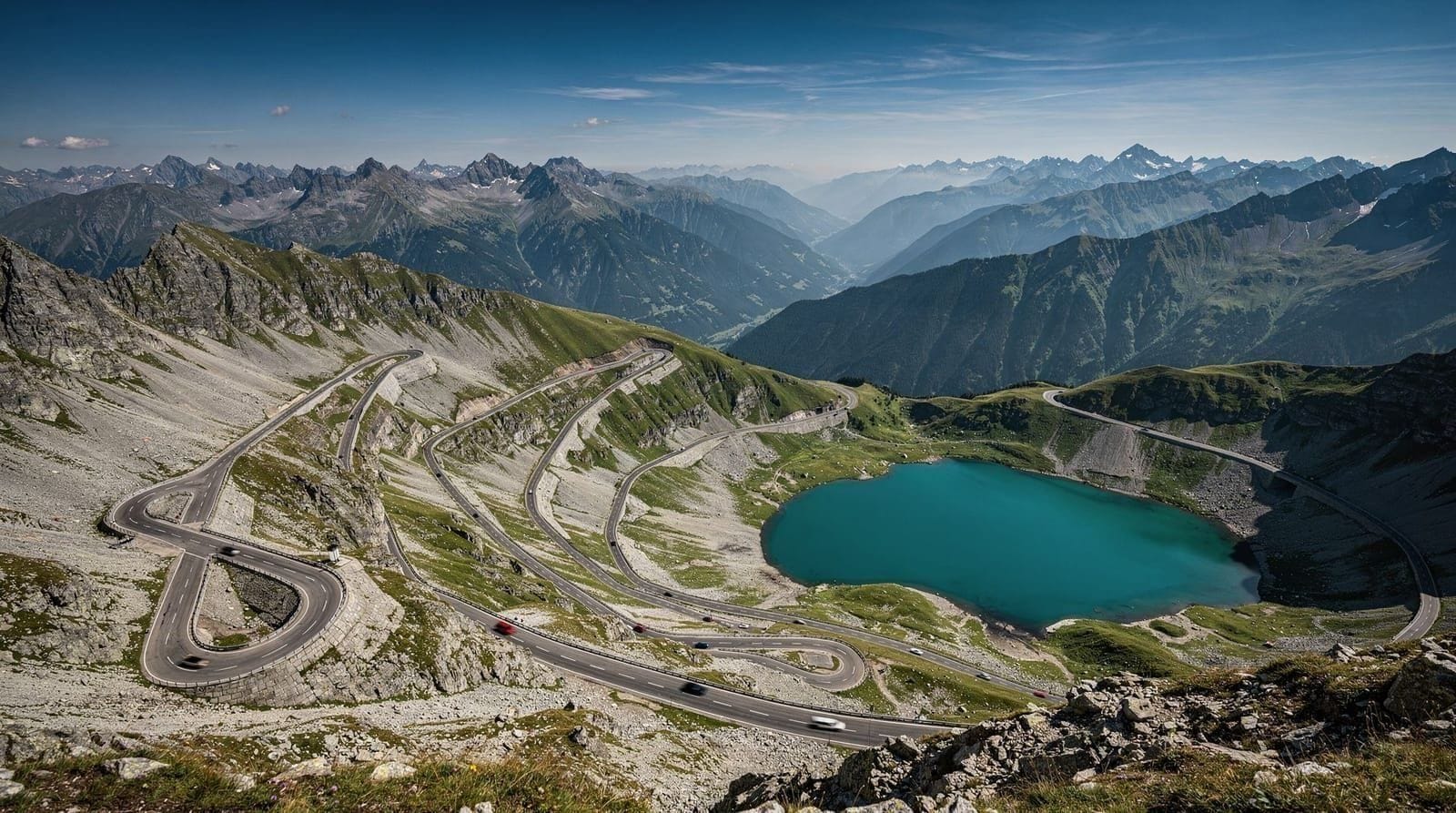
Above Vidraru, the road becomes what most people come to see. Approximately 40 hairpin bends rise through spruce forests to the treeline, then continue across an exposed alpine zone to Bâlea Lake. The bends above the treeline are visible from below as a white line zig-zagging up an almost vertical mountainside.
On a clear day, the views from the switchbacks encompass the entire Argeș valley system. On a cloudy day — which is common even in summer — visibility can drop to 20 metres and the experience is very different (fog, no views, caution required on wet bends).
Driving tips for the hairpins:
- Use lower gears going up and down; do not ride the brake.
- Pull into designated viewpoints to let faster traffic pass.
- Watch for motorcyclists who pass blind corners.
- Fuel up before Curtea de Argeș — there are no petrol stations on the mountain section.
Bâlea Lake (Lacul Bâlea)
At 2,034 m elevation, Bâlea is a glacial lake formed in a cirque carved by ancient glaciers. The lake itself is about 400 m long. On a clear day the surrounding peaks (some above 2,500 m) and the lake surface create genuinely dramatic scenery. In summer the area is heavily visited — expect significant pedestrian traffic and limited parking on weekends.
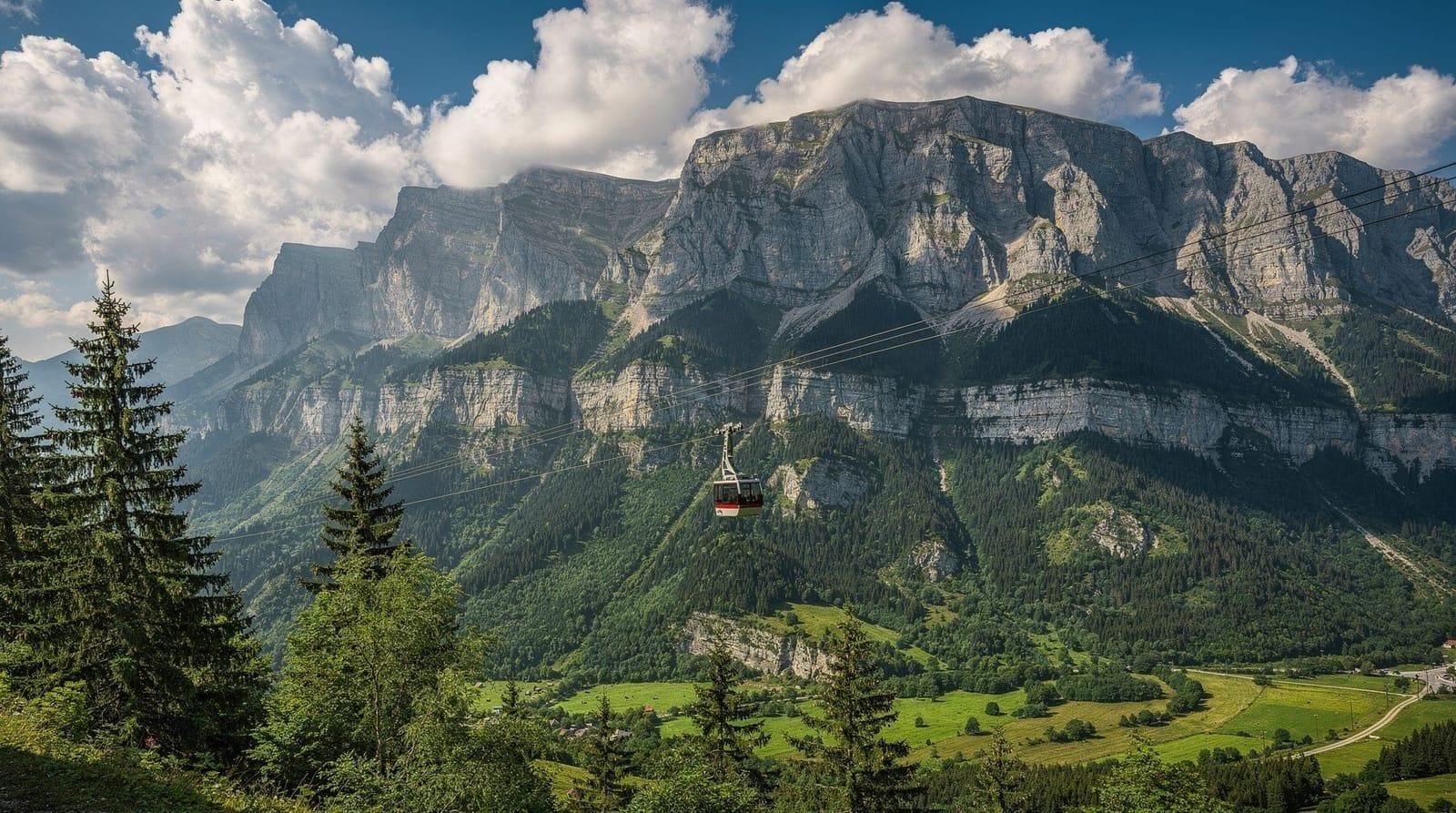
Facilities at Bâlea: A cable car from Bâlea Waterfall (accessible from a lower road on the north side) provides an alternative access. A mountain refuge (Cabana Bâlea Lac) serves food and basic accommodation. The famous ice hotel (Hotelul de Gheata) operates in winter only.
Allow at least 90 minutes at Bâlea — 30 for the walk around the lake, 60 for food and viewing if the weather is clear.
Continuing to Sibiu (optional)
If you have arranged transport (or are returning a different route), the north side of the Transfăgărășan from Bâlea Lake to Sibiu is less dramatic than the south side but still scenic. The descent is through beech forest into the Olt River valley. Sibiu — a beautifully preserved Saxon medieval city — is worth at least half a day if you are not simply trying to return to Bucharest.
The total Bucharest → Bâlea → Sibiu → Bucharest loop is approximately 550 km and 7–8 hours of driving minimum. A realistic full day, better as an overnight.
Best month to go: a seasonality guide
The Transfăgărășan’s open window is generally early June or July to late October, set yearly by CNAIR, but conditions vary considerably within that period. This isn’t a formal at-a-glance box — treat it as a working reference for choosing your dates:
| Month | Road status | Weather | Crowds |
|---|---|---|---|
| July | Open | Warm, occasional afternoon storms | Very high (peak) |
| August | Open | Warmest, most reliable dry weather | Very high (peak) |
| September | Open | Cooler, clearer air, best visibility | Moderate |
| Early–mid October | Usually open (weather-dependent) | Cold mornings, autumn colour | Low |
| November–June | Closed | Snow-bound | N/A |
September is the honest recommendation for most visitors: crowds drop noticeably after the August school-holiday peak, visibility tends to be better than the hazier summer months, and the road is still reliably open. Early July and late October carry real risk of either crowding or an early closure — check cnair.ro close to your travel date either way.
Hiking options around Bâlea Lake
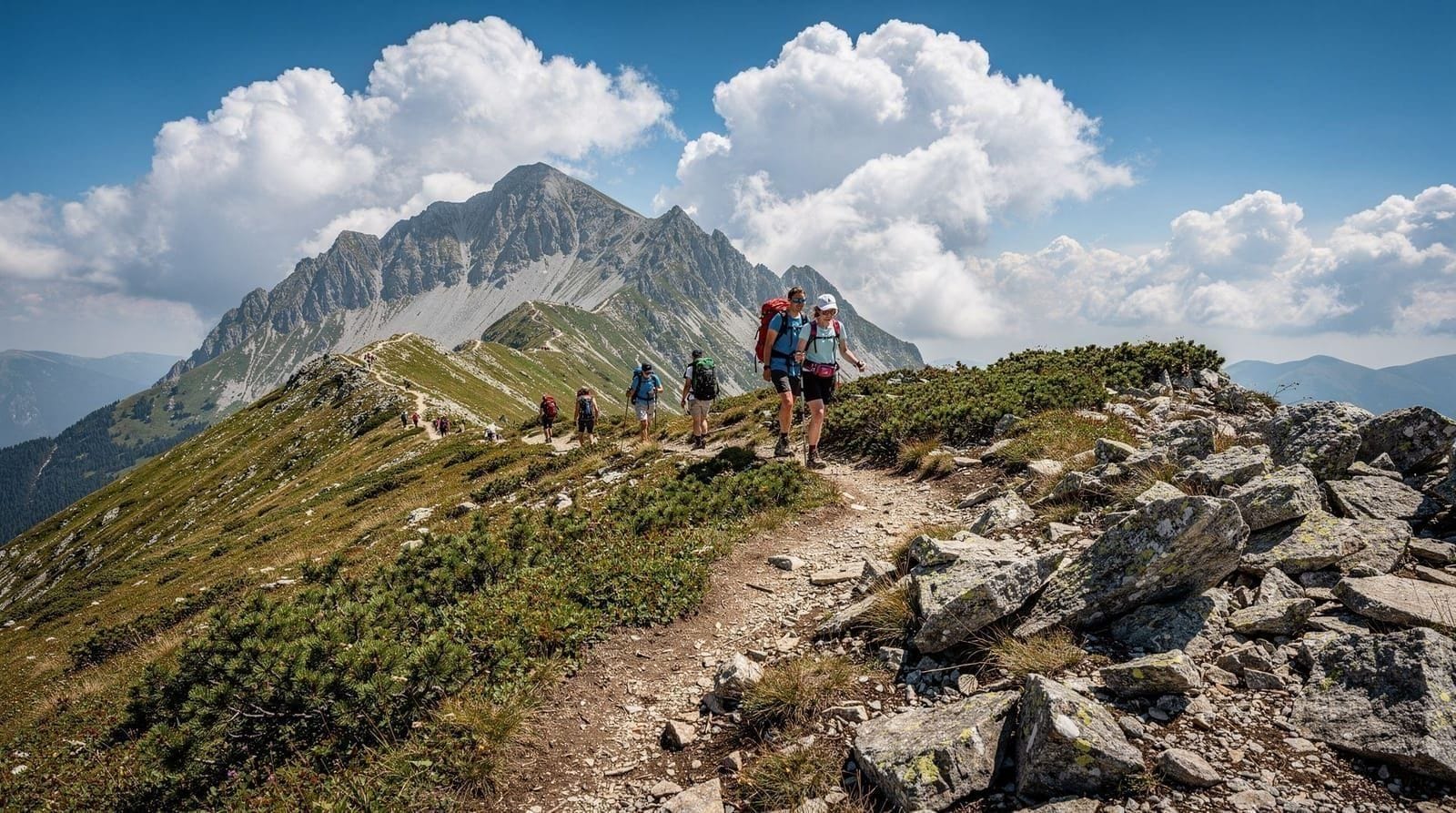
Beyond the drive itself, Bâlea Lake is a legitimate hiking base if you have more than a couple of hours to spend. A marked trail circles the lake in about 30–40 minutes on flat ground. More ambitious hikers can continue toward the Fagaraș ridge, though those routes require proper hiking boots, a map, and realistic weather awareness — conditions above the treeline change fast even in August. For a fuller mountain day, hiking the Bucegi covers a different, more accessible range closer to Bucharest if the Transfăgărășan’s hiking options feel too ambitious for your schedule.
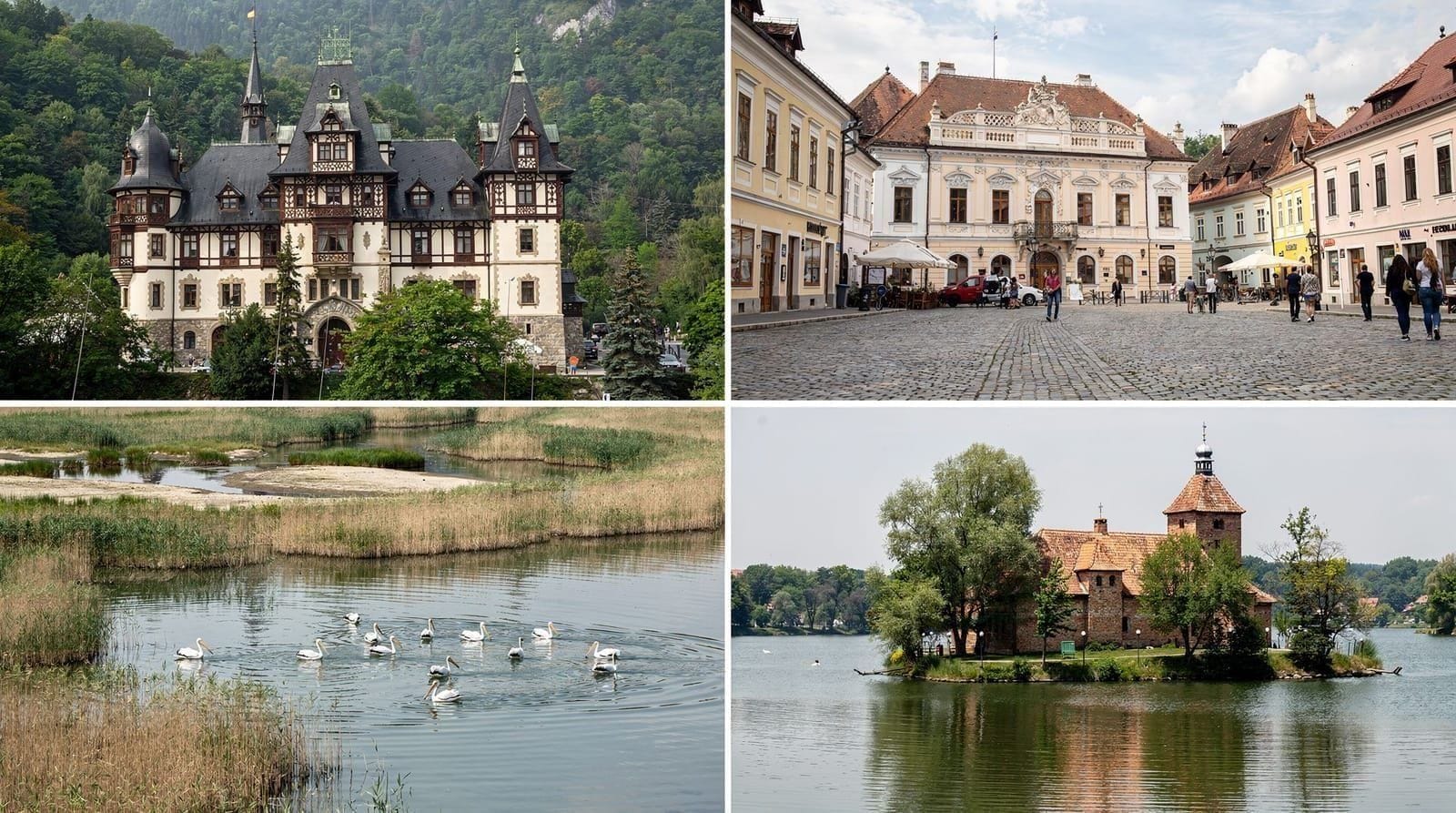
If the Transfăgărășan is just one stop on a longer Romania trip, the Romania highlights 7-day itinerary and the castles of Romania 3-day itinerary both build it in alongside Bran, Peleș and Transylvania’s medieval towns.
Organised tours from Bucharest
If you do not have a car, organised day tours are the most practical option. They run in the July–October window, depart early (07:00–08:00) and return to Bucharest by 20:00–21:00.
Transfăgărășan road and Bâlea Lake private tour from Bucharest — Private car with a guide, covering the full scenic section including stops at Vidraru and Bâlea. More flexible than shared tours; the guide adjusts pace based on your interests. Around 400–600 RON per person for a small group (2–4 people).
Transfăgărășan road day trip from Bucharest — A shared-group tour covering the essential route. More economical, less flexible. About 250–350 RON per person.
Transfăgărășan road trip with Poenari and Curtea de Argeș — Adds the Poenari Fortress (Vlad the Impaler’s actual fortress, accessed by 1,480 steps) and the cathedral at Curtea de Argeș to the drive. A more historically rich version of the day trip.
From the Brașov or Sibiu side:
Transfăgărășan private day trip from Bucharest — Private tour with maximum flexibility. Recommended if this is your primary reason for visiting Bucharest.
The road generally opens in early June or July and closes by the end of October, depending on snow, and Bâlea Lac sits at the top of the section that closes first: a Carpathian heights and Bâlea hiking day from Sibiu is the approach from the northern side, which stays drivable longest.
What to combine with the Transfăgărășan
The Transfăgărășan is often combined with:
Poenari Fortress — Vlad Țepeș’s actual fortress, located on a cliff above the Argeș gorge about 10 km before Vidraru. Reached by 1,480 steps (allow 45 minutes up, 30 down). The ruins are genuinely atmospheric. See the Poenari Castle guide for detail.
Curtea de Argeș Cathedral — As described above. A 45-minute stop.
Sibiu — If continuing to the north side and spending a night. The Sibiu destination page has detail.
For logistics including car rental and driving rules in Romania, see car rental for Bucharest day trips. For other Carpathian options if the Transfăgărășan doesn’t fit your dates, the best day trips from Bucharest guide and the Transfăgărășan destination page cover alternatives and regional context, including nearby Brașov as a base for the northern approach.
Frequently asked questions about the Transfăgărășan
How do I know if the Transfăgărășan is open?
Check cnair.ro (Romanian road authority website, available in English) for the current opening status. Local tour operators in Bucharest also keep this updated. Social media groups for Romanian travel typically post opening-day confirmation.
Is the Transfăgărășan road free?
Yes. There is no toll on the DN7C itself. Standard Romanian road tolls (rovinieta) apply to the main road network; a day vignette for a standard car costs approximately 28 RON (€5.50). Purchase online or at petrol stations at the border.
Can I drive the Transfăgărășan on a motorcycle?
Yes, and many motorcyclists specifically plan Romania trips around the road. Grip is good on dry asphalt. On wet days the hairpins become significantly more demanding. The road is narrow in sections with no guardrail — confidence at speed is required.
Is Bâlea Lake worth it if the weather is cloudy?
Partially. The drive itself is worth doing regardless of weather (the road’s engineering is impressive even in fog). The lake view specifically depends on visibility. Check weather forecasts (meteoblue.com for mountain-specific forecasts) before committing to the drive. A clear September day is better than a cloudy July one.
What should I bring for a Transfăgărășan day trip?
Layers (temperature at Bâlea is 10–15°C lower than Bucharest even in summer), waterproofs, walking shoes (the Bâlea area involves rocky path sections), water and snacks (facilities at Bâlea are limited and expensive), and a fully charged phone.
Is the Transfăgărășan or the Transalpina the better mountain road?
Both are spectacular, but for a Bucharest-based trip the Transfăgărășan is far more practical — it’s closer, better set up for day tours, and has more infrastructure at Bâlea Lake. The Transalpina, further west, is longer to reach from Bucharest and better suited to a dedicated Transylvania or Oltenia road trip rather than a day trip.
Can I combine the Transfăgărășan with Brașov instead of Bucharest?
Yes, and it’s arguably a better base for the northern approach via Sibiu. See the Brașov destination page for logistics if you’re basing yourself there instead of Bucharest.
Top experiences
Bookable activities with verified prices and instant confirmation on GetYourGuide.