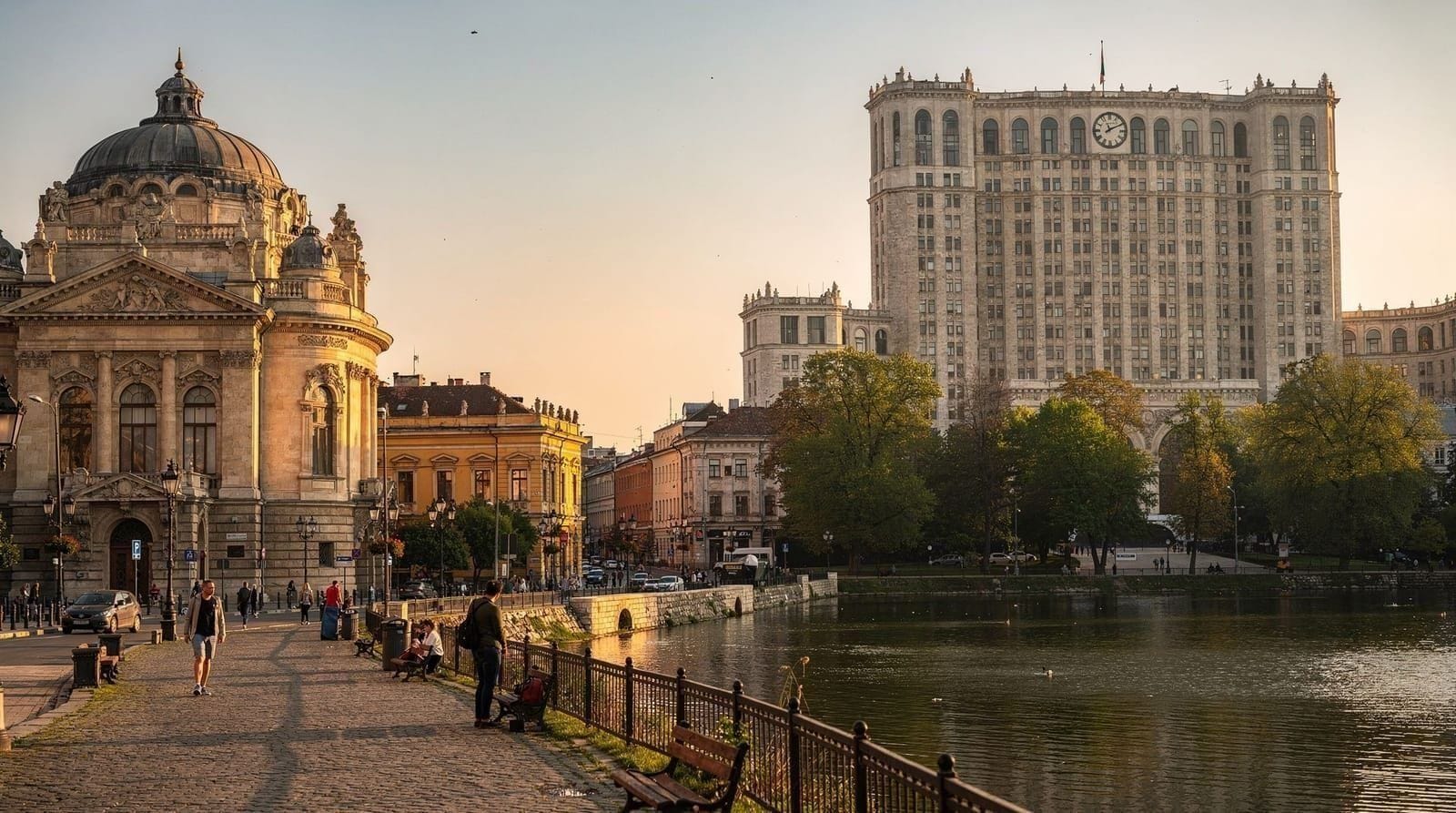
Calea Victoriei guide: Bucharest's grandest boulevard
Bucharest: A tale of Bucharest Calea Victoriei walking tour
What is on Calea Victoriei and how long does it take to walk?
Calea Victoriei is a 4 km north-south boulevard connecting the Old Town to Piața Victoriei. Walking the full length takes 1.5–2 hours; exploring the key museums, palaces and cafes adds another 3–5 hours. Key sights include the Romanian Atheneum, the National Art Museum, CEC Palace and the Royal Palace.
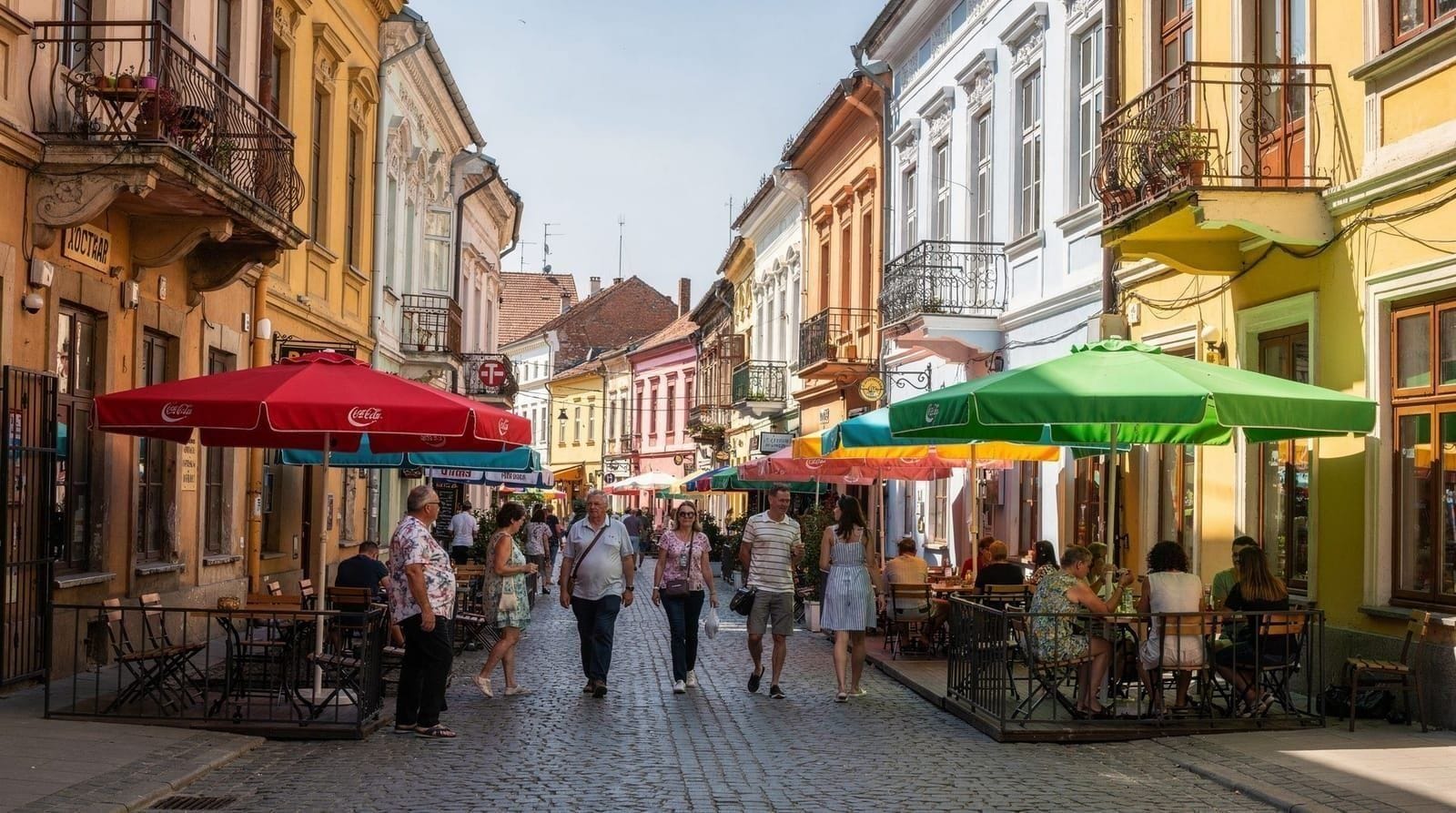
Calea Victoriei (Victory Road) is the axis around which Bucharest’s historic self-image is organised. Laid out as the main north-south route through the city in the 18th century, it became the address of choice for royal palaces, ministries, grand hotels, clubs and theatres during the Belle Époque period (roughly 1880–1940). Walking its length from the Old Town to Piața Victoriei is the single most historically informative thing you can do in Bucharest without entering a museum.
| Length | 4 km (2.5 km historic walkable section) |
| Time needed | 1.5–2h walk-only; 3–5h with museums |
| Getting there | Metro to Piața Universității or Piața Victoriei |
| Cost | Free to walk; museums 20–50 RON each |
| Best time | Weekday mornings for atmosphere |
The layout of Calea Victoriei
The boulevard runs approximately 4 km from south (the Old Town area, near Splaiul Independenței) to north (Piața Victoriei). The walkable historic section is roughly the 2.5 km between the Old Town and the Piața Victoriei roundabout, and it can be divided into three logical segments:
Southern segment (Splaiul Independenței → Piața Universității): The CEC Palace, the National History Museum, the Old Town adjacency.
Central segment (Piața Universității → Piața Revoluției): The richest concentration of historic buildings including the Royal Palace, the Atheneum and the former Cercul Militar.
Northern segment (Piața Revoluției → Piața Victoriei): Aristocratic palaces, embassies, the Cantacuzino Palace (George Enescu Museum), and the transition to the residential Dorobanți neighbourhood.
The southern section: from the Old Town to Piața Universității
CEC Palace
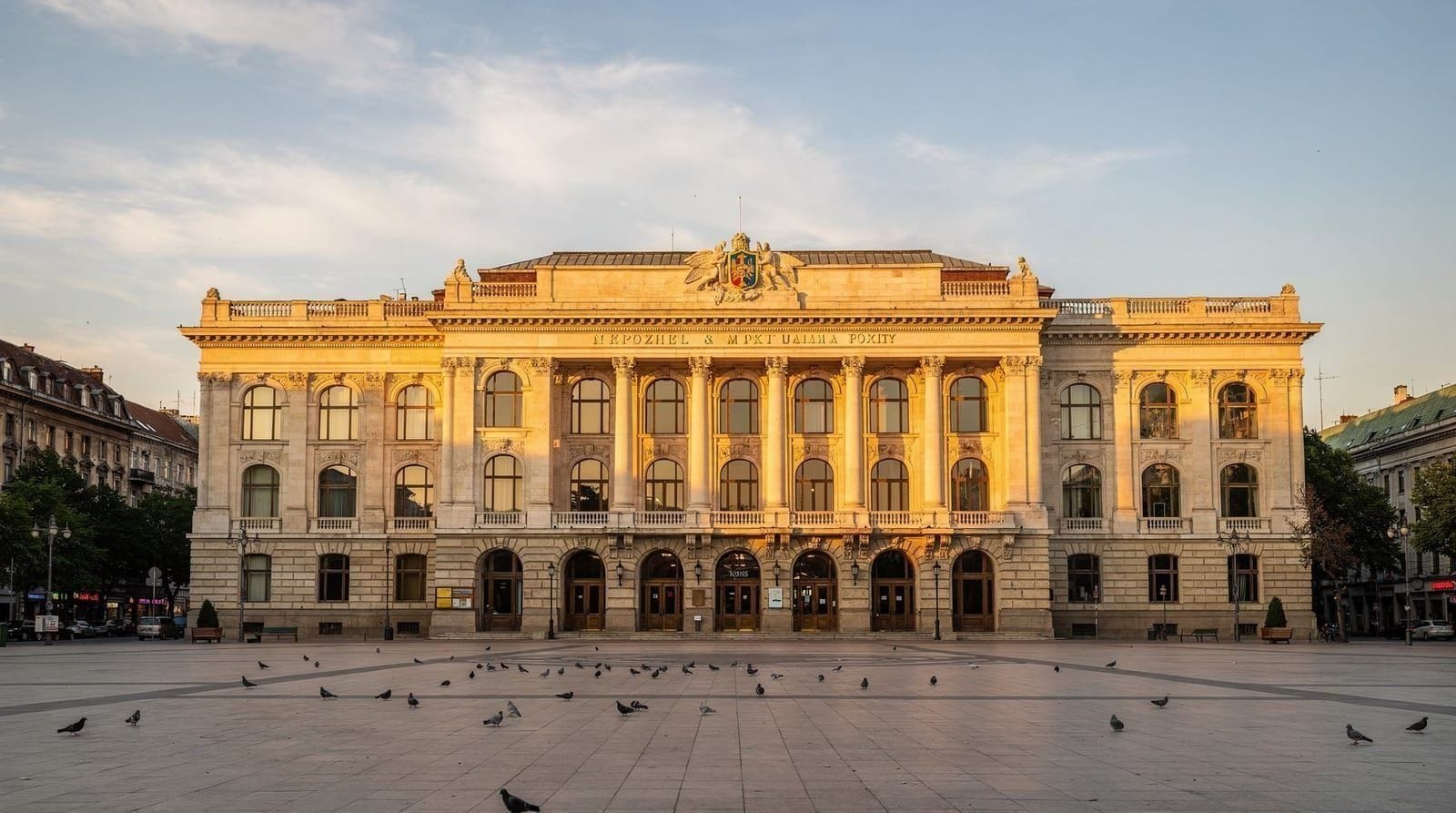
At Calea Victoriei 13, the CEC Palace (1900) is the former headquarters of the National Savings Bank and one of the finest Belle Époque buildings in Romania. Architect Paul Gottereau designed a building with a glass and iron dome that references the Paris Opera and the Vienna Ringstrasse palaces. The exterior is the main draw — the interior is not routinely open to visitors. Best viewed from the pavement opposite in the morning (avoid glare from the south-facing dome).
Romanian National History Museum
At Calea Victoriei 12 (next to the CEC Palace), the museum occupies the former General Post Office (1900), also by Gottereau. The collection spans Romanian history from Neolithic to 20th century, with the strongest sections being the prehistoric Dacian treasures and the medieval sections. The highlight is the Tezaurul României (Romanian Treasury) — a collection of gold objects including the 5th-century gold helmet of Coțofenești and the Pietroasele gold hoard. Admission approximately 30 RON; allow 2–3 hours. Check current opening hours as renovation programmes have affected access.
The central section: the best of Bucharest’s Belle Époque
Piața Revoluției (Revolution Square)
This square, mid-way along Calea Victoriei, was the epicentre of the December 1989 revolution. The former Central Committee of the Romanian Communist Party (now a ministry building) has the balcony from which Ceaușescu addressed the crowd on December 21st, 1989 — and from which he fled by helicopter when the crowd turned against him. A memorial cross and plaques mark the event. The square is peaceful today but the architectural framing — the Royal Palace on one side, the ministry on the other — makes the revolutionary drama easy to visualise.
Royal Palace (National Art Museum)
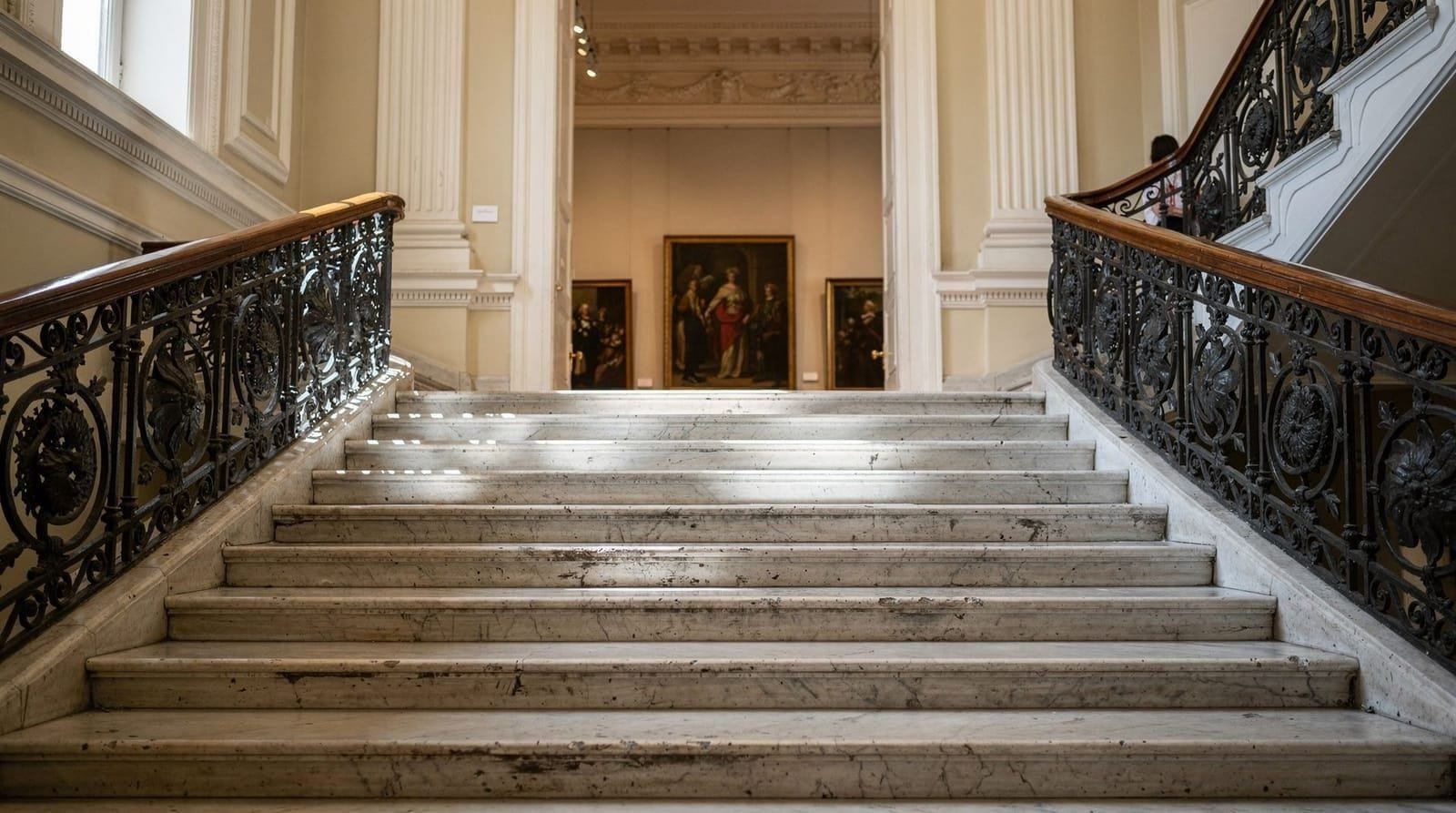
The largest building on Piața Revoluției is the former Royal Palace, now housing the National Art Museum (Muzeul Național de Artă al României). Two separate collections:
The Romanian Gallery covers medieval, Brâncovenesc, and modern Romanian art. The medieval religious section (icons, painted triptychs, illuminated manuscripts) is strong. The 19th-century Romanian painting collection — including Nicolae Grigorescu’s pastoral scenes and Theodor Aman’s portraits — is the most complete survey of pre-communist Romanian fine art.
The European Gallery contains a reasonable collection of Dutch, Flemish, Italian and French paintings from the 15th–19th centuries. Not world-class but well-displayed.
Admission: approximately 32 RON for a standard ticket. Closed Monday and Tuesday. See the full National Art Museum guide.
Romanian Atheneum
At Strada Franklin 1 (immediately east of Piața Revoluției), the Romanian Atheneum (1888) is Bucharest’s most celebrated concert hall and one of the most beautiful 19th-century public buildings in Romania. The circular neoclassical exterior (modelled loosely on the Pantheon but with distinctly Romanian decorative elements) gives way to an interior concert hall with a frescoed dome depicting Romanian history in 25 m-diameter panoramic paintings.
Entry to the interior requires attending a concert or a daytime tour. The George Enescu Philharmonic gives regular concerts here — see their website for programme and tickets (60–200 RON depending on seat).
Romanian Atheneum guided tour — Includes entry to the interior and a 90-minute guide covering the building’s history, architecture and the frescoes. The most accessible way to see the interior without timing a concert visit. Approximately 100–130 RON.
The avenue’s interwar stretch reads best at street level and in motion, which is exactly the era its architecture belongs to: a two-hour vintage car driving tour covers its length without the stop-start of a walking pace.
Cercul Militar Național
The National Military Club (1912) at Strada Constantin Mille 1 is a neo-Baroque palace with a grand interior that is occasionally open for exhibitions. The exterior — particularly the carved stone facade facing Calea Victoriei — is impressive.
The northern section: aristocratic Bucharest
Cantacuzino Palace (George Enescu Museum)
At Calea Victoriei 141, the Cantacuzino Palace (1901) is Bucharest’s finest example of French Beaux-Arts architecture applied to a private residence. Prince George Cantacuzino commissioned the French architect Ion Berindey to build a palace that would match anything in Paris. The result is a building that self-consciously outperforms its urban context.
The palace now houses the George Enescu National Museum, celebrating Romania’s most important composer. The interior is as much the attraction as the musical content — the grand staircase, stained glass ceiling, and original Belle Époque furnishings are remarkably preserved. Admission approximately 20 RON. Open Tuesday–Sunday.
Gara Regală and the northern passage
Near Calea Victoriei 152, the former royal station (Gara Regală) is a small building used by Romanian royalty for private journeys. Not open to visitors but visible from the street — an example of the private-royal infrastructure that ran alongside the public city.
Walking tours and guided options
A tale of Bucharest Calea Victoriei walking tour — A 2-hour guided walk covering the boulevard’s key buildings with historical context connecting the architectural periods. Good at explaining what you are looking at and why it matters. About 100–140 RON.
Old Town, Calea Victoriei and communism tour — A longer tour (3+ hours) combining the boulevard walk with Old Town architecture and the communist-era context (including the Palace of Parliament). Best option if this is your main sightseeing day in Bucharest.
Practical information for visiting Calea Victoriei
Transport: Tram 1 and Tram 10 run the length of Calea Victoriei. The Metro stops at Piața Universității (south end) and Piața Victoriei (north end). Walking the full boulevard is realistic if the weather is good.
When to visit: Mornings on weekdays are the most atmospheric — the business and cultural life of the boulevard is active without weekend tourist density. Sundays the museums are open but traffic is lighter.
Cafes on the route: Café Cișmigiu (Boulevard Regina Elisabeta, branching west from Calea Victoriei near the park), Divan Restaurant (Calea Victoriei 34), and Lacrimi și Sfinți (Floreasca branch, slightly off-route but worth the detour). For a historic setting, the terrace of the Grand Hotel Continental (Calea Victoriei 56) serves adequate coffee in an intact Belle Époque hotel lobby.
Photography: The buildings along the boulevard are excellent subjects, particularly the CEC Palace, Cantacuzino Palace and Romanian Atheneum. Morning light (south-facing facades) or late afternoon (north-facing) works best.
For more on the neighbourhood context around Calea Victoriei, the Old Town guide covers the southern end in detail. For the museums, the best museums in Bucharest guide has a comparative overview. To plan your time in Bucharest efficiently, the Bucharest itinerary guide shows how Calea Victoriei fits into a 2–3 day visit.
Comparing the three segments
| Segment | Highlights | Time to allow |
|---|---|---|
| Southern (Old Town → Universității) | CEC Palace, National History Museum | 45–90 min |
| Central (Universității → Revoluției) | Royal Palace / National Art Museum, Romanian Atheneum | 2–3.5h with museums |
| Northern (Revoluției → Piața Victoriei) | Cantacuzino Palace, Gara Regală | 45–75 min |
If time is limited, the central segment delivers the highest concentration of must-see buildings and is the one to prioritise; the best museums in Bucharest guide has detail on choosing between the Royal Palace galleries and other city museums if you can only fit one or two in.
Extending the walk
Calea Victoriei sits close to two other worthwhile stops that pair naturally with a boulevard walk. To the west, Herăstrău Park is a straightforward continuation if you reach the northern end with energy left — Aviatorilor metro connects the two directly. To the south, the boulevard flows into the Old Town, making a single day plausible: Old Town in the morning, Calea Victoriei through the afternoon, dinner near Piața Victoriei.
Small-group Old Town and Calea Victoriei walking tour — a guided way to cover both in one outingFrequently asked questions about Calea Victoriei
How long should I spend on Calea Victoriei?
A walking overview without museum entry takes 1.5 hours. Adding the National Art Museum adds 2–3 hours. Adding the George Enescu Museum adds 1–1.5 hours more. A full day including the Atheneum concert (evening) gives a complete experience of the boulevard.
Is Calea Victoriei pedestrianised?
No — it is an active road with tram lines. The pavement is wide and walking is comfortable, but it is not a pedestrian street. Crossing the road requires attention.
What is the history behind the name “Victory Road”?
The name dates from 1878, after Romania’s victory in the Russo-Turkish War, which secured Romanian independence. Before 1878 it was called Podul Mogoșoaiei (the Mogoșoaia Causeway), after the 18th-century road that ran to the Mogoșoaia Palace north of the city.
Are there good restaurants directly on Calea Victoriei?
A few. The Radisson Blu Hotel (no. 63) has a rooftop bar and ground-floor restaurant worth considering. Grand Hotel Continental (no. 56) for a historic setting. Most locals eat in the side streets off the boulevard rather than on the main avenue itself. See the where to eat in Bucharest guide for recommendations.
Can I combine Calea Victoriei with the Palace of Parliament in one day?
Yes, though it’s a full day. Visit the Palace of Parliament first thing in the morning (guided tour required), then walk north to Piața Revoluției and continue up Calea Victoriei through the afternoon. Both sit on roughly the same north-south axis, so the logistics are straightforward. See the Bucharest itinerary guide for a full day-by-day structure.
Is Calea Victoriei safe to walk at night?
Yes, generally. The boulevard is well-lit and has consistent foot traffic in the evening near the Atheneum and the main hotels. As anywhere in central Bucharest, standard city awareness applies rather than any specific concern unique to this street.
Top experiences
Bookable activities with verified prices and instant confirmation on GetYourGuide.