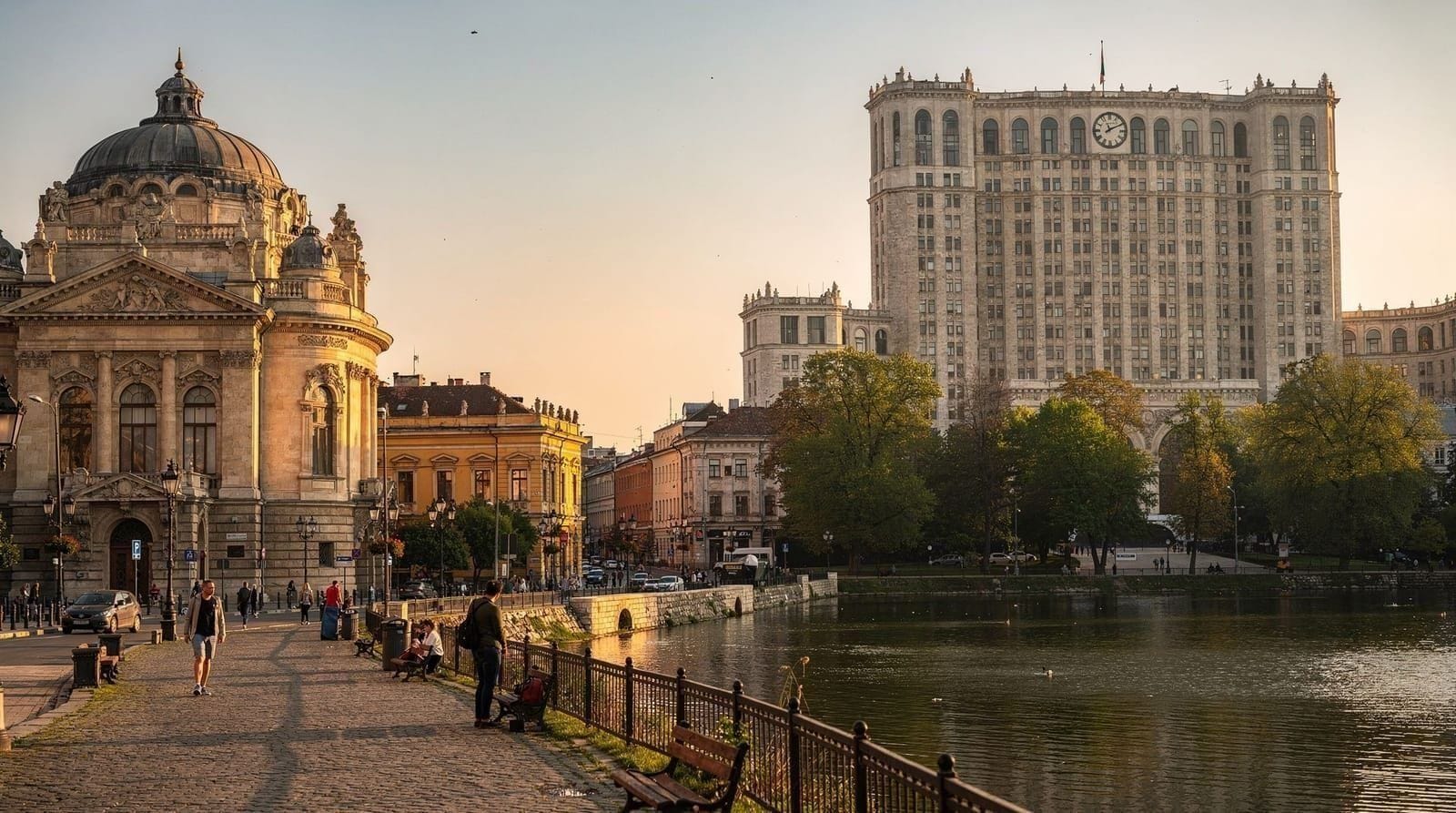
Herăstrău Park guide: Bucharest's largest park and what to do there
Bucharest: Herastrau lake kayak or sup tour with guide
What is there to do at Herăstrău Park in Bucharest?
Herăstrău (now officially Regele Mihai I Park) is Bucharest's largest park, built around a 74-hectare lake. Key activities: visiting the Village Museum on the western shore, hiring a boat on the lake, walking or cycling the 6 km perimeter path, kayaking, and eating at the lakeside restaurants. The park is free to enter and particularly good in May–June and September–October.
Herăstrău Park — officially renamed Parcul Regele Mihai I (King Michael I Park) in 2017, though most Bucharesters still call it Herăstrău — is the largest park in Bucharest and the one that most rewards a half-day visit. Unlike Cișmigiu (a formal 19th-century garden) or Tineretului (a communist-era people’s park), Herăstrău is built around a genuine lake, has the Village Museum on its shore, and functions as the leisure heart of Bucharest’s most affluent neighbourhood.
| Where | North Bucharest, Metro M2 to Aviatorilor or Aurel Vlaicu |
| Cost | Free to enter; Village Museum ~40 RON, boats/kayaks extra |
| Time needed | Half-day (3–4h) for museum + lake walk |
| Getting there | Metro (10 min walk) or Bolt (15–25 RON) |
| Best time | Late April–May or September–October |
If this is your first visit to the capital, Herăstrău slots in best on a day when you have already seen the centre. The first-time Bucharest guide explains how the main areas fit together, and the Bucharest in 2 days and Bucharest in 3 days itineraries show where a green half-day works best between the heavier sightseeing days.
Getting to Herăstrău Park
By Metro: The most efficient option. Line M2 (the north-south line) stops at Aviatorilor (exit to the Triumphul Arch and the park’s northern entrance) or Aurel Vlaicu (exit to the lake’s eastern shore). Both are 10 minutes’ walk from the water.
By Bus: Bus 301 from Piața Romană runs north through the Dorobanți neighbourhood to the park. Journey about 20 minutes from the city centre.
By Bolt: From the Old Town or Piața Universității, a Bolt ride costs 15–25 RON and takes 10–15 minutes in typical traffic.
Walking from Piața Victoriei: 20–25 minutes north through the upscale Dorobanți neighbourhood. Pleasant walk through streets of early 20th-century villas and embassies.
If you are unfamiliar with the network, the Bucharest metro guide covers tickets and how to read the lines. Arriving from the airport? The airport to city guide shows the options, and the park is an easy first stop once you have dropped your bags.
The Village Museum (Muzeul Satului)
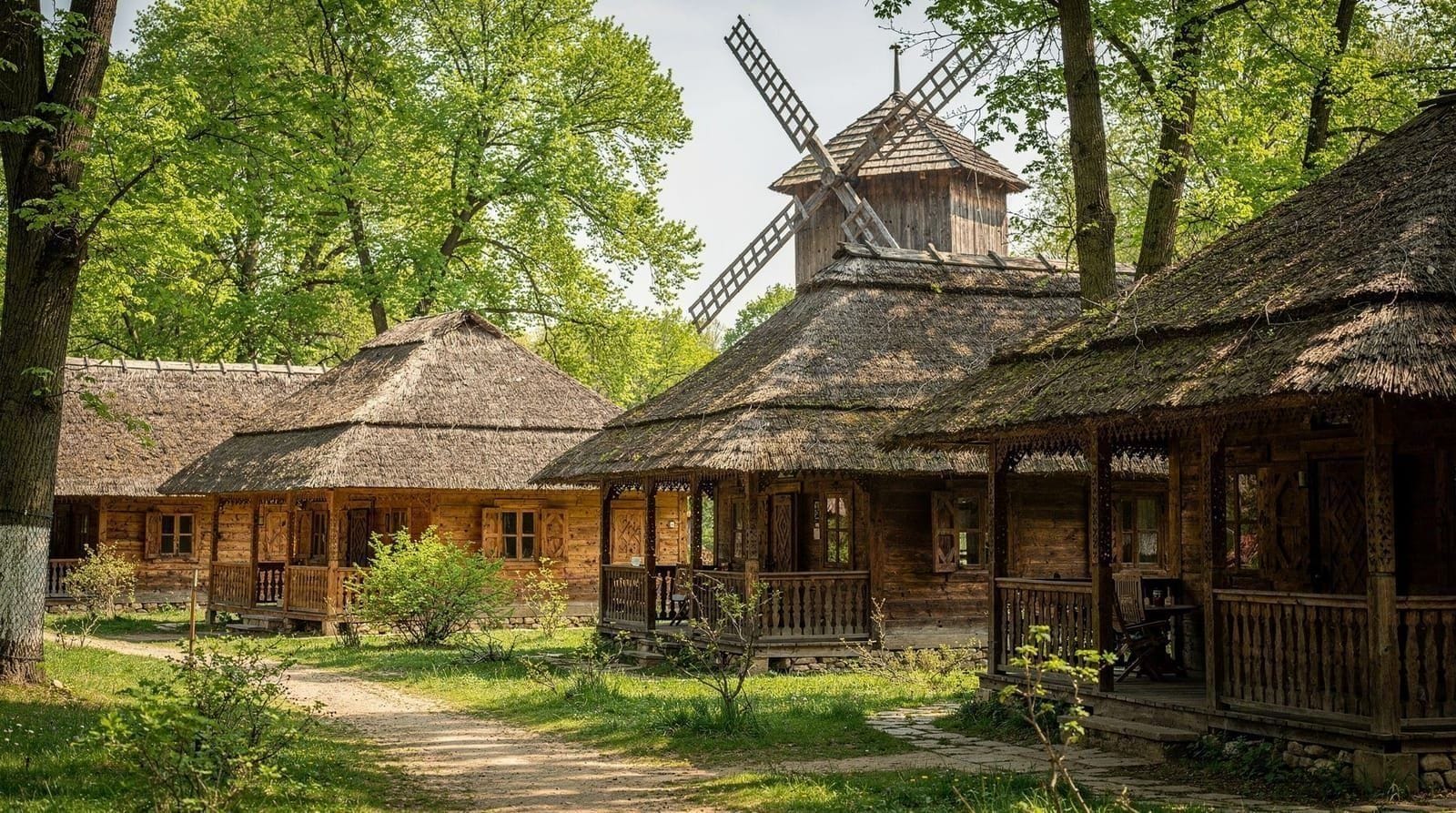
On the western shore of Herăstrău Lake, the Village Museum is one of the highlights of Bucharest and one of the best open-air ethnographic museums in Europe. Founded in 1936 by Dimitrie Gusti, the museum brought traditional Romanian rural buildings from all regions of the country and reassembled them in a 4-hectare park setting.
What is here:
- Over 270 structures spanning several centuries — houses, farmsteads, churches, windmills, water mills, barns and workshops
- Regional variety: each region of Romania has a distinct architectural tradition (Maramureș log churches, Dobrogea mud-brick buildings, Transylvanian painted farmhouses, Wallachian courtyard arrangements)
- Several buildings still have original interiors — furniture, textiles, household implements intact
- Two 18th-century wooden churches that were dismantled from their original sites and rebuilt here
The museum is active rather than static — during summer, craft demonstrations (weaving, pottery, woodcarving) take place on weekends, and several of the buildings are used for exhibitions.
Admission: Approximately 40 RON (adults), 10 RON (students). Open Wednesday–Sunday 09:00–19:00 in summer, shorter hours in winter. Allow 2–3 hours for a thorough visit.
Free tip: The museum path follows the lake edge in places, offering views across the water to the Herăstrău terraces opposite. This is one of the more pleasant park walks in Bucharest regardless of the museum content.
See the dedicated Village Museum guide for comprehensive coverage.
The lake and water activities
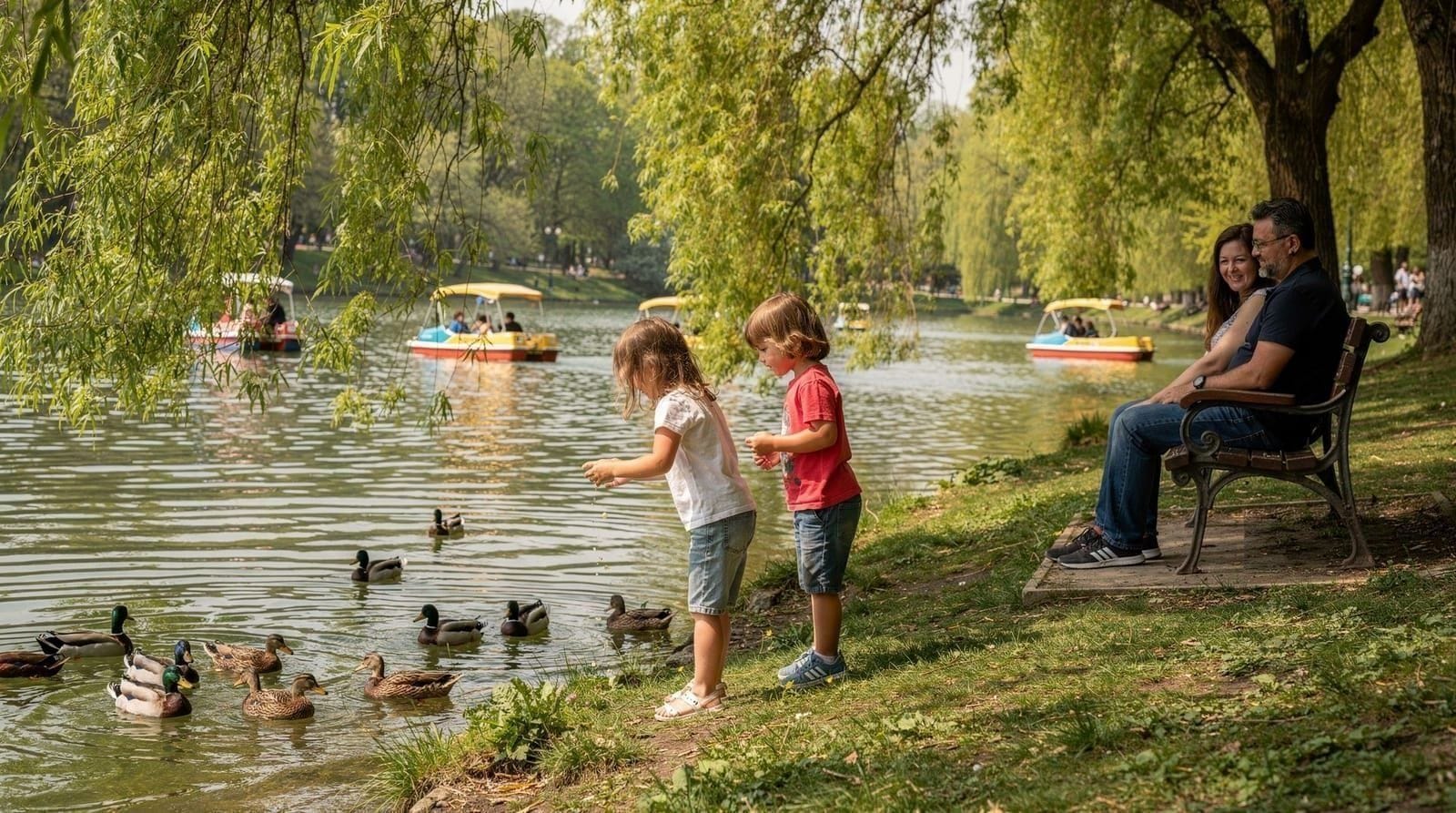
Herăstrău Lake is 74 hectares (nearly 200 acres) and has been shaped by land reclamation since the early 20th century. The 6 km perimeter path runs around the full lake and is one of the best outdoor exercise circuits in Bucharest — popular with joggers, cyclists and prambulators.
Boat hire: Several hire points around the lake offer rowing boats and electric paddle boats. Rowing boats cost approximately 30–50 RON per hour for 2–4 people. The eastern shore has the most hire operators. No experience necessary for recreational rowing on the protected lake.
Kayaking: Herăstrău Lake kayak or SUP tour with guide — A guided 2-hour kayaking or stand-up paddleboarding session on the lake with instruction and safety briefing. Approximately 100–150 RON per person. Good for beginners; no prior experience needed. The guide covers lake ecology and the history of the park.
Guided kayaking tour in Herăstrău Park — A more structured experience covering more of the lake with time for independent paddling after the guided section. About 2.5 hours.
Swan paddle boats: Rentable at 20–35 RON per 30 minutes from several kiosks on the eastern shore. These are the gentle family option — stable, slow, and enjoyed by people of all ages.
The park and the Village Museum sit at the top of the city, four kilometres from the Old Town, and the sights between them are strung along one axis: a private tuk-tuk tour of the north side follows that axis instead of doubling back on the metro.
The Triumphul Arch (Arcul de Triumf)
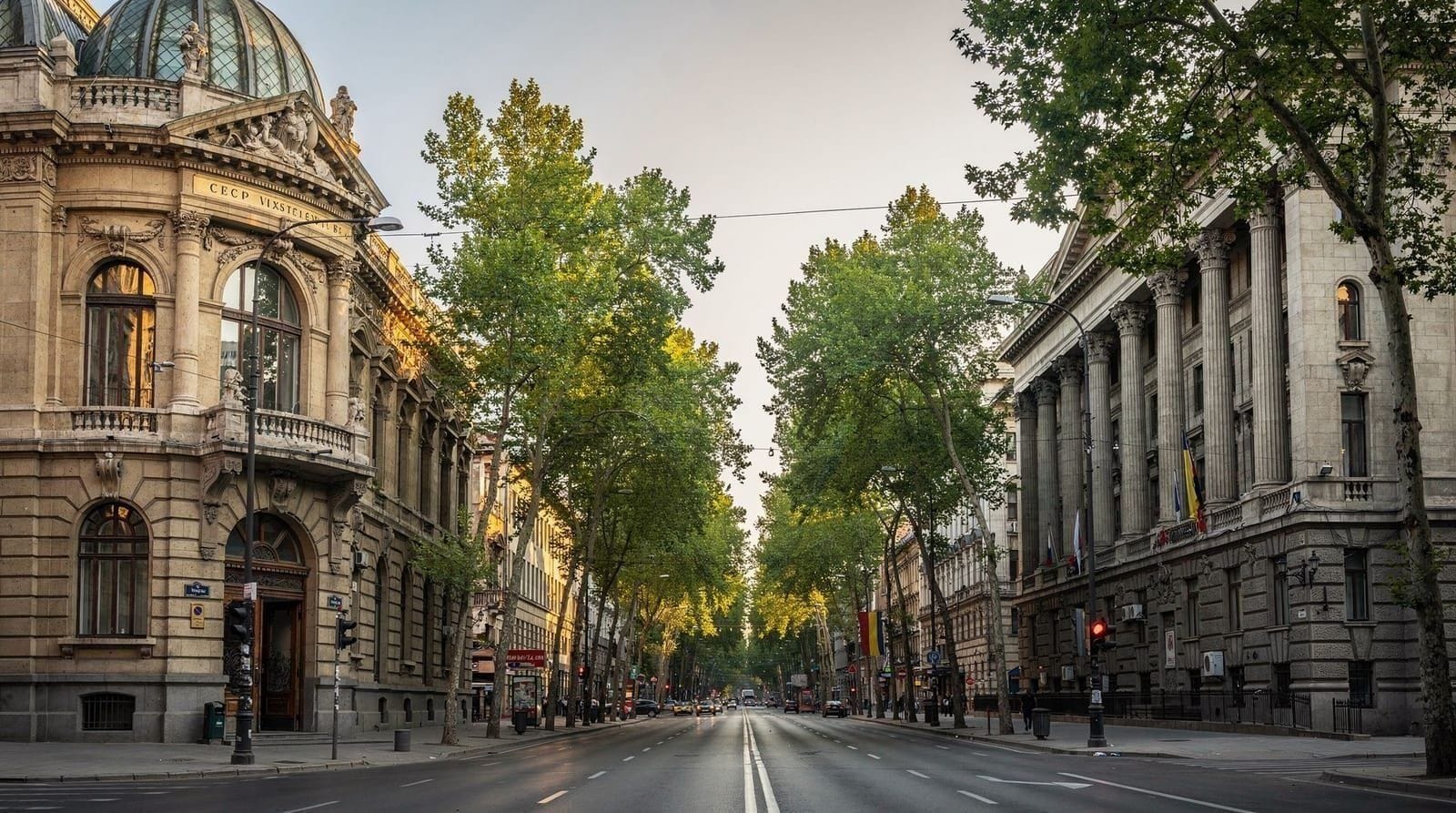
About 400 m north of the main park entrance on Bulevardul Kiseleff stands the Arcul de Triumf (1936), Romania’s version of the Paris Arc de Triomphe. At 27 m high it is less imposing than its French model but is built in a similar tradition of the Beaux-Arts style. It was originally built for soldiers returning from World War I; the current structure replaced an earlier wooden version in 1936.
The arch is accessible from the Aviatorilor Metro exit and is easily combined with a Herăstrău Park visit. The interior can occasionally be visited when it is open for temporary exhibitions (free or 10 RON).
Lakeside restaurants and terraces
The eastern shore of Herăstrău has the most concentrated strip of lakeside restaurants — a mix of serious restaurants and casual terraces that operate May through September.
Acuarela (Aleea Herăstrău) — One of the most established lakeside restaurants, with tables on a floating platform connected to shore. View of the lake from all seats. Food is adequate (grilled fish, salads, pizza) at 70–120 RON per main. Better for drinks and atmosphere than food. Very pleasant on summer evenings.
Shift Pub (nearby) — Craft beer pub with a small terrace. Better food than Acuarela, more casual, less view-focused.
Snack and café options: Several kiosks around the lake sell coffee, ice cream and basic snacks at reasonable prices (coffee 10–15 RON, ice cream 8–12 RON). This is the right option for a budget picnic day rather than a sit-down meal.
A picnic is also a good way to keep the day cheap: the Bucharest on a budget guide and the daily budget breakdown show how a free park, a packed lunch and one paid activity fit into a sensible spending plan. If you would rather try Romanian cooking after the park, the Bucharest food guide and the traditional Romanian dishes guide explain what to order.
Cycling in and around Herăstrău
The 6 km lake perimeter path allows cycling, and the wider Dorobanți and Aviatorilor neighbourhoods north of the park have relatively pleasant cycling infrastructure.
Bike hire at the park: Available at the main eastern entrance. Approximately 15–25 RON per hour for a standard city bike. Electric bikes 30–40 RON per hour.
For a longer guided cycling experience:
Half-day bike tour of Bucharest — A guided 4-hour cycling tour covering Herăstrău and connecting the park to other Bucharest neighbourhoods. Covers approximately 15 km. Guide provides historical and architectural context. Around 120–160 RON per person including bike hire.
The Dorobanți neighbourhood — the park’s residential context
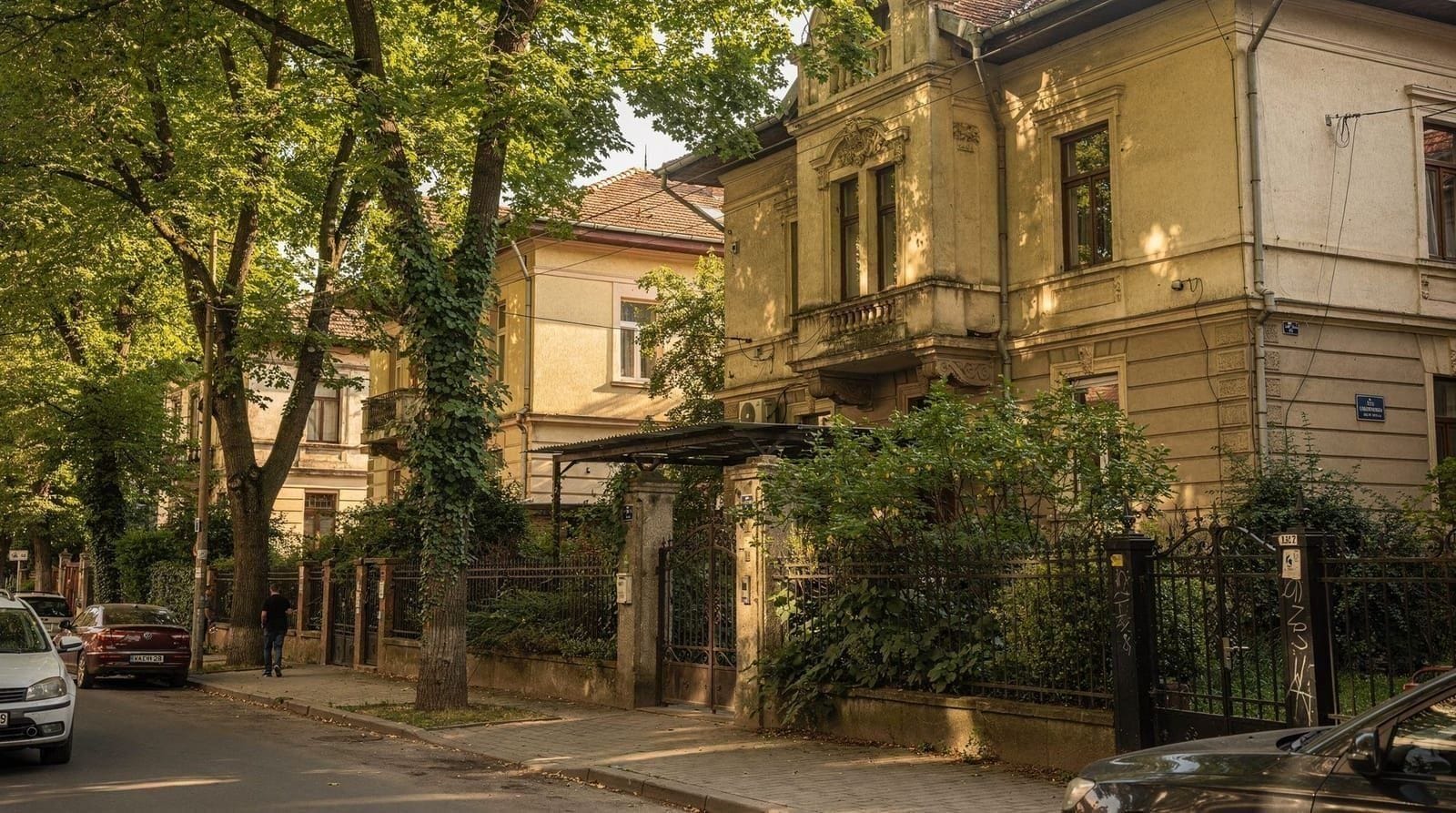
The streets immediately south and west of Herăstrău Park form the Dorobanți neighbourhood — one of Bucharest’s most affluent and architecturally coherent residential areas. The streets between Calea Dorobanților and the park are lined with early 20th-century villas and inter-war modernist apartment blocks, many housing embassies and diplomatic residences.
Walking these streets after leaving the park is worthwhile as an example of how Bucharest looked before communist urban renewal — the neighbourhood survived largely intact because its residents were influential enough to resist demolition. The contrast with the Centrul Civic area (the Palace of Parliament district) is stark. To see that other side of the city, the Palace of Parliament guide and the Ceaușescu’s Bucharest guide make a natural counterpart to a day spent among the villas.
The neighbourhood also has Bucharest’s highest density of quality restaurants outside the Floreasca lakeside strip — see where to eat in Bucharest for specific recommendations.
Seasonal considerations
| Season | Conditions | Lake facilities | Best for |
|---|---|---|---|
| Spring (Apr–May) | Mild, park at its best in bloom | Terraces opening from May | Photography, Village Museum craft demos |
| Summer (Jun–Aug) | Hot, 35°C+ possible, busy weekends | All facilities open daily | Kayaking, boat hire, evening terraces |
| Autumn (Sep–Oct) | Cooler, good light | Terraces open through Sep, closing in Oct | Foliage photography, fewer crowds |
| Winter (Nov–Mar) | Cold, quiet | Lake terraces and hire points closed | Quiet walks, Village Museum (reduced hours) |
Spring (April–May): The park is at its best in late April when the trees come into bloom and before summer heat arrives. The lake terraces begin opening in May. The Village Museum starts its weekend craft demonstrations.
Summer (June–August): Peak season. All facilities open, kayaking and boat hire available daily, summer concerts and events in the park. Very busy on weekends. Temperature can reach 35°C+ — the lake breezes provide some relief. Best to visit early morning or late afternoon.
Autumn (September–October): Excellent for photography — the foliage colour change around the lake is one of Bucharest’s more unexpected pleasures. Fewer visitors than summer. Most lake terraces stay open through September, closing progressively in October.
Winter (November–March): The park is open but the lake terraces and hire points are closed. The Village Museum remains open year-round with reduced hours. The park is quiet and atmospheric on crisp winter mornings.
For a complete plan of how to use a day in Bucharest including Herăstrău, see the Bucharest itinerary guide. The Herăstrău area connects naturally to the Calea Victoriei guide and the Cotroceni and hidden gems guide for a full neighbourhood tour of Bucharest.
Herăstrău vs Bucharest’s other parks
Herăstrău is not the only green space worth a Bucharest visitor’s time, but it is the one built around a real lake and genuine leisure infrastructure. Cișmigiu Gardens, in the city centre, is a formal 19th-century garden — smaller, more intimate, better suited to a lunchtime stroll than a half-day outing. Tineretului Park, south of the centre, is a communist-era “people’s park” with sports facilities and a more local, less polished feel. If you only have time for one park in Bucharest, Herăstrău’s combination of the Village Museum, the lake activities and the Triumphul Arch nearby makes it the strongest single choice, particularly if you’re travelling with children — see the Bucharest with kids guide for how it compares to the city’s other family-friendly options.
Frequently asked questions about Herăstrău Park
Is Herăstrău Park free to enter?
The park itself is free to enter and access. The Village Museum charges entry (approximately 40 RON adults). Boat hire, kayaking and cycling are paid activities. Restaurants charge market rates.
How long should I spend at Herăstrău?
A half-day (3–4 hours) covers the Village Museum and a lake walk comfortably. A full day allows the museum plus kayaking plus a lakeside lunch. For a quick visit, the perimeter walk alone is 1.5–2 hours.
Can I run around Herăstrău Lake?
Yes — the perimeter path is a popular running route for Bucharesters. The full circuit is approximately 6 km on mostly flat terrain. It is shared with cyclists and pedestrians; no dedicated running lane.
Is there a children’s playground at Herăstrău?
Yes, several. The most complete is in the northeastern section of the park, with swings, climbing structures and a small funfair operating in summer. The paddle boats and pony rides (weekends in summer) are also popular with children.
What is the Triumphul Arch open for visits?
The interior is opened on specific occasions — National Day (1 December), the anniversary of its completion and for occasional temporary exhibitions. Otherwise, it can be walked around and photographed from the outside at any time.
Is Herăstrău Park safe in the evening?
Yes, generally — the eastern shore with its restaurants and terraces stays lit and populated well into the evening in summer. The more remote sections of the perimeter path are quieter after dark; stick to the lit, populated areas if walking alone at night.
How does Herăstrău compare to Cișmigiu Gardens?
Herăstrău is far larger, built around a real lake, and offers activities (boating, kayaking, cycling) that Cișmigiu doesn’t. Cișmigiu is more central, more formal, and better suited to a short break between sightseeing than a dedicated outing. Most first-time visitors should prioritise Herăstrău if choosing only one.
Top experiences
Bookable activities with verified prices and instant confirmation on GetYourGuide.