Transfăgărășan day tour from Bucharest — the honest assessment
Brașov: Brasov Transfagarasan highway and Balea lake tour
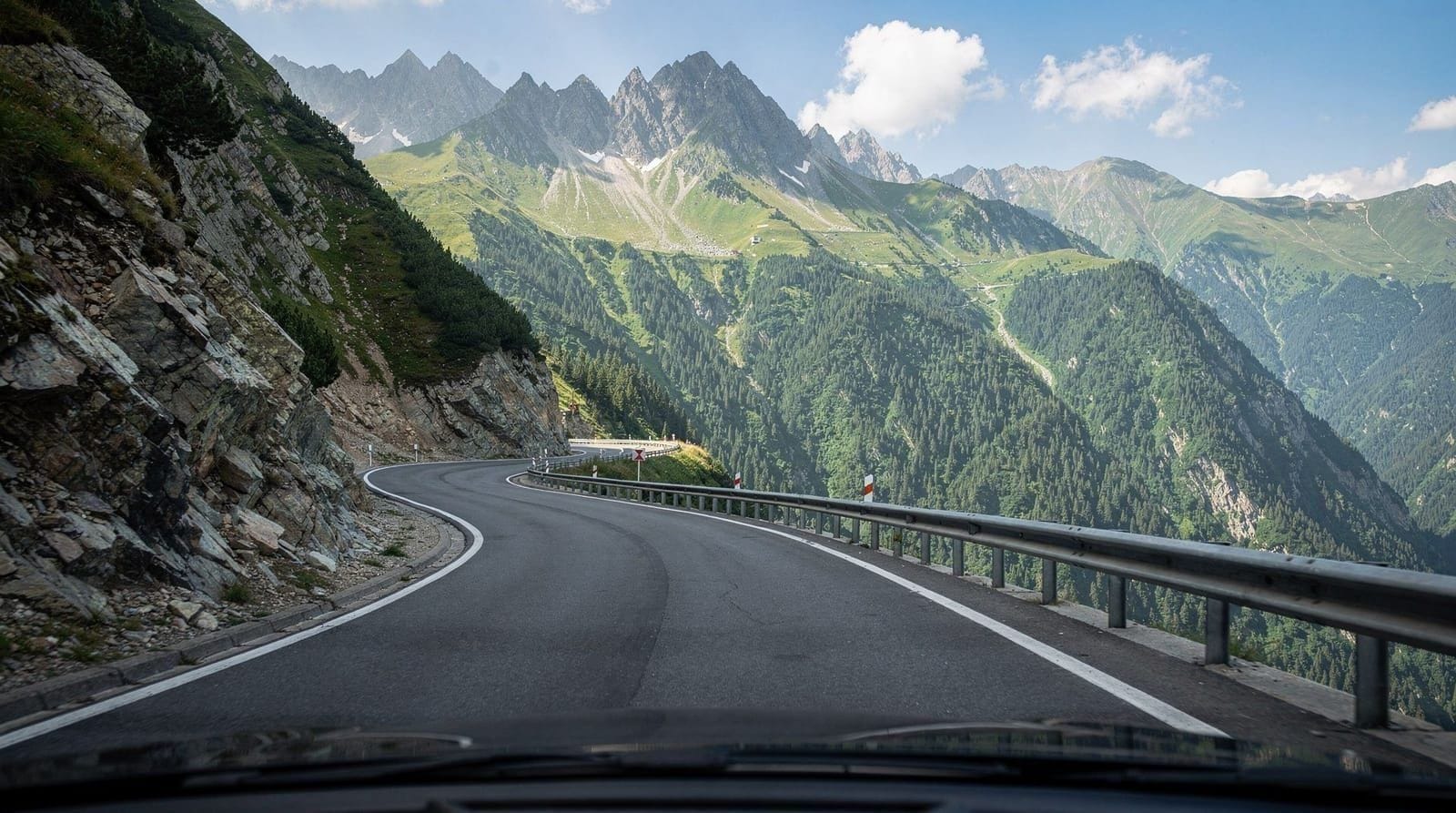
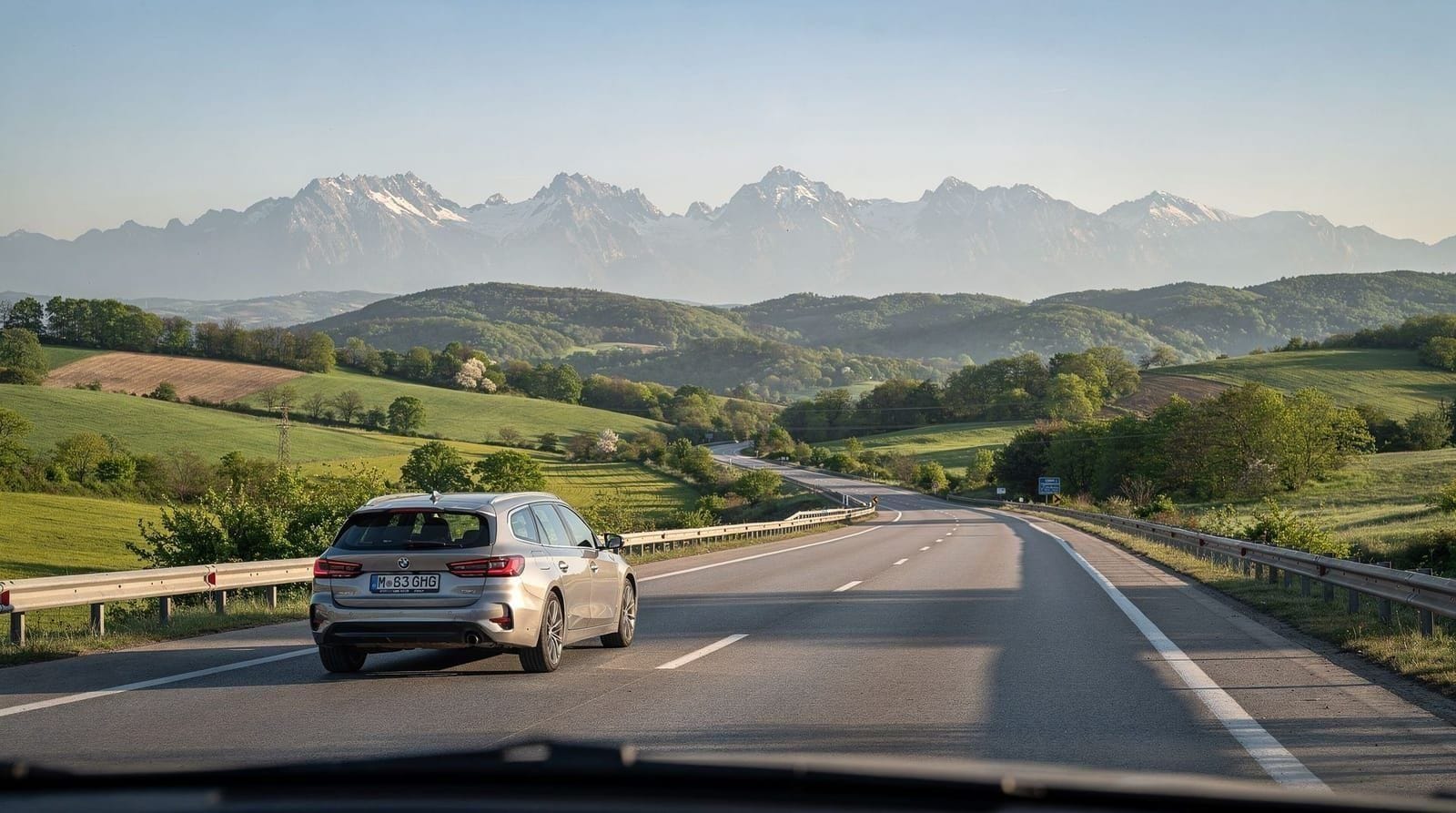
The Transfăgărășan is the most dramatic road in Romania — 90 km of engineered switchbacks climbing from the Wallachian plain at 400m to 2,042m altitude over the main Carpathian ridge, then descending through Alpine passes to Transylvania. It was built between 1970 and 1974 by military conscripts on Ceaușescu’s personal order after the Soviet invasion of Czechoslovakia, to provide a military supply route over the mountains. The human cost was significant: an estimated 40 soldiers died in its construction. The drive is extraordinary.
| Where | Transfăgărășan pass, southern Carpathians — 190km / around 3.5–4hrs from Bucharest to Bâlea Lake |
| Cost | Shared tour: 350–500 RON pp; private: 600–1,200 RON pp |
| Time needed | Full day, 7–9 hours of driving round trip |
| Open | Generally early June/July to late October above Bâlea Lake, depending on snow; dates announced each year by CNAIR |
| Best time | September mornings — clearer light, thinner traffic |
What a day tour actually covers
Day tours from Bucharest approach the Transfăgărășan from either the south (Curtea de Argeș → Bâlea Waterfall → Bâlea Lake) or the north (Sibiu → Cârțișoara → Bâlea Lake from the other side). Tours from Bucharest most commonly approach from the south, which adds Curtea de Argeș Monastery and sometimes Poenari Castle as stops on the way up.
A typical 11–12 hour tour day from Bucharest covers:
- Curtea de Argeș Monastery — the 16th-century royal monastery that is the burial site of most Romanian kings and queens. Intricate Byzantine-influenced carved exterior. About 45 minutes.
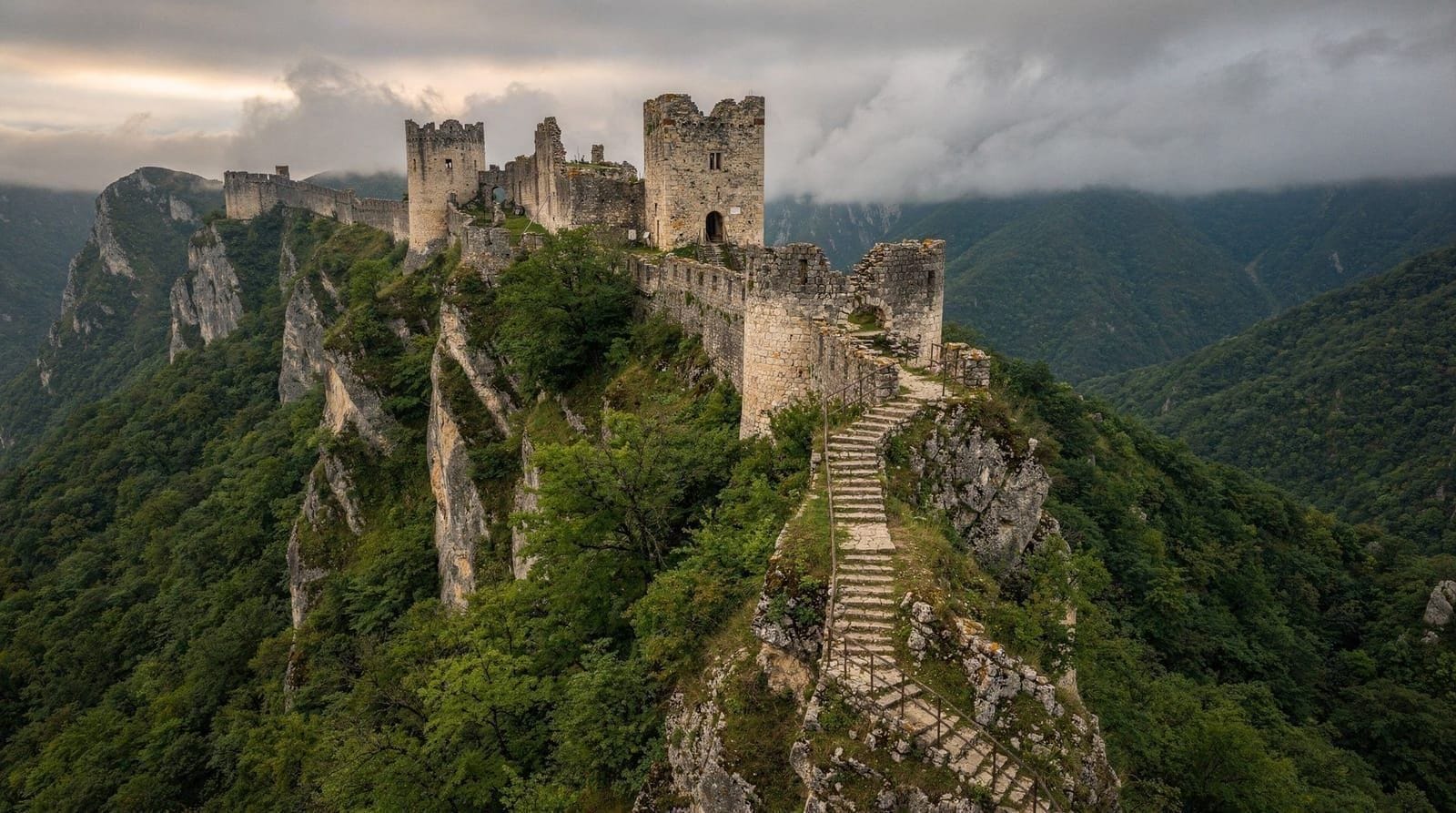
- Poenari Castle (on some tours) — Vlad Țepeș’s real fortress, partially ruined and reached by 1,480 steps up a hillside. The genuine Dracula site, as opposed to Bran. Read the Poenari Castle guide for context.
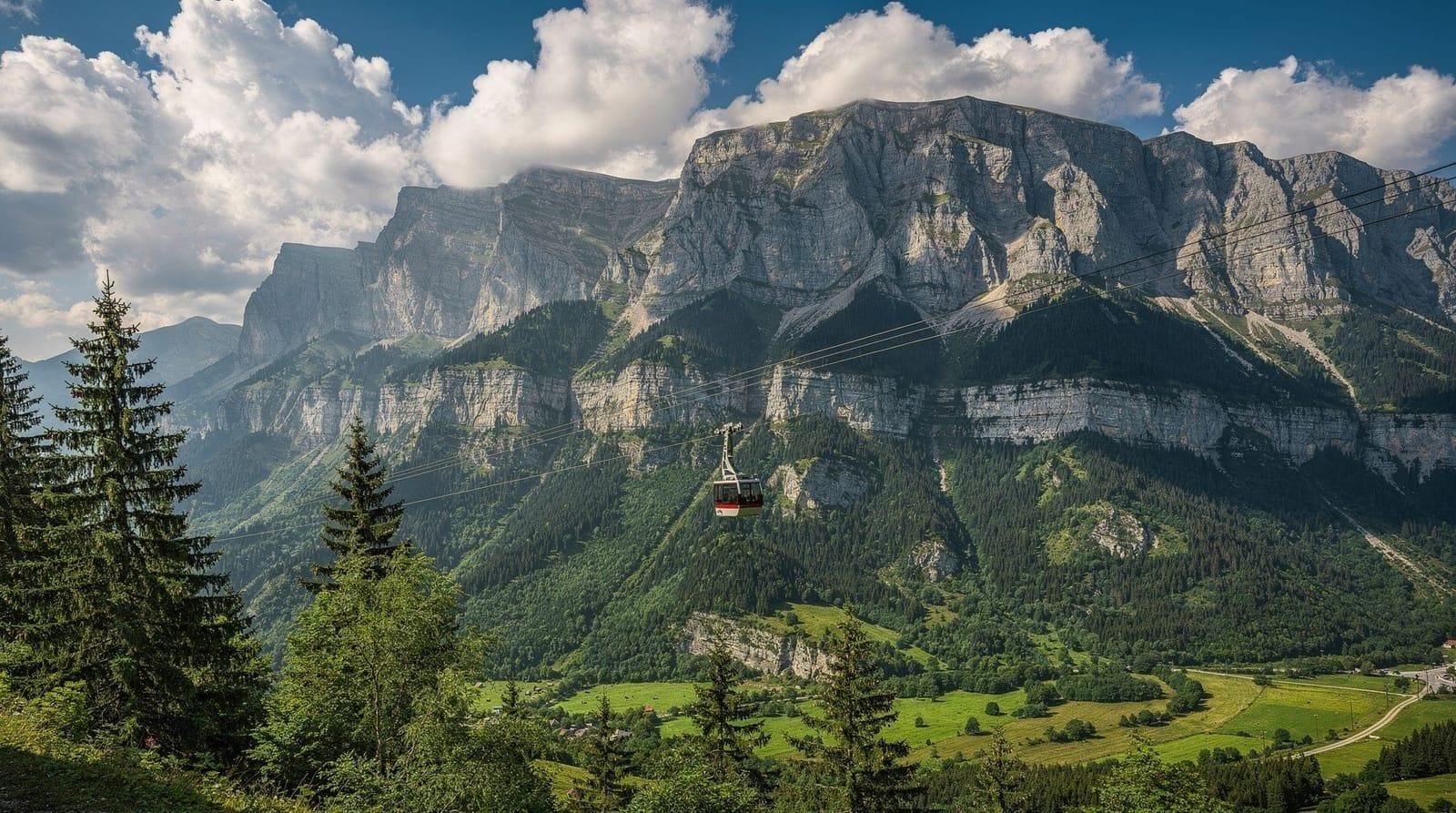
- Bâlea Waterfall — a cascade at around 1,200m where the road makes a sharp bend. Cable car access to Bâlea Lake from here.
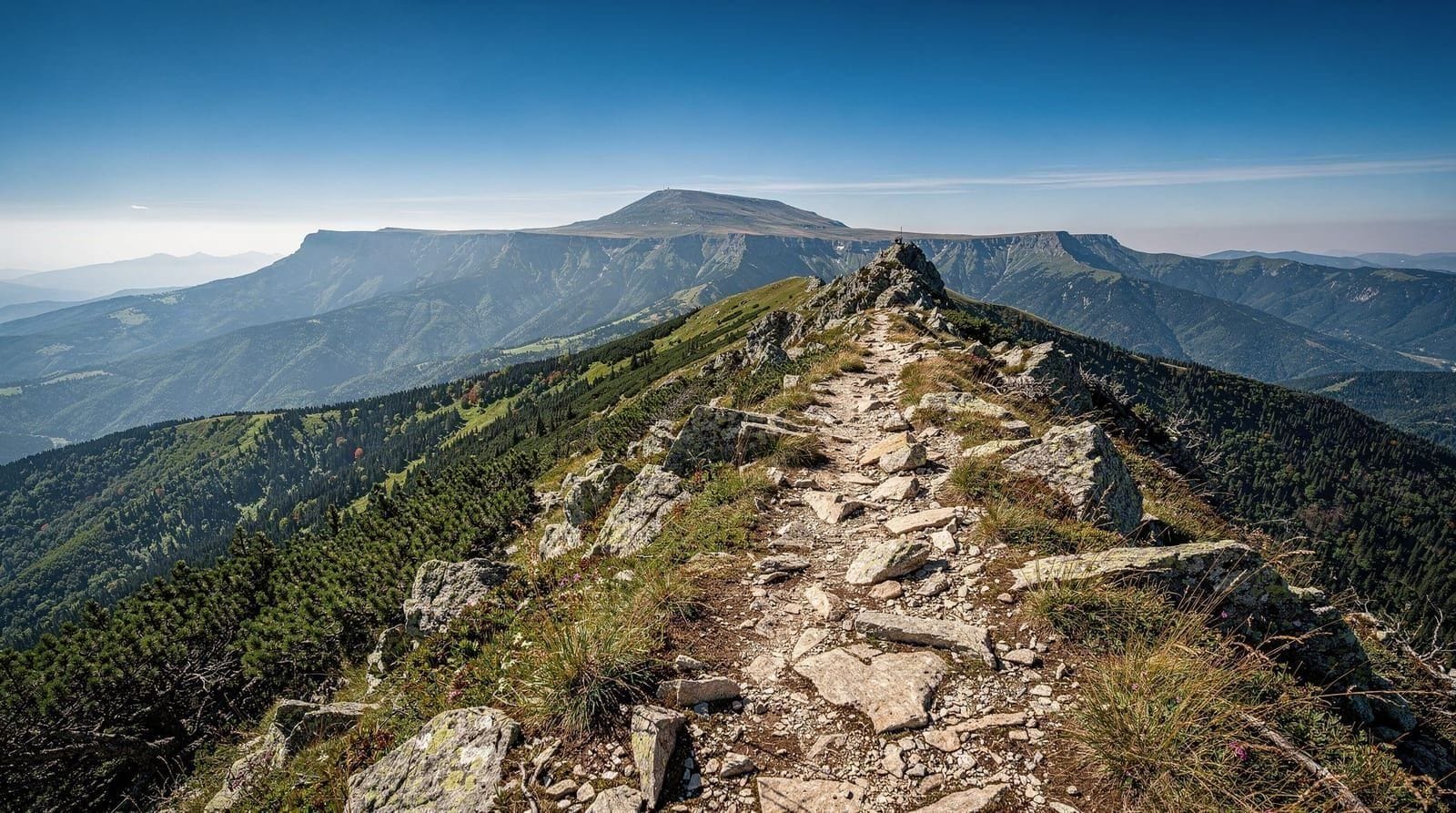
- Bâlea Lake — the glacial lake at 2,034m, surrounded by bare rock, alpine meadows, and frequently mist. A restaurant and a few souvenir stalls operate in summer. The views on a clear day are the highlight of the route.
- Drive over the pass — tours that go north-to-south or south-to-north cross the full mountain section, giving the full hairpin experience.
Tours starting from Brașov
Several Transfăgărășan tours depart from Brașov rather than Bucharest — making sense for travellers based in Transylvania or combining a Brașov stay with the mountain road. These typically approach from the north (Cârțișoara/Sibiu side) and may include the Carta Monastery, an 800-year-old Cistercian ruin at the foot of the mountains on the Transylvania side.
Transfăgărășan and Bâlea Lake from Brașov — includes Carta MonasteryPrivate tours from Bucharest
Private tours for 2–6 people allow more time at Bâlea Lake, flexibility to stop for photography on the hairpins, and optional additional stops. They cost 600–1,200 RON (120–240 EUR) per person depending on group size — expensive but justified if the Transfăgărășan is a primary reason for your Romania visit.
Private Transfăgărășan and Bâlea Lake tour from BucharestPrices in RON and EUR (2026)
- Shared group day tour from Bucharest: 350–500 RON (70–100 EUR) per person
- Private day tour (2–4 people): 600–1,200 RON (120–240 EUR) per person
- Transfăgărășan e-bike tour from Brașov (downhill only): 450–650 RON (90–130 EUR) — a very different and more active experience
- Car rental to self-drive: ~200–350 RON (40–70 EUR) per day for a small car, plus fuel (roughly 200–280 RON / 40–56 EUR round trip from Bucharest)
Honest verdict: is the Transfăgărășan day tour worth it?
Yes, if the road and mountain scenery are your priority — and if you go on a clear day. The Transfăgărășan in cloud and mist (frequent in summer afternoons) is still atmospheric but loses the panoramic views that make the drive exceptional.
The honest trade-off: this is a long day with a lot of driving. Bucharest → pass → Bucharest is 7–9 hours of road time. You arrive at Bâlea Lake and have perhaps 1.5–2 hours there before the return journey. Many travellers find the drive itself as much the point as the destination — the hairpins, the tunnels cut through rock, the sense of altitude. Others find it exhausting.
If you are driving yourself: the Transfăgărășan is genuinely one of the most satisfying drives in Europe. Rent a car from Bucharest, take 2 days (overnight in Curtea de Argeș or at a mountain lodge), and drive the full road. The car rental guide has advice on renting in Romania.
Timing: July and August have the heaviest traffic. September has excellent light, cooler temperatures, and fewer cars. The road typically closes in late October, depending on snow.
Combining the Transfăgărășan with other trips
A 4-day Bucharest and Carpathians itinerary can include the Transfăgărășan on day 3 with a Sinaia overnight on day 2. The Transfăgărășan guide covers the road’s history and driving logistics in depth.
The road’s engineering in detail
The Transfăgărășan was built in four years — 1970 to 1974 — by military construction units working under conditions that would not be acceptable by any contemporary labour standard. The stated reason for the project was strategic: after the Soviet invasion of Czechoslovakia in 1968, Ceaușescu wanted a military supply route over the Carpathians that did not pass through mountain passes already covered by existing roads. An estimated 40 soldiers died during construction, primarily from accidents with explosives used to blast through the granite ridge.
The tunnels are the most striking engineering achievement on the road. The Bâlea tunnel, at 884m long and 2,042m altitude, was drilled through solid rock and provides the only winter crossing point when the road above is closed. Driving through it in summer — after the switchbacks and open mountain — is a sensory contrast: abruptly dark, cold, narrow, dripping with seepage water. Emerge from the north portal and the Transylvanian landscape opens below in a completely different light quality from the southern approach.
Before the pass itself, the approach from the south passes the Vidraru Dam — a dramatic structure that is easy to underestimate from the road. Completed in 1966 on the Argeș River, the dam is 166m high and was at the time of construction one of the largest arch dams in Europe. The artificial lake it created (Lacul Vidraru) is 14 km long and visible from the road for several kilometres. The hydroelectric power station at its base generates electricity for a significant portion of Muntenia. A viewing platform and a striking modernist sculpture (Prometheus, installed 1968) are accessible from the dam crest. Tours that approach from Curtea de Argeș pass the dam approximately 40 minutes before reaching the mountain section — some allow a brief stop; others drive past.
The drive experience section by section
Understanding the road in sections helps manage expectations for how the day unfolds.
Curtea de Argeș to Arefu village (approximately 35 km north of the town): flat Wallachian plain transitioning to foothills. The Argeș river parallels the road. This section is easy driving but scenically unremarkable. Arefu is the last village before the reservoir and the starting point for the path up to Poenari Castle (1,480 steps cut into the hillside — the climb takes 30–40 minutes each way).
Vidraru Dam to Bâlea Waterfall (approximately 40 km): the road climbs through dense mixed forest alongside the Vidraru reservoir, then up the Capra river gorge. The gorge section has the first serious hairpin bends and narrows considerably — two cars can pass but not easily. Bâlea Waterfall (Cascada Bâlea) is a 60m cascade visible from the road. The cable car station (Telecabina Bâlea) departs from here for Bâlea Lake above — tickets approximately 40–50 RON (8–10 EUR) return. This is relevant for tours that include the cable car option.
Bâlea Waterfall to the summit tunnel (approximately 15 km, elevation gain from 1,200m to 2,042m): this is the section most people mean when they talk about the Transfăgărășan. The road makes 27 hairpin bends in this stretch, fully exposed on a bare mountainside above the treeline. Views in all directions. In July and August the roadside meadows have wildflowers; in September the grasses turn gold. Bâlea Lake is just north of the tunnel.
North descent through Cârțișoara (approximately 30 km to the valley floor): the northern face of the Carpathians is steeper and the descent faster than the southern approach. The road passes through beech forest and emerges near the village of Cârțișoara, where the Carta Monastery (an 800-year-old Cistercian ruin) sits at the foot of the mountains. Tours from Brașov that approach from the north typically start here.
Combining Transfăgărășan with Poenari and Curtea de Argeș
The most complete version of the Transfăgărășan day trip uses the south approach and makes two significant stops before the mountain section itself.
Curtea de Argeș is a small city 170 km northwest of Bucharest and 35 km south of the dam. Its Monastery of Curtea de Argeș (built 1512–1517 under Neagoe Basarab) is the burial site of most Romanian kings and queens, including Carol I and Ferdinand I. The exterior carvings — twisted stone columns, intricate geometric patterns, Arabic-influenced ornamental details — are extraordinary and unlike anything else in Romanian ecclesiastical architecture. Allow 30–40 minutes. Entry is free.
Poenari Castle adds 2–3 hours if you climb the steps. The castle itself is a partially ruined 13th–14th century fortress on a rock above the Argeș gorge, associated with Vlad Țepeș (the historical Vlad the Impaler, ruler of Wallachia in 1448, 1456–1462, and briefly in 1476). The climb is steep and relentless — 1,480 steps — but the ruins at the top, and the gorge view, are genuinely dramatic. Unlike Bran Castle, which has almost no verified historical connection to Vlad, Poenari was actually his stronghold. Fit visitors who can manage the climb should include it; those with knee or mobility issues should skip it without regret.
The Transfăgărășan tour with Poenari and Curtea de Argeș includes both stops.
What to wear and pack for the summit
Bâlea Lake at 2,034m is a different weather environment from Bucharest at 80m. The temperature difference is typically 10–15°C — if it is 30°C in Bucharest in August, expect 15–20°C at the lake, with wind on exposed ridges making it feel colder. Cloud and mist are common in summer afternoons, particularly after 14:00 when convective cloud builds over the Carpathians. Morning arrivals consistently have better views.
Minimum clothing: a waterproof or wind-resistant jacket, a mid-layer fleece, and walking shoes rather than sandals. The ground around Bâlea Lake is uneven and often wet. In September, mornings can be cold enough for a hat and gloves. Sunscreen and sunglasses matter at this altitude even when it feels cool.
What to pack for the day: water (there are drinks stalls at Bâlea Lake but no guarantee of stock), snacks (a small mountain restaurant operates at the lake in summer, but queues are long at peak times), camera battery charged, and a power bank — the mountain section has no phone signal and no charging.
Phone signal and practical logistics on the mountain section
Coverage drops out almost completely between Bâlea Waterfall and the north descent into Cârțișoara — plan for roughly an hour with no phone signal, no maps, and no way to call ahead. Download offline maps before leaving Bucharest and let anyone expecting to hear from you know in advance. Fuel is another genuine constraint: the last reliable petrol station on the southern approach is in Curtea de Argeș, and there is nothing on the mountain section itself, so self-drivers should fill up before starting the climb. Parking at Bâlea Lake is informal roadside parking rather than a proper lot, and it fills up by mid-morning in July and August — arriving early solves both the crowding and the parking problem at once.
Best time of year to drive the Transfăgărășan
The road’s short open season is the single biggest planning constraint — get this wrong and there is no tour to book at all.
| Month | Road status | Conditions | Notes |
|---|---|---|---|
| Nov–May | Closed above Bâlea Waterfall | Snow-covered high section | Only the Bâlea tunnel and lower approach roads are usable |
| Late Jun–Jul | Open | Warm, longer daylight | Wildflowers on the meadows; traffic building |
| Aug | Open | Warm, busiest | Heaviest traffic and coach groups; book well ahead |
| Sep | Open | Cooler, clearer | Widely rated the best month — golden grasses, thinner crowds |
| Early–mid Oct | Open, weather-dependent | Cold, early snow possible | Closes as soon as the first serious snowfall hits |
Combining the Transfăgărășan with the rest of a Carpathians trip
The Transfăgărășan is a mountain-road experience rather than a castle visit, which makes it a natural pairing with — not a substitute for — the Sinaia and Peleș Castle day trip or the Transylvania day trip covering Bran, Peleș and Brașov. Travellers with only one day to spend in the Carpathians should pick one or the other rather than trying to combine both — the driving alone in each is 7–9 hours. The Transfăgărășan destination page has additional practical detail, and the best day trips from Bucharest guide ranks all the main options against each other, including the Transfăgărășan, Sinaia, and the full Transylvania circuit.
Frequently asked questions about the Transfăgărășan day tour
When is the Transfăgărășan road open?
The high pass section is open generally from early June/July to late October, depending on snow. Dates vary every year and are announced by CNAIR. The lower sections (Curtea de Argeș side) are open year-round.
How long is the drive from Bucharest?
Bucharest to Bâlea Lake is approximately 190 km (3.5–4 hours). Total driving in a round-trip day tour is 7–9 hours.
What is Bâlea Lake?
A glacial lake at 2,034m near the highest point of the Transfăgărășan road. Alpine setting, cable car access from below, restaurant in summer, dramatic views on clear days.
What is the Top Gear connection?
In 2009 Top Gear named it the best driving road in the world. The road was built 1970–1974 by military conscripts on Ceaușescu’s order as a strategic route over the Carpathians.
Can I do the Transfăgărășan independently by car?
Yes — a rental car is an excellent option. The road is paved but has tight hairpin bends. Fuel up in Curtea de Argeș; no petrol stations on the mountain section.
Does the tour include Poenari Castle?
Some tours include it — check the specific itinerary. Poenari requires climbing 1,480 steps and is the genuine historical Vlad Țepeș fortress.