Sinaia and Peleș Castle day trip from Bucharest — tours honestly reviewed
Sinaia: Movie castle tour from Bucharest Peles Bran cantacuzino
Sinaia is one of the most elegant day trips from Bucharest and one of the most underrated. While most travellers fixate on Bran Castle’s Dracula association, Peleș Castle in Sinaia is architecturally superior, better preserved, and significantly less crowded outside of summer weekends. The mountain town itself — built up as a royal resort in the late 19th century — has a genuine atmosphere that Bran (essentially a castle and a souvenir market) cannot match.
| Where | Sinaia, Prahova Valley — 125km / around 1.5–2hrs north of Bucharest |
| Cost | Tour: 250–350 RON pp; entry tickets about 100–130 RON extra (Peleș 100, Pelișor 30) |
| Time needed | Half day by train, full day (9–10hrs) on a guided tour |
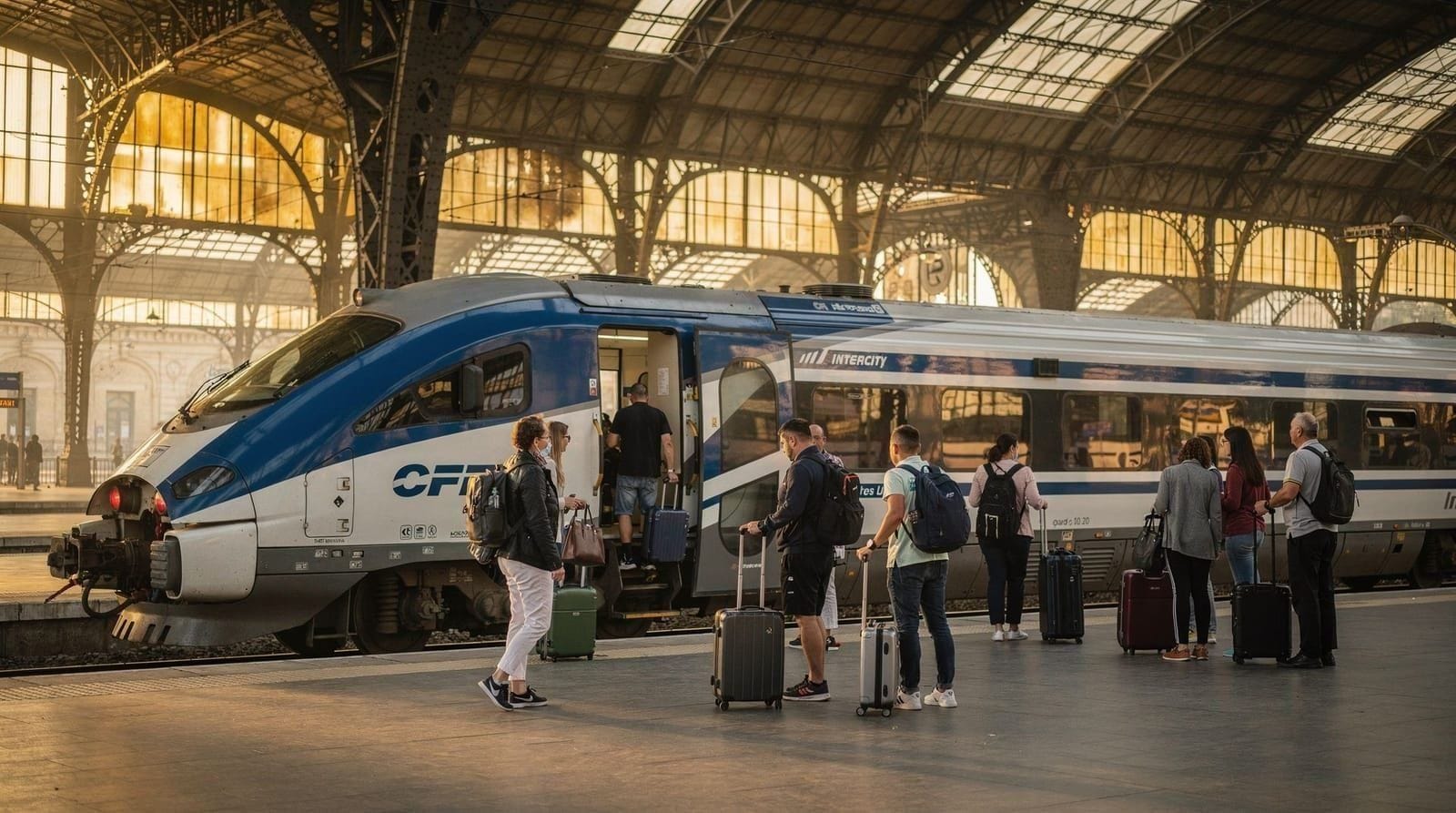
| Getting there | Guided minivan, or CFR train from Gara de Nord (30–50 RON) |
| Best time | Weekday mornings; September for light and smaller crowds |
Peleș Castle: what you actually get
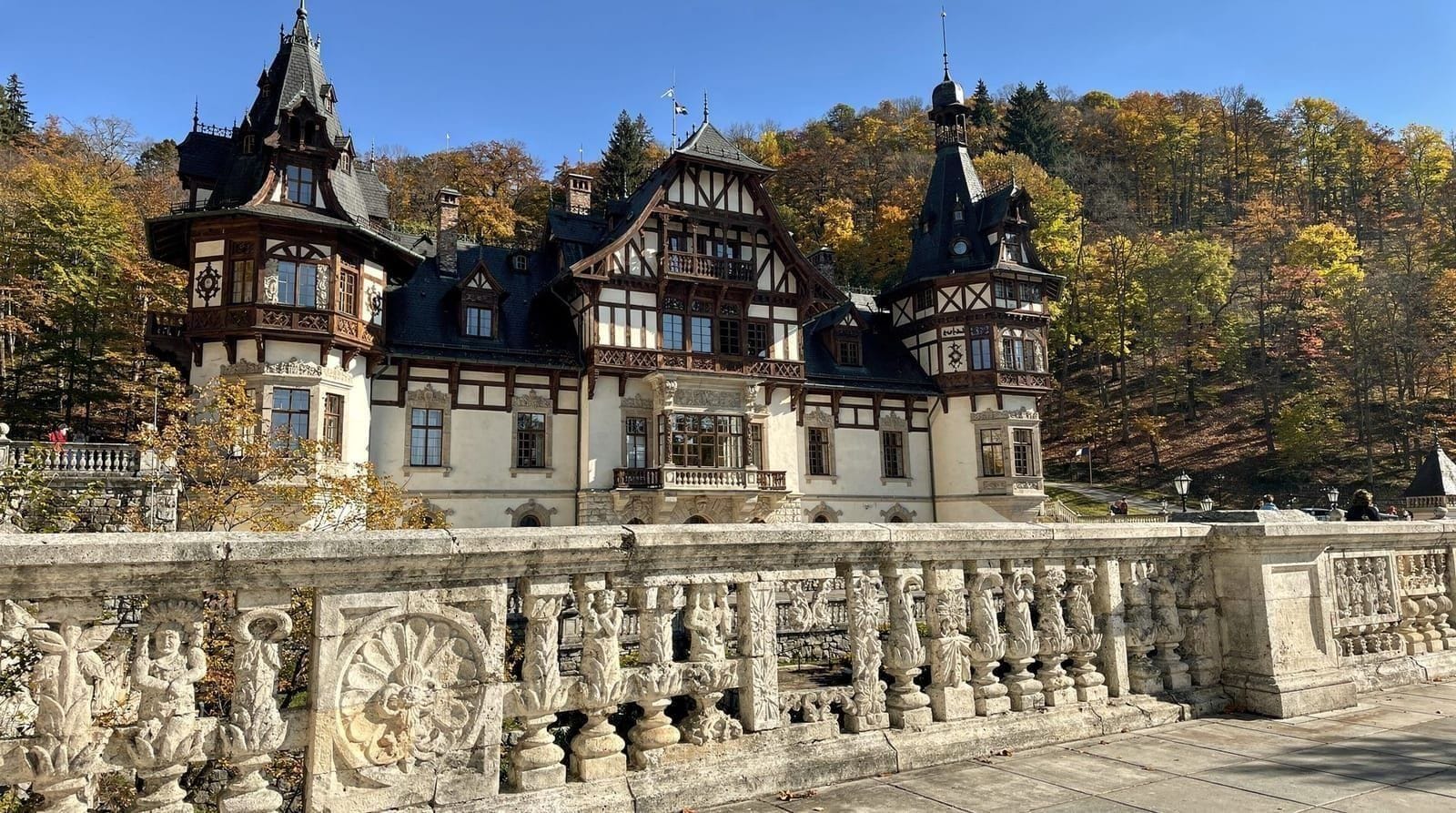
Peleș was constructed between 1873 and 1914 for King Carol I of Romania, a Hohenzollern prince from Germany who was asked to become Romania’s first king in 1866. His brief was to build a modern nation; his personal project was to build a summer palace in the Carpathian mountains worthy of a European monarchy.
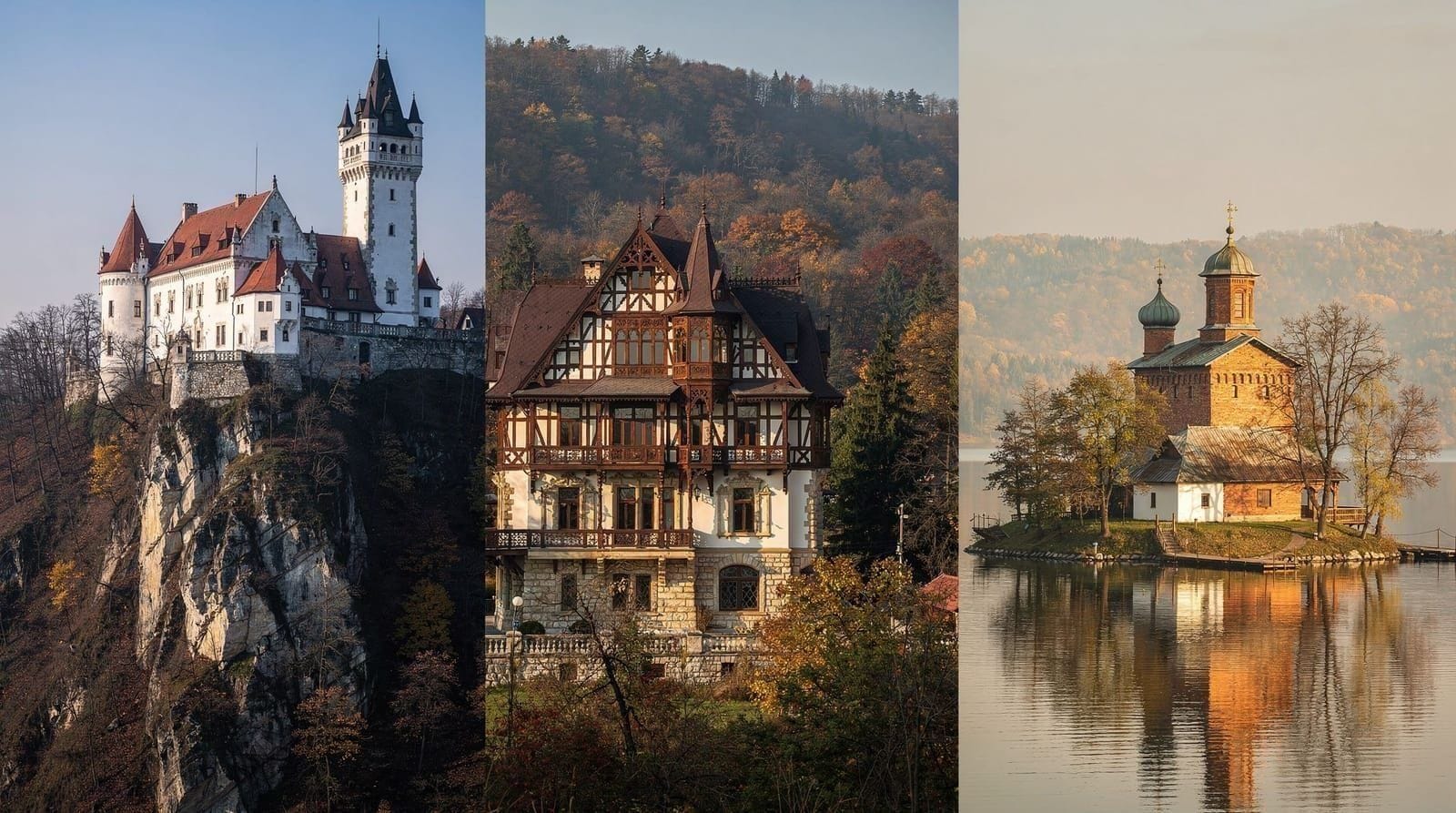
The result is a 160-room neo-Renaissance palace with a distinctive German castle silhouette — towers, turrets, half-timbering — set against a backdrop of dark fir forest and snow-capped peaks (in winter and spring). The interior is extraordinary by any standard: individually themed reception halls, a Moorish-style salon, weapons and armour collections, carved wood ceilings commissioned from Vienna workshops, and one of Europe’s first central heating systems (installed in 1883).
Standard guided tours cover around 35 rooms on three floors over 45–60 minutes. A longer private expert tour covers more floors and allows questions. See the Peleș Castle guide for room-by-room detail.
Entry tickets (not included in most base tours): 100 RON (about 20 EUR) for an adult at Peleș. Amateur photography is allowed without flash and needs no paid permit. The Pelișor Castle next door has a separate entry ticket of 30 RON (about 6 EUR). Peleș is closed on Mondays and Tuesdays all year, and tickets can be bought online at bilete.peles.ro.
Peleș Castle expert guide tour — small groupTours that start from Bucharest
Bucharest-to-Sinaia day tours typically run 9–10 hours and stop at Peleș, Pelișor, and the Sinaia Monastery. Some add Cantacuzino Castle (1km above Peleș). The “movie castle” combo tour adds Bran Castle as a second stop — this makes for a long day but covers the two most iconic castles in Romania.
Movie castles day tour — Peleș, Bran, and Cantacuzino from BucharestPrices for shared Bucharest-to-Sinaia group tours: 250–350 RON (50–70 EUR) per person, excluding castle entry tickets. Private tours for 2–4 people cost 500–900 RON (100–180 EUR) per person.
The separate train option works well for independent travellers: train from Bucharest Gara de Nord, 30–50 RON one-way, 1h20 journey. From Sinaia station a taxi to Peleș costs 20–25 RON (4–5 EUR). Going independently you save the tour fee but lose guide commentary and flexibility on combined stops.
Read our train vs tour guide for a full comparison of the two approaches across all main Bucharest day trips.
Bucharest to Sinaia — Peleș Castle day tripCantacuzino Castle — the rising star
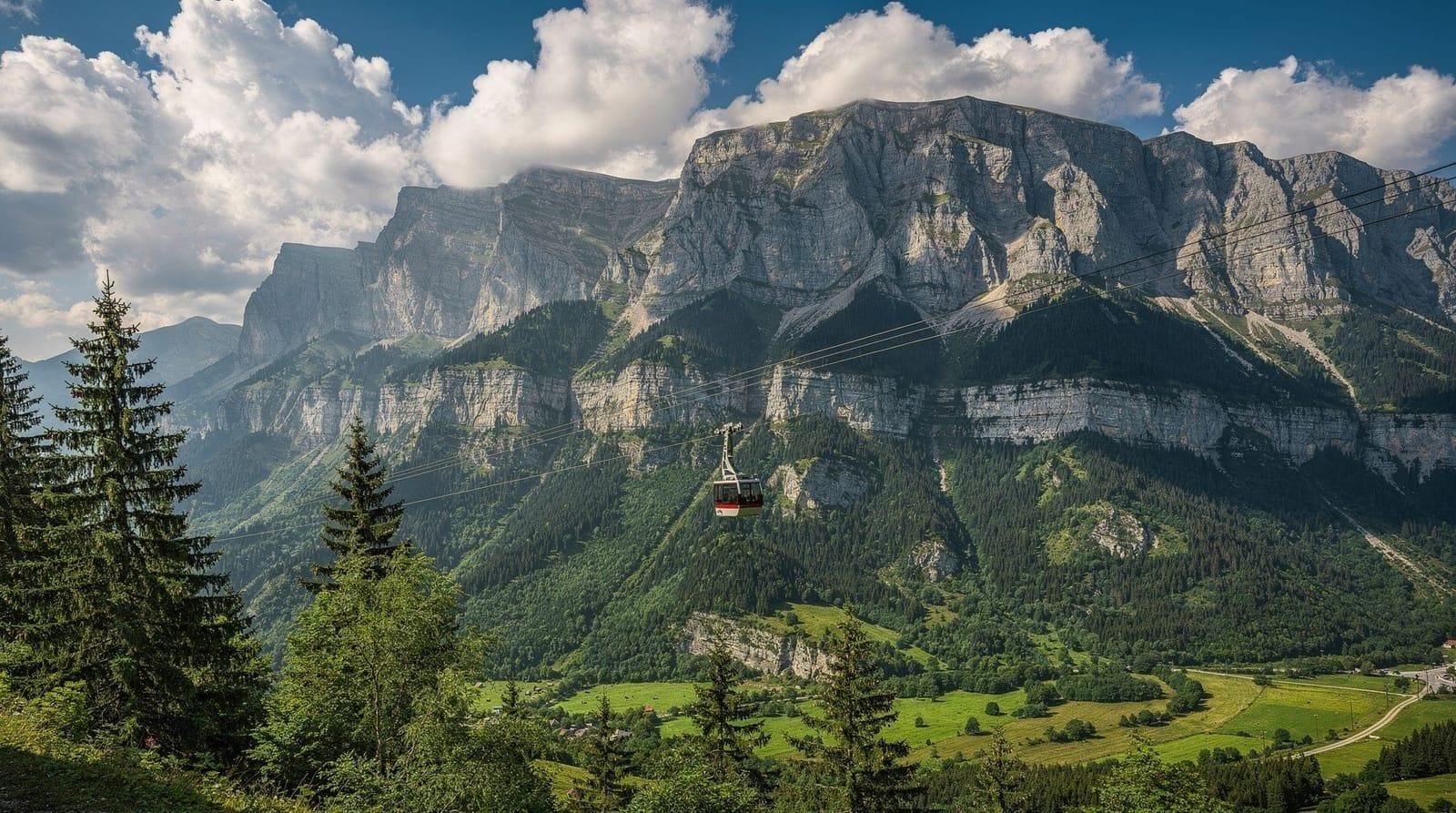
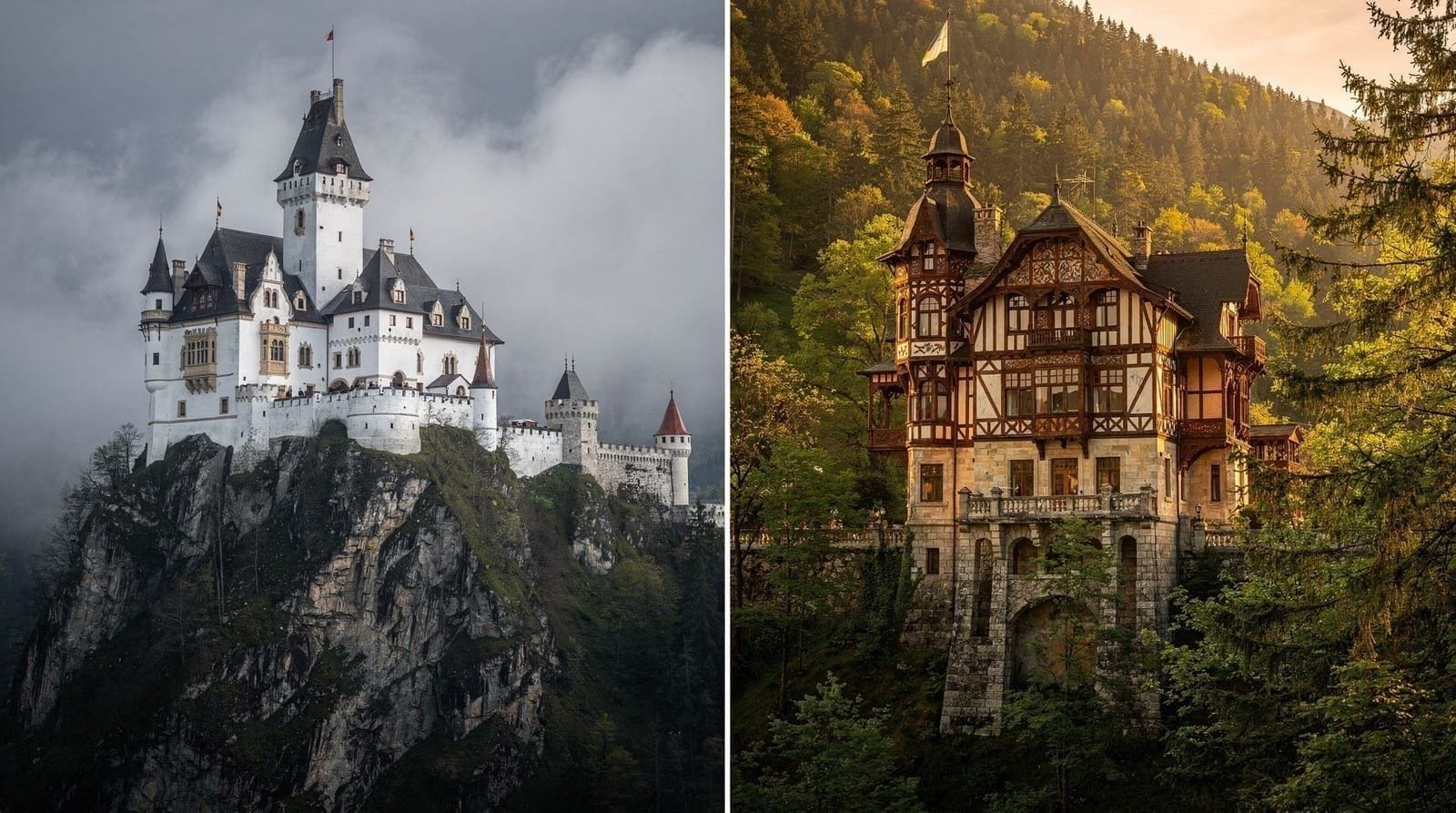
Cantacuzino Castle (1911), about 1 km above Peleș, is increasingly included in day tour itineraries. It was built in neo-Romanian style (a late-19th-century revival movement blending Byzantine and Wallachian folk architecture) and currently houses a museum and a café with panoramic views. Less grand than Peleș but the architecture is distinctive and the view from the terrace is excellent. The cable car near the castle accesses the Bucegi plateau — if you have spare time and reasonable fitness, the views from the top are worth the 20-minute ride.
Read more in our Cantacuzino Castle guide.
Sinaia in the mountains-nature context
Sinaia sits at around 800m altitude in the Prahova Valley, hemmed in by the Bucegi massif to the east and the Gârbova ridge to the west. The Carpathians from Bucharest guide puts the geography in context. Day trips in winter give snow-covered castle views (genuinely striking); summer gives lush forest and open plateau hiking.
Peleș vs Bran: which to prioritise?
If you can only do one castle: Peleș wins on architectural merit, interior quality, and crowd management. Bran wins on romantic associations and the Dracula marketing that brings in the bulk of Romanian tourism. The Bran vs Peleș comparison guide gives a full head-to-head.
Most travellers do both on the same day — the Transylvania combo tour does exactly this. If you are limiting to one, Peleș is the more rewarding visit per hour spent.
Practical notes
- Sinaia can be combined with an overnight stay easily — the town has good accommodation options and the evening light on the castle is beautiful. Consider staying if you want to beat the morning crowds at Peleș (which opens at 9:15 from Thursday to Sunday and at 10:00 on Wednesday).
- Wear comfortable shoes — the path from Sinaia town to Peleș is uphill cobblestone, approximately 1km.
- The Sinaia destination page has practical information on accommodation and dining.
- The Prahova Valley day trip guide has logistics detail including bus and train timetables.
The walk up from Sinaia town to Peleș
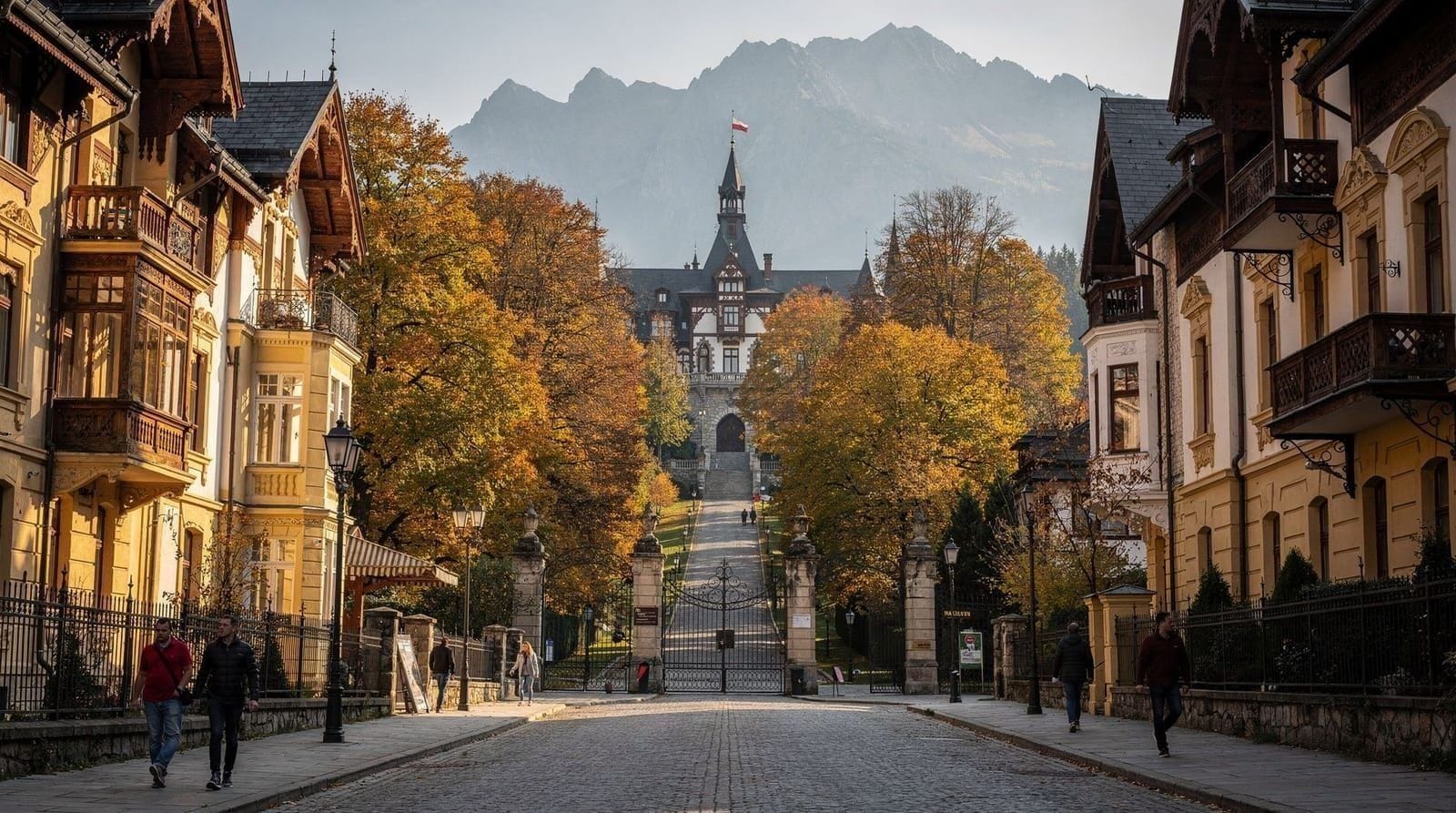
The walk from Sinaia train station to the Peleș complex is one of the most pleasant approaches to any castle in Romania, and it deserves mention rather than being dismissed as mere logistics. From the station, the route leads uphill along Bulevardul Carol I — the town’s main boulevard — past belle époque villas and hotels built during Sinaia’s peak as a royal resort in the 1890s and 1900s.
The Sinaia Monastery is the first major stop on this walk, roughly 15 minutes from the station. Founded in 1695 by Mihail Cantacuzino and rebuilt in the 18th and 19th centuries, it is a functional Orthodox monastic complex with two churches, a small museum of religious objects, and well-kept grounds. The older church (1695) has well-preserved 18th-century frescoes; the newer church is larger and more decorative. Entry to the monastery grounds is free; the museum charges a small fee. Allow 20–30 minutes.
From the monastery, continuing uphill for another 15–20 minutes (the total elevation gain from town is about 100m) brings you to the main Peleș complex gate. The path is paved cobblestone and moderately steep — comfortable shoes are not optional. Sinaia sits at about 800–860m altitude, and the Peleș complex is a further 100m higher, putting the castle at around 950m. In summer this is pleasant; in April and November the cobblestones can be wet and slippery.
Taxis from Sinaia station to the castle gate cost 20–25 RON (4–5 EUR) and take 5 minutes — a reasonable choice if mobility is a concern or if time is tight.
Pelișor Castle vs Peleș — what the second castle actually offers
Pelișor Castle stands about 150m uphill from Peleș and is often treated as an afterthought — a shorter queue, a smaller ticket price, less impressive on the outside. This underestimates it significantly.
Pelișor was built in 1899–1903 for Crown Prince Ferdinand and his wife Marie, a British-born princess (granddaughter of both Queen Victoria and Tsar Alexander II). While Peleș reflects King Carol I’s Germanic aesthetic — formal, rich, heavy — Pelișor is Queen Marie’s creation, and it is fundamentally different in character. Marie was influenced by the Arts and Crafts movement and Art Nouveau, and the interiors she designed are lighter, more personal, and in some respects more interesting than the grander palace below.
The Golden Room (Salonul de Aur) is the most famous interior — Marie’s private bedroom designed in Byzantine-influenced gold and turquoise, combining Orthodox iconography with Art Nouveau forms. The room is small but distinctive. The chapel she designed for herself is similarly personal. Her study is preserved with her desk, correspondence cabinet, and the kind of objects that give a sense of a specific individual rather than a generic monarchy.
Entry to Pelișor: 30 RON (about 6 EUR). The guided tour takes about 30–40 minutes and covers the main floor of the castle. Photography is not permitted in the interior. The exterior of the castle, with its neo-Gothic towers and Art Nouveau ornamental details, is worth 10 minutes of examination before going in — it is architecturally more adventurous than Peleș from the outside.
Visitors who skip Pelișor in favour of spending more time at Peleș are making a reasonable call — but those with a particular interest in 20th-century decorative arts, in Queen Marie’s remarkable life, or in Art Nouveau interiors will find Pelișor the more distinctive of the two experiences.
Eating in Sinaia
Sinaia has a reasonable restaurant offering for a mountain resort town of its size, with options ranging from quick café stops to full-service traditional Romanian meals.
The Montana hotel area (on Bulevardul Carol I, walking distance from the monastery) has several cafés and restaurants that cater to both resort guests and day visitors. The hotel Montana’s restaurant is a reliable choice for Romanian mountain food — mămăligă (polenta with sour cream and cheese), ciorbă de burtă (tripe soup, an acquired taste but a genuine Romanian staple), and grilled meats. Prices are moderate: a full meal with a drink runs 80–120 RON (16–24 EUR) per person.
For lighter stops, several cafés near the Peleș complex gate operate in season (May–October), selling coffee, pastries, and snacks at tourist-area prices — expect to pay 15–25 RON (3–5 EUR) for a coffee and cake. These are convenient but not remarkable.
The cable car station on Cumpătu ridge (accessible by cable car from the lower Sinaia cable car station on Str. Cuza Vodă, cost approximately 35–40 RON / 7–8 EUR return) has a small restaurant at the top with views over the Prahova Valley — worth considering if you extend your visit to include the cable car. The cable car itself accesses the ski runs of the Bucegi plateau, which in summer become hiking terrain. Even a 20-minute walk from the upper station gives sweeping views that no one at Peleș level sees.
Best time of year to visit Peleș and Sinaia
Sinaia sits at altitude, so the season changes the visit more than it would in Bucharest. Weekday mornings beat weekend afternoons at any time of year — Peleș opens at 9:15 (Thursday to Sunday) and the first hour is consistently the quietest.
| Season | Weather | Crowds | Notes |
|---|---|---|---|
| Dec–Feb | Cold, snow likely, -5 to 5°C | Moderate (Christmas market period busy) | Castle courtyard and roofline look genuinely striking under snow |
| Mar–May | Mild, changeable, 5–18°C | Low–moderate | Good value season; cobblestone path can be wet |
| Jun–Aug | Warm, 18–28°C | High, especially weekends | Book tours ahead; arrive at opening to beat coach groups |
| Sep–Oct | Mild, 10–20°C, clearer light | Low–moderate | Widely considered the best window — good light, thinner crowds |
| Nov | Cold, damp, transitional | Low | Some cable car and outdoor services scale back |
Getting to Sinaia: comparing your options
Beyond the guided tour and the independent train covered above, a private car is a third realistic option for small groups or families wanting to set their own pace.
| Option | Cost per person | Time | Best for |
|---|---|---|---|
| Guided group tour | 250–350 RON | Full day (9–10hrs), fixed schedule | First-time visitors, no car, want commentary |
| Train (Gara de Nord) | 30–50 RON + taxi | Half day, flexible | Independent travellers comfortable navigating alone |
| Private tour/car (2–4 people) | 500–900 RON | Full day, flexible pace | Families, photographers, combining with Cantacuzino or Bucegi cable car |
Combining Sinaia with other Carpathian stops works well on a longer trip: the castles of Romania 3-day itinerary builds a route around Peleș, Bran, and Brașov, and our Transylvania day trip review covers the all-in-one version that adds Bran Castle and Brașov to a Sinaia stop. For the mountain drive itself rather than the castles, see our Transfăgărășan day tour review.
Frequently asked questions about the Sinaia and Peleș day trip
How far is Sinaia from Bucharest?
Sinaia is 125 km north of Bucharest, approximately 1.5–2 hours by car or train. The CFR train from Gara de Nord takes about 1 hour 20–45 minutes and is an excellent independent option.
Is Peleș Castle worth visiting?
Yes — it is one of the most beautiful royal palaces in the Carpathians, architecturally richer than Bran Castle and less crowded outside summer weekends.
Can I visit Sinaia without a tour?
Easily — the train runs regularly and is affordable. Tours add guide commentary and combined stops.
What is the difference between Peleș and Pelișor castles?
Peleș is the main palace (1873–1914). Pelișor is a smaller Art Nouveau residence 150m away, built for Crown Prince Ferdinand and Queen Marie.
When is the Transfăgărășan road open?
Generally from early June or July to late October, depending on the snow; CNAIR announces the dates each year. Outside this window the road is closed by snow.
What else is in Sinaia worth seeing?
The Sinaia Monastery (1695), Cantacuzino Castle, and the cable car to Bucegi plateau are all worthwhile stops.