Castles of Romania — 3-day castle-hopping itinerary
Bucharest: Private day trip to Dracula's castle
Romania has three castles that can credibly anchor a short trip: Peleș (a royal palace of extraordinary quality), Bran (heavily marketed as Dracula’s Castle with a more complicated reality), and Poenari (a genuine medieval ruin connected to Vlad Țepeș, accessible by 1,480 steps). This 3-day itinerary visits all three and gives you the honest version of each.
A car is needed for this itinerary. The three castles form a rough triangle in the southern Carpathians — no single public transport route connects them efficiently.
| Where | Sinaia, Bran, Poenari (southern Carpathians) |
| Cost | Around 450–650 RON/day per person, plus car hire |
| Time needed | 3 days, car required |
| Getting there | Hire car from Bucharest (OTP or downtown) |
| Best time | April–October; Poenari’s steps can close in winter |
The three castles — what you actually get
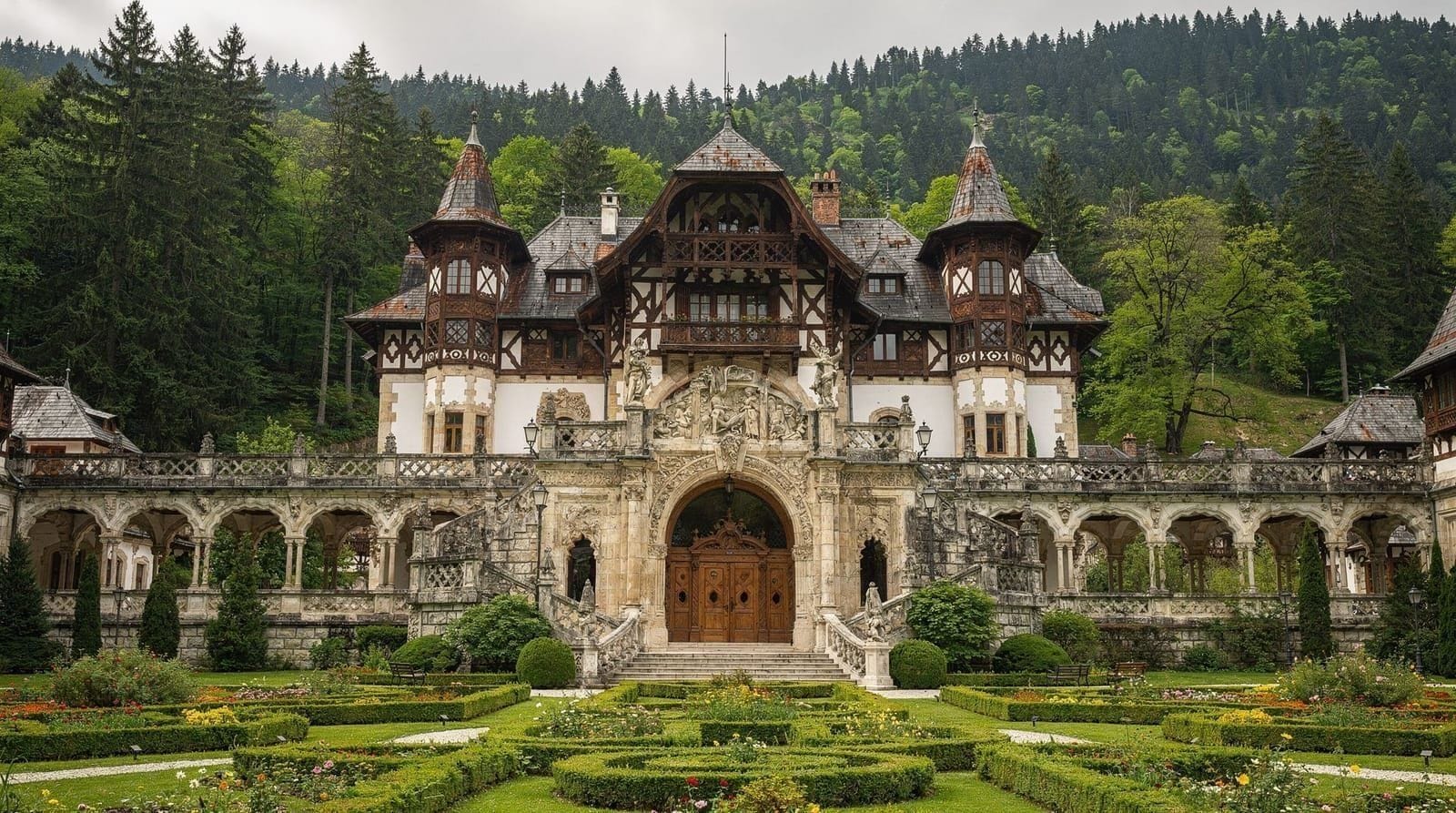
Peleș Castle: The highest quality royal residence in the region, fully furnished, with guided tours that cover the architectural and political history of Romania’s Hohenzollern dynasty. The least gimmicky of the three; the most genuinely impressive interior.
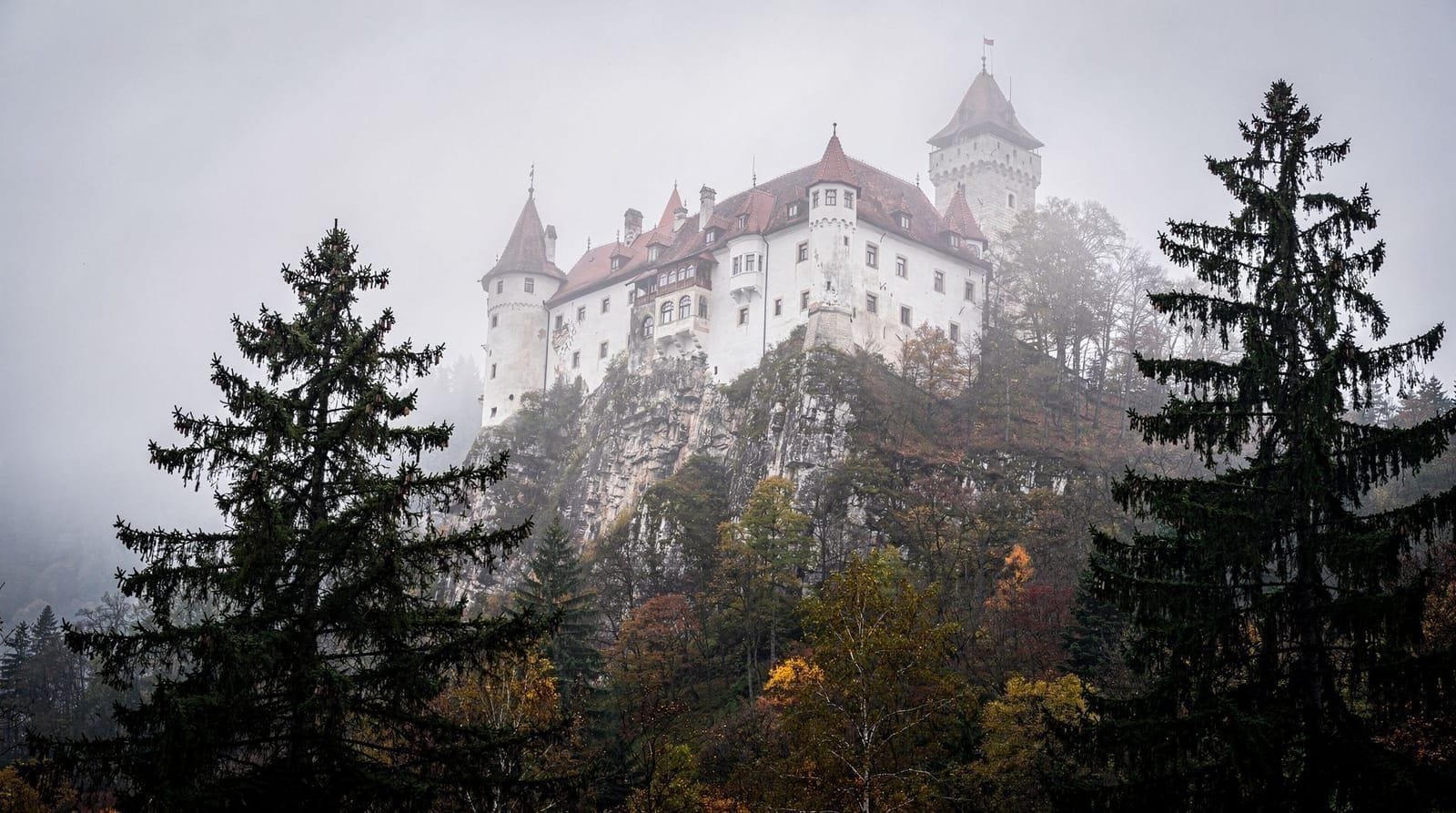
Bran Castle: The internationally famous “Dracula’s Castle.” Architecturally striking medieval fortress. The Dracula connection is primarily a marketing construct (Bram Stoker’s novel; Vlad Țepeș’s actual connection is unverified). Read is Bran really Dracula’s castle? before forming expectations.
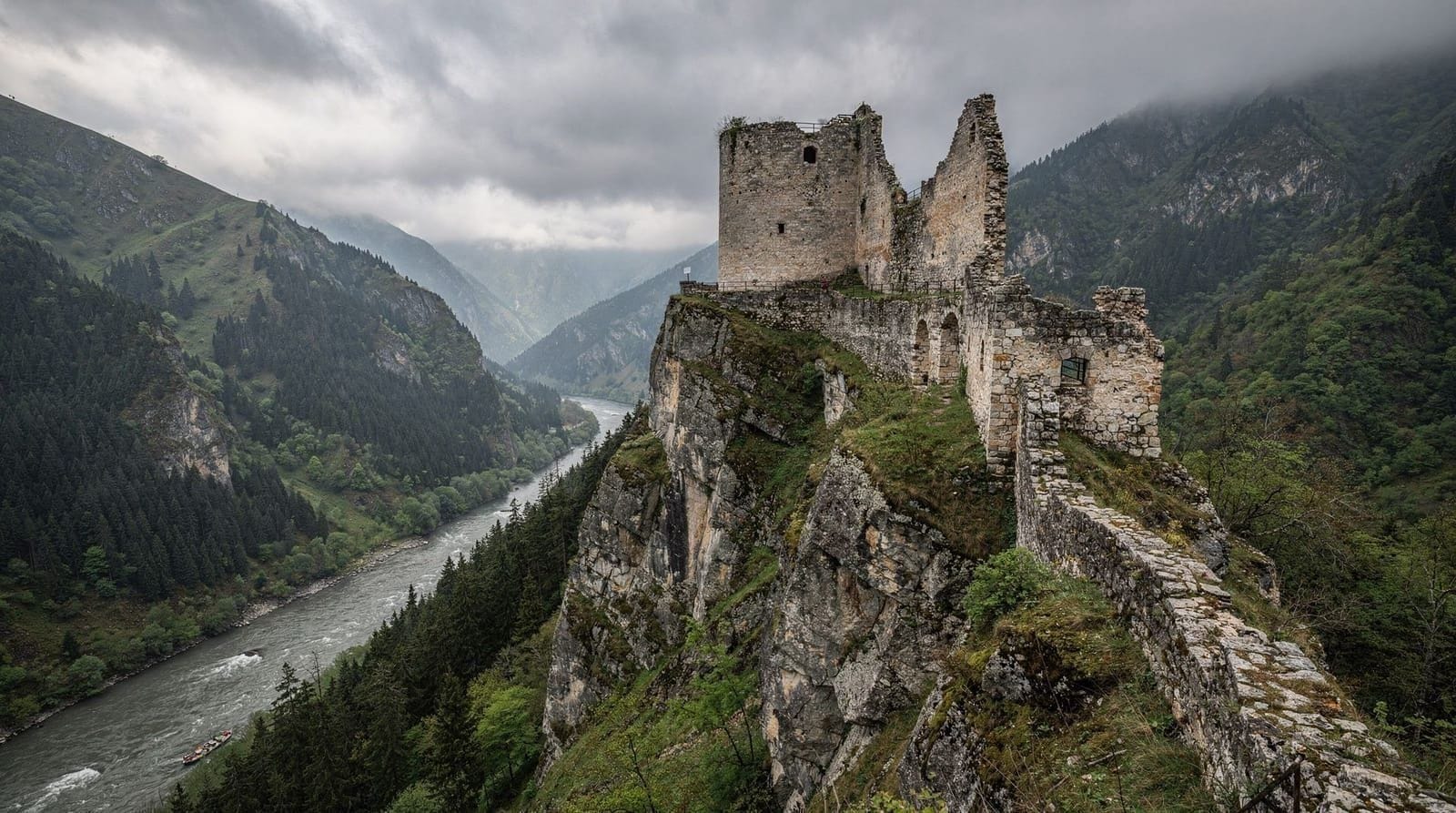
Poenari Castle: The ruin most directly connected to Vlad Țepeș — he strengthened it in the 15th century and used it as a military base. Requires climbing 1,480 steps. Not polished or touristy. The most historically honest of the three.
Three days at a glance
| Day | Focus | Overnight |
|---|---|---|
| Day 1 | Peleș & Pelișor Castle (Sinaia) | Sinaia or Bran area |
| Day 2 | Bran Castle & Râșnov Fortress | Brașov area |
| Day 3 | Poenari Castle & return to Bucharest | — |
Day 1: Bucharest to Peleș Castle (Sinaia)
Morning: Depart Bucharest early
Pick up your hire car in Bucharest (downtown agencies or OTP Airport desks). Drive north on the A3 motorway toward Ploiești, then northwest on DN1 through the Prahova Valley. Aim to arrive in Sinaia by 10:00 to beat the tour group buses.
Sinaia train station has taxis and the cable car station nearby — but if you’re arriving by car, park near the monastery and walk up the Aleea Peleșului footpath (1.5km through pine forest) to the castle.
Peleș Castle — full visit
Peleș Castle is the centrepiece of this itinerary. It deserves the most time. The standard tour (100 RON) covers the main halls — the Hall of Honour, the Florentine Hall, the Moorish salon. The extended tour (120 RON) includes the private royal apartments and gives access to upper floors.
Pre-book for July–August when queues can stretch to 90 minutes. The castle is closed on Mondays and Tuesdays; tickets are sold online at bilete.peles.ro.
After the main castle, walk 200m further uphill to Pelișor Castle (30 RON) — Crown Prince Ferdinand and Queen Marie’s personal residence, decorated in Art Nouveau and Celtic revival style. Significantly quieter than Peleș, worth 45–60 minutes.
See the Peleș Castle guide and the castles near Bucharest guide for context on the royal history.
A Sinaia movie castle tour covers Peleș, Bran, and Cantacuzino Castle with a guide who contextualises the royal and Dracula narratives — useful if you prefer not to self-guide these first visits.
Afternoon: Sinaia town and Cable Car (optional)
If you have energy after the castles, the Sinaia Cable Car to Cota 1400 (70 RON return) gives Carpathian views in 15 minutes. Or walk the pedestrian promenade and have lunch — the town has several good restaurants along Bulevardul Republicii.
Evening: Stay near Sinaia or drive to Bran area
Option A: Stay in Sinaia overnight (Hotel Sinaia, Hotel Caraiman, ~200–280 RON/night) and drive to Bran in the morning (70km, 1h10).
Option B: Drive to Bran or Brașov in the late afternoon (70–80km, 1h10 to 1h30) and stay there, giving you more morning time at Bran before tour groups arrive.
Day 2: Bran Castle and Râșnov Fortress
Early morning: Bran Castle before the crowds
Bran Castle receives most of its visitors between 10:00 and 14:00, when day-trip buses from Bucharest and Brașov arrive. Arriving at 08:30–09:00 (when gates open) gives you approximately 90 minutes of quieter access.
Entry: from about 40 RON (exact price on bran-castle.com). The castle interior covers 60 rooms over 4 floors — Queen Marie of Romania (who owned it from 1920) furnished many of the rooms, giving it a lived-in atmosphere that Peleș, despite its grandeur, doesn’t quite match. The tiny interior courtyard is a perfect medieval miniature.
On the Dracula myth: The castle’s connection to Bram Stoker is zero (he never visited Romania). Its connection to Vlad Țepeș is one unverified overnight stay recorded in 1462. The guides are honest about this if you ask. The Bran Castle guide has the full history.
A private day trip to Bran and Peleș from Bucharest covers both castles with a private guide — the most flexible option if you want to ask specific historical questions at each site.
The craft market outside Bran
The 200-stall market between the car park and the entrance sells a lot of mass-produced Dracula merchandise. There are also a few stalls with genuine local products — hand-embroidered linens, local pottery, Transylvanian honey. If you’re buying, take time to distinguish the authentic from the factory-produced.
Midday: Lunch in Bran village
The restaurants inside the castle ticketed area charge inflated tourist prices. Walk 5 minutes into Bran village for traditional food at local prices — traditional beef goulash, mici (grilled minced meat rolls), and sarmale at 50–80 RON for a full meal.
Afternoon: Râșnov Fortress
Râșnov Fortress (15 min drive north of Bran, 25 RON entry) is a 13th-century citadel on a hilltop above the town. Less visited and less polished than Bran — no souvenir market, a long internal well (allegedly 143m deep, dug by Turkish prisoners), and sweeping views of the Bârsa Depression.
The Râșnov destination page covers the fortification history and practical visiting information.
Late afternoon: Brașov (optional)
If you’re staying near Brașov, the Old Town is 25km north of Bran (25 min drive). Piața Sfatului and the Black Church are worth an evening walk. For a full Brașov experience, see the Brașov day trip guide.
Day 3: Poenari Castle and return to Bucharest
Morning: Drive to Poenari (via Curtea de Argeș)
From Bran/Brașov, drive south through the mountains to Curtea de Argeș (approximately 2h via Câmpulung Muscel). En route, stop at the Curtea de Argeș Monastery — the royal burial church of Romania’s kings, with a distinctive Wallachian-Byzantine style (free entry, donations expected).
Poenari Castle is 25km north of Curtea de Argeș on the Transfăgărășan Road (DN7C).
Poenari Castle — the real Dracula’s fortress
Poenari Castle requires climbing 1,480 steps from the valley floor — steep, with handrails, generally taking 35–50 minutes. Entry is 20 RON. The castle itself is a ruin — partial towers, crumbling walls, a small chapel foundation — but the position is extraordinary: a spur above the Argeș River gorge, visible for miles.
Vlad Țepeș strengthened the existing fortress in the 1450s and used it as a defensive refuge from Ottoman attack. The legend of his wife’s suicide (she threw herself from the ramparts rather than be captured) is associated with this exact location. Whether true or not, the setting makes it plausible.
The Poenari Castle guide has the full historical context. This is the most honest stop on any Dracula tour — no commercial gloss, just a genuine medieval ruin in a dramatic landscape.
Physical note: The 1,480 steps are real and demanding. This is not suitable for visitors with mobility limitations or in very hot weather. Bring water and wear appropriate footwear. The descent is harder on the knees than the ascent.
Afternoon: Return to Bucharest
From Poenari, drive south through Curtea de Argeș and west on the A1/A2 motorway toward Bucharest (approximately 2h30). Drop the hire car at OTP Airport if flying out, or return to central Bucharest.
Optional extension: If the Transfăgărășan Road is open (July–October) and you have time, drive north from Poenari up to Bâlea Lake (2,034m) before returning south — adds 2 hours but is spectacular. See the Transfăgărășan guide.
A private Curtea de Argeș and Transfăgărășan tour is a good option for day three if you’d rather not self-drive the mountain section after the Poenari steps — it covers the monastery, Poenari and the Transfăgărășan approach with a driver-guide.
Cantacuzino Castle — worth adding?
Cantacuzino Castle in Bușteni (between Sinaia and Brașov, on the Prahova Valley route) is a 20th-century neo-Romanian style palace with a good museum of Romanian royal history. Entry is 40 RON. It’s architecturally less impressive than Peleș but far less crowded, and the gardens are beautiful. Adds 1.5 hours to the Day 1 route if you stop en route.
See the Cantacuzino Castle guide for visiting details.
Tour option — 2 castles in 1 day from Bucharest
If you’re time-pressed and want to visit Bran and Peleș in a single day from Bucharest (without the 3-day structure):
The 2-castles Transylvania day trip from Bucharest covers Peleș and Bran in 10–12 hours, returning to Bucharest in the evening. It’s a long day, but efficient for visitors with limited time. See Bran + Peleș + Brașov in one day for logistics on the one-day version.
If castles aren’t the only priority
This itinerary is deliberately castle-focused and skips Brașov’s old town, Sibiu and Sighișoara. If you want the castles plus a proper Transylvanian city, the Bucharest and Transylvania 5-day itinerary folds Peleș and Bran into a route that also gives Brașov real time. If mountain scenery matters more than a third castle, consider swapping Poenari for the Transfăgărășan Road directly — see the Carpathians 4-day itinerary for that version.
Photographing the castles
Peleș photographs best in the first hour after opening, before tour groups fill the courtyard — arrive at 09:00 if the castle opens then. Bran’s exterior is most dramatic from the meadow below the main car park, away from the crowds at the entrance bridge. Poenari rewards patience: the ruin itself is modest, but the gorge views from the top are the actual reward, best in clear morning light rather than the hazy midday.
Frequently asked questions about this castle itinerary
What’s the difference between Peleș and Bran?
Peleș is a royal palace — fully furnished, impeccably maintained, with guided tours of 160 rooms. Bran is a medieval fortress — smaller, more atmospheric, with a complex history and a heavily marketed Dracula identity. Peleș has higher quality interiors; Bran has a more dramatic exterior. See the Bran vs Peleș castle guide.
Is Poenari Castle accessible for all fitness levels?
No. The 1,480 steps are steep and there is no alternative access route. Visitors with mobility limitations, cardiovascular conditions, or young children may find it impractical. The ruin at the top is also rough terrain without railings in places. It is, however, one of the most rewarding physical efforts on the entire Romanian tourist circuit.
How long does each castle take?
Peleș: 2–3 hours for standard + extended tour and gardens. Bran: 1.5–2 hours for the interior and village walk. Poenari: 2.5–3 hours including the 1,480-step ascent and descent. Total for all three: approximately 7–9 hours of castle time, not including drives between them.
Are the castles open year-round?
Peleș: Closed every Monday and Tuesday (and some national holidays), and closed 2 November–1 December 2026. Bran: Open year-round, 7 days/week (Mondays from 12:00). Poenari: Open April through October — the steps can be icy and closed in winter months. Always check opening hours on the respective official websites before visiting.
Can I do all three castles in 2 days instead of 3?
Possible but pressured. Day 1: Peleș (2–3h) + Bran (2h) = long day. Day 2: Poenari + return to Bucharest. The main risk is being rushed at Poenari and not having time for the steps at a comfortable pace. Three days is recommended for anyone who wants to go beyond the checklist.
Do I need to book castle tickets in advance?
For Peleș in July–August, yes — online booking avoids the 90-minute queue. Bran and Poenari generally don’t require advance booking outside major holidays, though Bran can still have a wait at the entrance gate during peak midday hours. If you’re pressed for time, booking Peleș ahead is the single most useful thing you can do for this itinerary.
Top experiences
Bookable activities with verified prices and instant confirmation on GetYourGuide.