The Dracula trail — 4-day Romania itinerary
Bucharest: The real Dracula tour
Most “Dracula” tours in Romania show you one place — Bran Castle — and call it done. This itinerary does something different: it follows the actual historical Vlad Țepeș across the landscape he controlled, from his documented tomb at Snagov to his real fortress at Poenari, with Bran as the commercial final act.
This is a historically honest itinerary. That means acknowledging that Bram Stoker’s Dracula is a fiction, that Bran’s connection to Vlad is tenuous at best, and that Poenari (where Vlad actually ruled from) is far more interesting than the tourist circuit admits.
| Where | Bucharest → Snagov → Argeș Valley → Poenari → Bran/Brașov, then back to Bucharest |
| Cost | around 350–500 RON/day per person, incl. car, fuel, meals and basic accommodation |
| Time needed | 4 days / 3 nights, roughly 600km of driving |
| Getting around | rental car essential — Poenari and Snagov are not served by public transport |
| Best time | April–June or September–October for weather and crowds |
The real Dracula vs. the marketed version
Vlad III Țepeș (1431–1476) was a real person — Prince of Wallachia, known for impaling his enemies on stakes as a psychological warfare tactic. Bram Stoker borrowed the name “Dracula” (from Vlad’s father’s title, Order of the Dragon) and some geographical details, then invented everything else. Stoker never visited Romania.
The marketed “Dracula’s Castle” at Bran has no documented connection to Vlad beyond a single unverified overnight visit. His actual castles are at Poenari (genuinely his; a ruin now) and at Târgoviște (Curtea Domnească, partially preserved). His tomb is likely at Snagov Monastery, though this is disputed.
Read real Dracula vs Hollywood, Vlad the Impaler sites and the truth about Dracula’s castle before you go — the context transforms everything. If you want the wider picture of fortresses in the region, the castles near Bucharest guide sets Poenari and Bran against Peleș and Cantacuzino, which are not part of the historical Vlad story but often get lumped in by tour marketing.
A car is essential for this itinerary. Poenari and Snagov are not accessible by public transport. Allow around 350–500 RON/day per person including accommodation, meals and fuel — see the Bucharest daily budget guide for how that compares with a standard city day.
Day 1: Bucharest — the urban Vlad trail
Morning: Vlad’s Bucharest connections
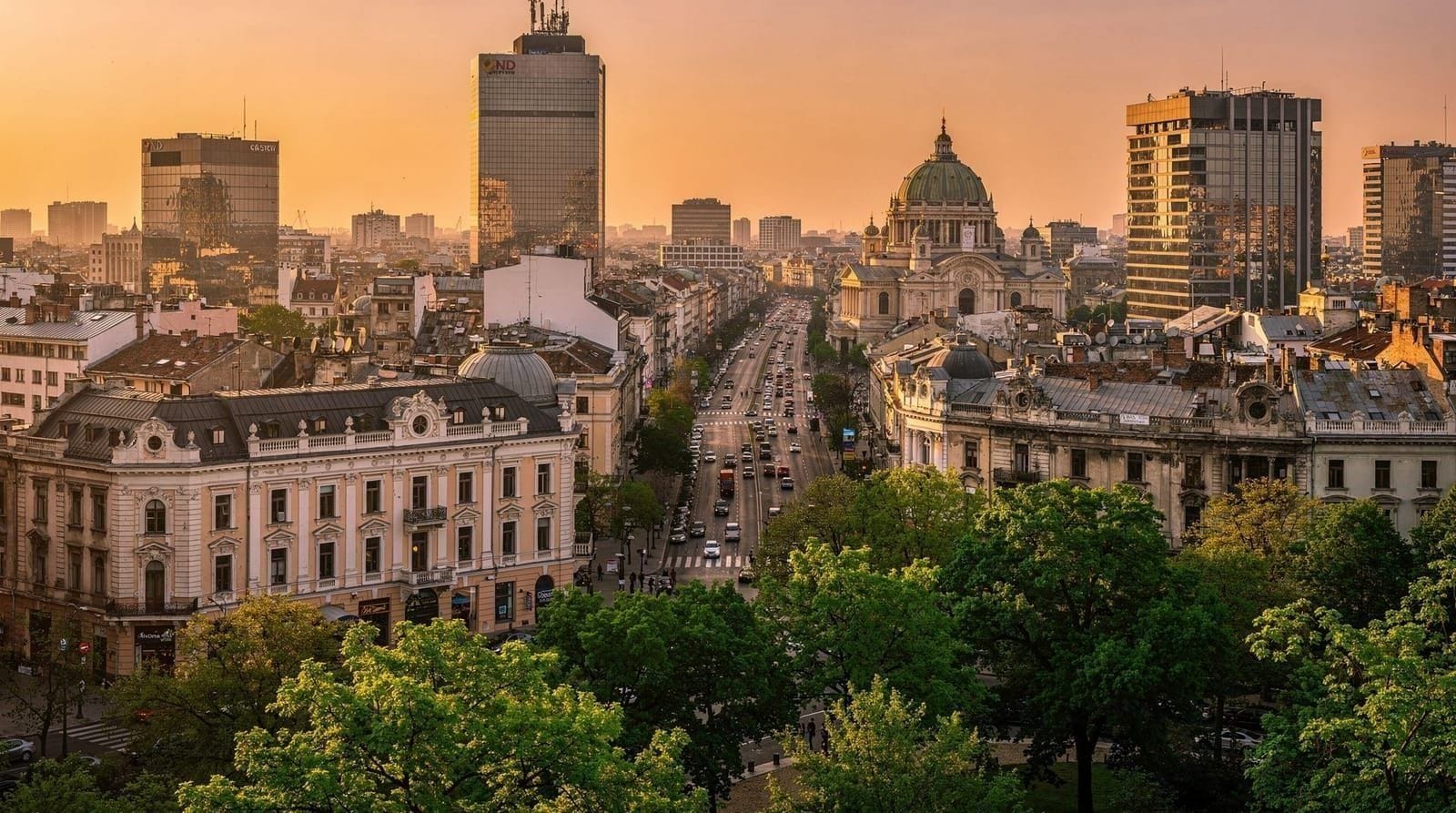
Bucharest has more Vlad Țepeș history than most visitors realise. Start at the Old Princely Court (Curtea Veche, Strada Franceză 21–23, 20 RON entry) — Vlad ordered the construction of Bucharest as a strategic fortress town in 1459. The courtyard contains the foundations of his original throne room.
Walk the Old Town with this context in mind. The district was a walled medieval settlement in Vlad’s time; the Ottoman-era buildings you see replaced what he built.
Afternoon: Bucharest historical museums
The National History Museum of Romania (Calea Victoriei 12, 32 RON) has a room dedicated to Vlad Țepeș — documents, weapons, the famous woodcut portraits. Not extensive, but the physical context is helpful.
The Museum of Communism is nearby and worth 45 minutes if you have the energy — not directly Dracula-related, but Ceaușescu’s dictatorship sits in the same Romanian tradition of authoritarian rule that Vlad pioneered.
Evening: Walking tour with historical depth
The Real Dracula tour from Bucharest offers historical context that generic Old Town tours skip — the Wallachian political background, Vlad’s relationship with the Ottoman Empire, and why the Bucharest region was central to his power. This is a better orientation for the days ahead than a standard Old Town tour.
Where to sleep before you set off
Base yourself somewhere central for night one — Old Town or the Calea Victoriei corridor puts you close to both the historical sites above and an easy morning departure. See the where to stay in Bucharest guide for area-by-area picks; for this itinerary, proximity to a car park matters more than nightlife, since you’re driving out early on Day 2.
Day 2: Snagov Monastery — Vlad’s probable tomb
Morning: Drive to Snagov (40km north of Bucharest)
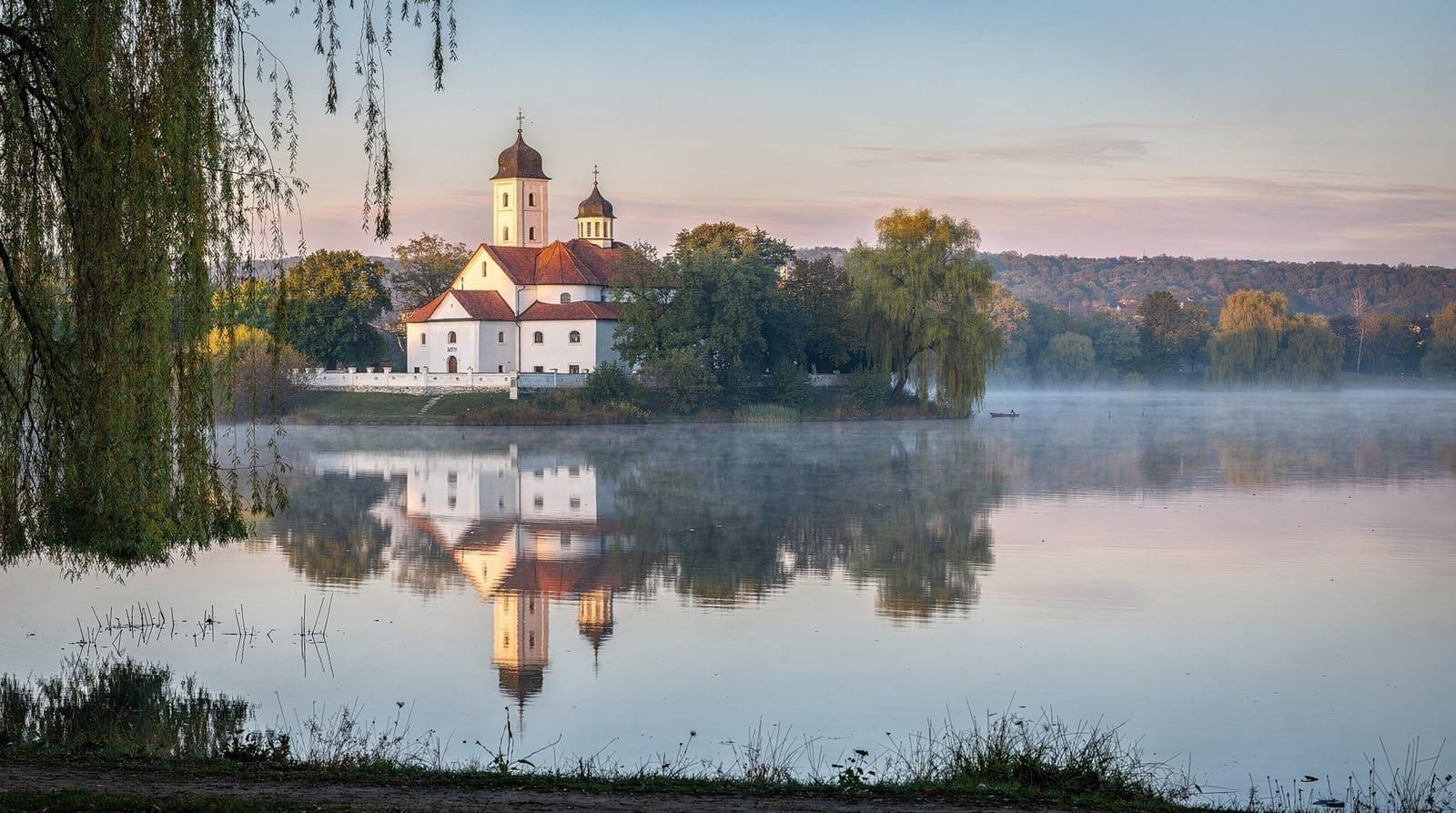
Snagov sits on an island in Snagov Lake, 40km north of Bucharest (50 min drive). The monastery dates to the 14th century; Vlad Țepeș is believed to have been buried here in 1476, though the grave marker has moved several times and the remains inside are disputed (a headless skeleton was found in 1931).
Take the boat transfer from the shore (small wooden boats, operated informally, 10–15 RON return). The monastery is functioning — dress modestly, entry is free with donations expected.
The Snagov destination page has the full archaeological history.
Late morning: Snagov + Mogoșoaia combination
Mogoșoaia Palace (15km south of Snagov, en route back to Bucharest) is a 17th-century Wallachian palace on a lake — architecturally distinct and quietly beautiful. Entry is 20 RON. The combination of Snagov + Mogoșoaia makes a complete morning.
If you’d prefer not to navigate by car, an organised tour covers this combination:
A small-group Snagov and Mogoșoaia tour from Bucharest handles the lake transfer, gives historical context, and returns to Bucharest by early afternoon — leaving you the afternoon free for departure toward Poenari.
Afternoon: Drive toward the Argeș Valley
After Snagov, drive southwest toward Curtea de Argeș (180km, approximately 2h30). You can stop at Târgoviște (Curtea Domnească — Vlad’s main court, open to visitors, 25 RON) en route, which adds 1 hour but gives you direct archaeological connection to his reign.
Stay overnight near Curtea de Argeș or in the Argeș Valley — basic but functional accommodation at 120–200 RON/night.
Day 3: Poenari — the real Dracula’s fortress
Morning: Poenari Castle (1,480 steps and genuine medieval atmosphere)
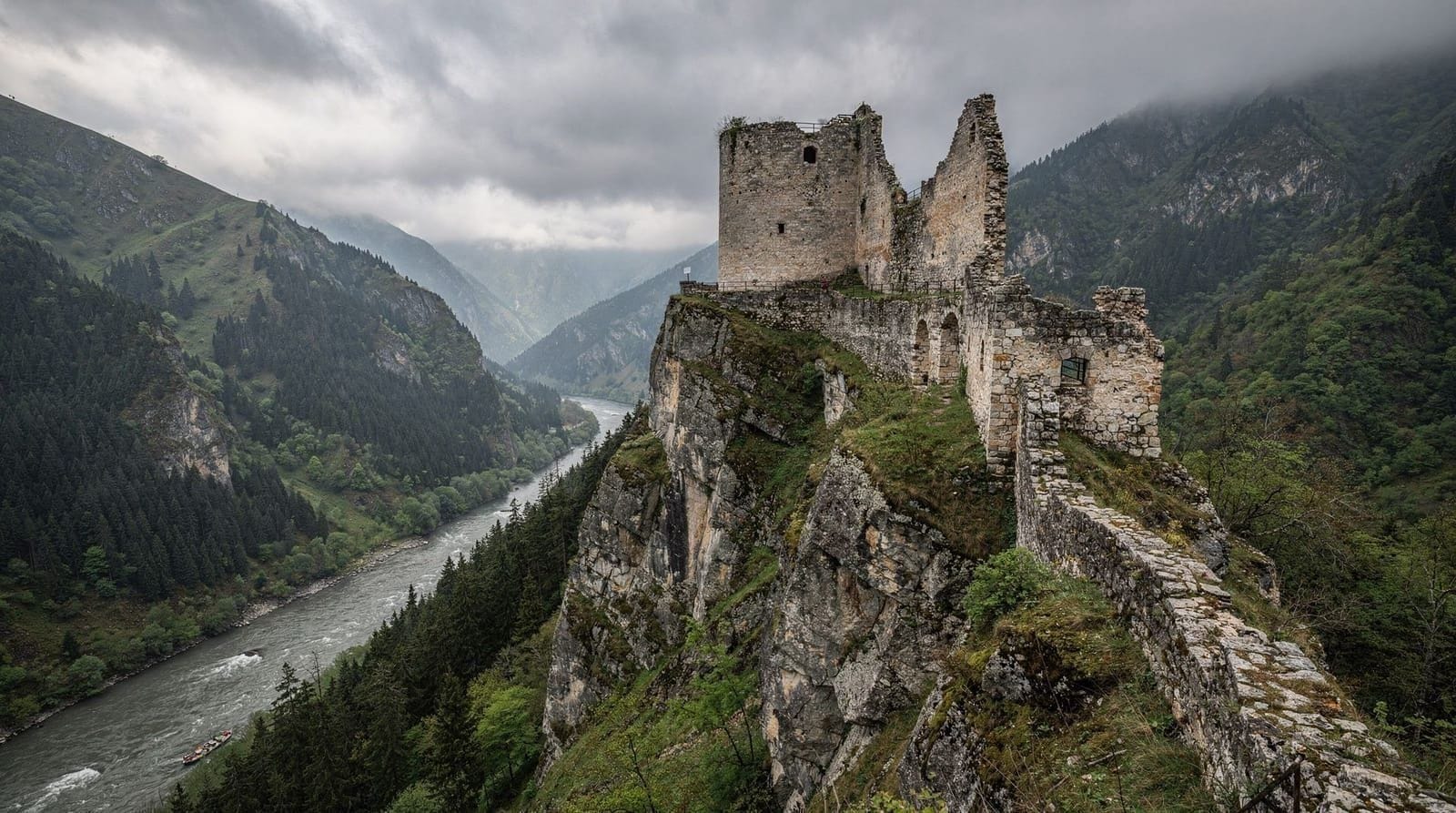
Poenari Castle is Vlad Țepeș’s actual fortress — a hilltop ruin requiring a climb of 1,480 steps from the Argeș Valley floor. This is not a tourist-friendly castle with souvenir shops and guided audio tours. It’s a genuine ruin, partially hanging off a cliff, with a view that explains why Vlad chose the site.
Entry is 20 RON. The climb takes 30–45 minutes at a moderate pace. Allow 2 hours total including descent. The interior is partially preserved walls and towers — no interior fit-out. See Poenari Castle — the real Dracula for context.
The legend: Vlad’s first wife threw herself from the castle into the Argeș River below rather than be captured by Ottoman forces. The river bend is visible from the ramparts.
This is the most honest stop on the entire Dracula trail. It’s not polished and it’s not comfortable, but it’s real.
Late morning: Transfăgărășan Road viewpoints
Poenari sits at the base of the Transfăgărășan Road — one of Europe’s most spectacular mountain roads, built by Ceaușescu in the 1970s for strategic military purposes. Even if you’re not driving the full route, the section near Poenari offers extraordinary views of the Argeș Valley and the Carpathian ridgeline.
Note: The Transfăgărășan closes in winter and is generally open from early June or July to late October, depending on snow; CNAIR announces the dates each year. Check road status before this itinerary.
Afternoon: Drive to Bran via Curtea de Argeș
The monastery at Curtea de Argeș (30 min from Poenari) is the burial church of Romanian royalty, with a distinctive striped Byzantine facade. Vlad is not buried here (that’s Snagov), but this is where Romanian kings are interred — including Carol I and Queen Marie.
Drive north through the Argeș Valley, then east through the Carpathians to Bran (approximately 2h from Curtea de Argeș). Check into Bran village — several guesthouses at 150–250 RON/night.
Day 4: Bran Castle and return to Bucharest
Morning: Bran Castle — the myth, examined
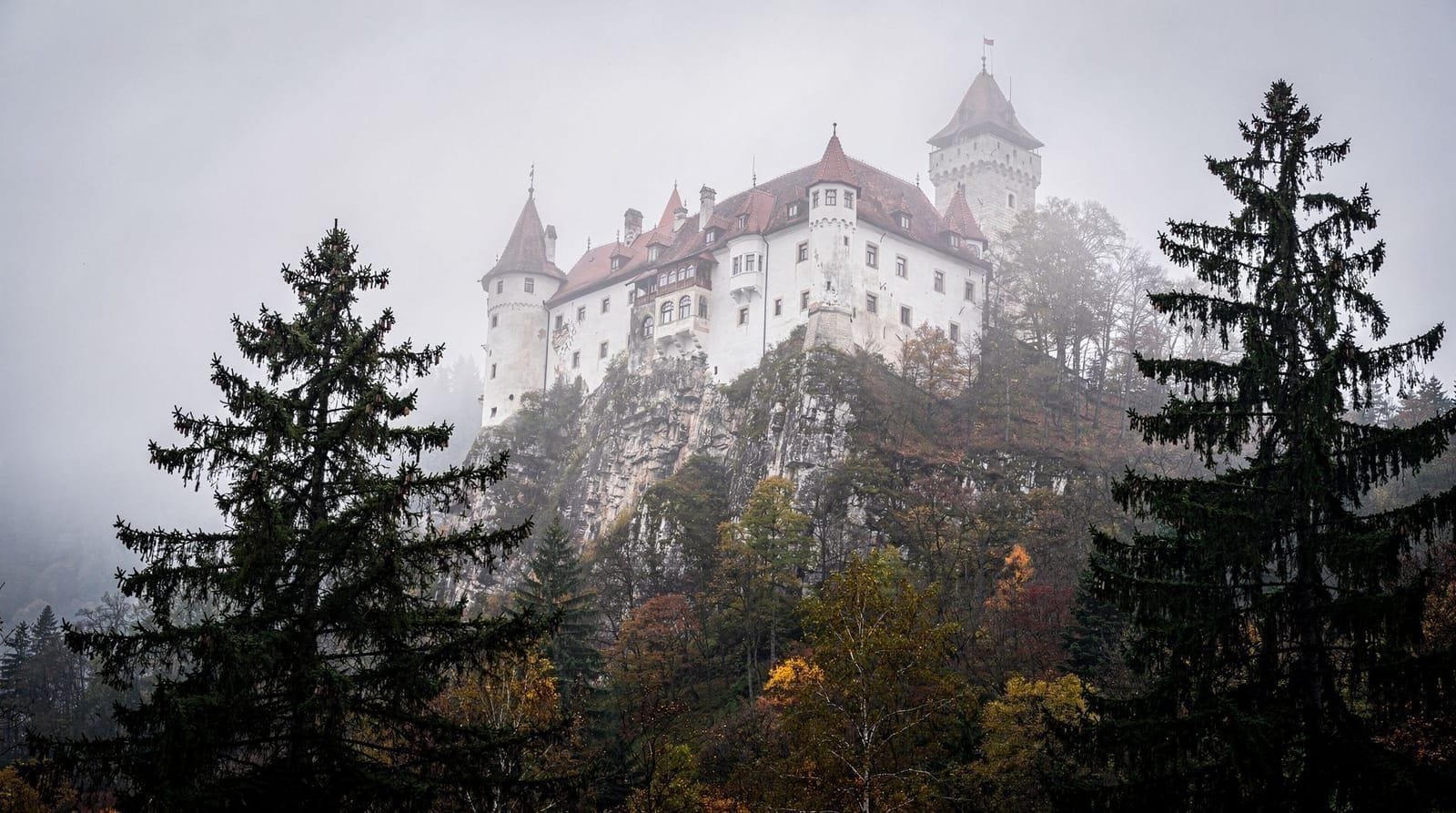
Bran Castle is the marketed version of Dracula — it does not have a documented Vlad Țepeș connection beyond a disputed overnight stop. But it is architecturally impressive, the setting is striking, and understanding why it became the Dracula symbol (a 1970s tourism campaign, not historical evidence) is part of the story.
Arrive before 09:00 to beat the day-trip buses (the first coaches arrive by 10:00). Entry is from about 40 RON (exact price on bran-castle.com). The Bran Castle guide covers what’s actually inside vs. what’s mythology.
The Dracula’s life journey tour from Bucharest provides a guide who can cover all of the above — the historical Vlad, the Bram Stoker invention, and the Romanian nationalist appropriation of both — in a single narrative arc.
Mid-morning: Bran village and Râșnov Fortress
After the castle, walk Bran village (30 min). The Bear Sanctuary at Zărnești (20 min drive from Bran) is unrelated to Dracula but is a highly regarded sanctuary for rescued bears — worth the detour if you have children or animal interest (entry 60 RON). See Râșnov for the nearby fortress.
Afternoon: Return to Bucharest
Drive south from Bran via Câmpina and the Prahova Valley to Bucharest (approximately 2h40). Drop the hire car at OTP if flying out, or return to Bucharest for a final night.
Day-by-day summary
| Day | Focus | Overnight |
|---|---|---|
| 1 | Bucharest — Curtea Veche, National History Museum, evening walking tour | Bucharest |
| 2 | Snagov Monastery + Mogoșoaia, drive to the Argeș Valley (optional Târgoviște stop) | Curtea de Argeș / Argeș Valley |
| 3 | Poenari Castle (1,480 steps), Transfăgărășan viewpoints, Curtea de Argeș monastery, drive to Bran | Bran / Brașov area |
| 4 | Bran Castle, Bran village, optional Bear Sanctuary or Râșnov, return drive to Bucharest | Bucharest (optional) |
If four days feels tight, the Bucharest and Transylvania 5 days itinerary covers similar ground at a gentler pace, and castles of Romania in 3 days is a faster, castle-focused alternative if you want to skip Snagov.
Guided tour or self-drive?
Both work, but they suit different travellers. Self-drive gives you control over pace — useful if you want to linger at Poenari or detour to Târgoviște — but adds the logistics of Romanian rural roads, which can be narrow and poorly lit at night. Guided day tours from Bucharest cover Snagov, Bran and the Transfăgărășan area individually or in combination, and remove the driving stress, but you lose the overnight stays in the Argeș Valley and Bran that make this a genuine 4-day trail rather than a series of day trips.
If you’re short on time or not confident driving Romanian mountain roads, look at the best day trips from Bucharest guide and the day trips train vs tour comparison for how a tour-based version of this route could work instead. For the full 4-day trail as written here, though, a rental car is the only way to include Poenari and the Argeș Valley overnight without backtracking to Bucharest each night.
Practical notes for the Dracula trail
Car rental: Essential. Poenari and Snagov are not reachable by public transport. Book in advance from a reputable agency — Hertz, Avis and Sixt have OTP desks. See car rental for Bucharest day trips.
Accommodation: Bucharest (nights 1), Argeș Valley or Curtea de Argeș (night 2), Bran/Brașov area (night 3), Bucharest optional (night 4). Total driving: approximately 600km.
Poenari warning: The 1,480 steps are real. This is not appropriate for visitors with mobility limitations or in hot summer weather. The castle itself is accessible year-round but the steps are exposed and can be slippery after rain.
Honesty caveat on Bran: The entrance path from the car park is lined with approximately 200 souvenir stalls selling identical Dracula merchandise. It is genuinely difficult to avoid. Factor in 15 minutes and set a budget if you’re susceptible to kitsch.
Frequently asked questions about the Dracula trail itinerary
Which castle is actually Dracula’s castle?
Poenari Castle is the one Vlad Țepeș actually used as his fortress. Bran Castle is the one marketed as Dracula’s Castle with the thinnest historical connection. See is Bran really Dracula’s castle? and Poenari — the real Dracula’s castle for the complete picture.
Is Poenari Castle difficult to reach?
By car, Poenari is straightforward — it sits at the base of the Transfăgărășan Road in the Argeș Valley, with a car park. The challenge is the 1,480 steps to the ruins. There is no lift, no cable car, and no accessible route. Budget 30–45 minutes for the ascent and wear appropriate footwear.
Is Snagov really Vlad’s tomb?
The monastery claims to hold his remains, and a grave marker exists inside. However, the 1931 excavation found a headless skeleton in unusual circumstances, and subsequent analysis has not definitively confirmed the identification. The doubt is part of the Vlad Țepeș story — even in death, he remains historically slippery.
Can I do this itinerary without a car?
Partially. Bucharest is walkable; Snagov + Mogoșoaia can be done by guided tour from Bucharest. Poenari is not accessible without a car unless you join a specific organised Transfăgărășan + Poenari tour. Bran can be reached by day trip from Bucharest. But the full sequence — particularly Poenari at your own pace — requires a car.
What time of year is best for this itinerary?
April–June and September–October offer the best weather and smallest crowds. July–August is fine but Bran Castle is very crowded and Poenari’s steps are exhausting in 35°C heat. Winter (November–March) is possible for Bucharest and Bran, but Poenari’s steps can be icy and the Transfăgărășan is closed.
Can I do the Dracula trail as guided day trips instead of self-driving?
Partly. Bucharest, Snagov + Mogoșoaia, and Bran are all covered by organised day tours from Bucharest, so you could piece together a version of this trail without driving. What you lose is the overnight stay in the Argeș Valley near Poenari, which is what turns this into a genuine 4-day trail rather than a set of separate day trips. If self-driving isn’t an option, treat this as a checklist for booking individual tours rather than a single continuous itinerary.
How does this differ from a standard Bran Castle day trip?
A standard day trip from Bucharest visits Bran (and often Peleș or Brașov) and returns the same evening — it never reaches Poenari, Vlad’s actual fortress, or Snagov, his probable burial site. This itinerary spends four days specifically tracing the documented historical Vlad Țepeș across Wallachia, with Bran included honestly as the marketed, less historically accurate stop rather than the main event.
Top experiences
Bookable activities with verified prices and instant confirmation on GetYourGuide.