Brașov day trip from Bucharest — tours and independent travel honestly reviewed
Bucharest: Dracula's castle and Brasov tour
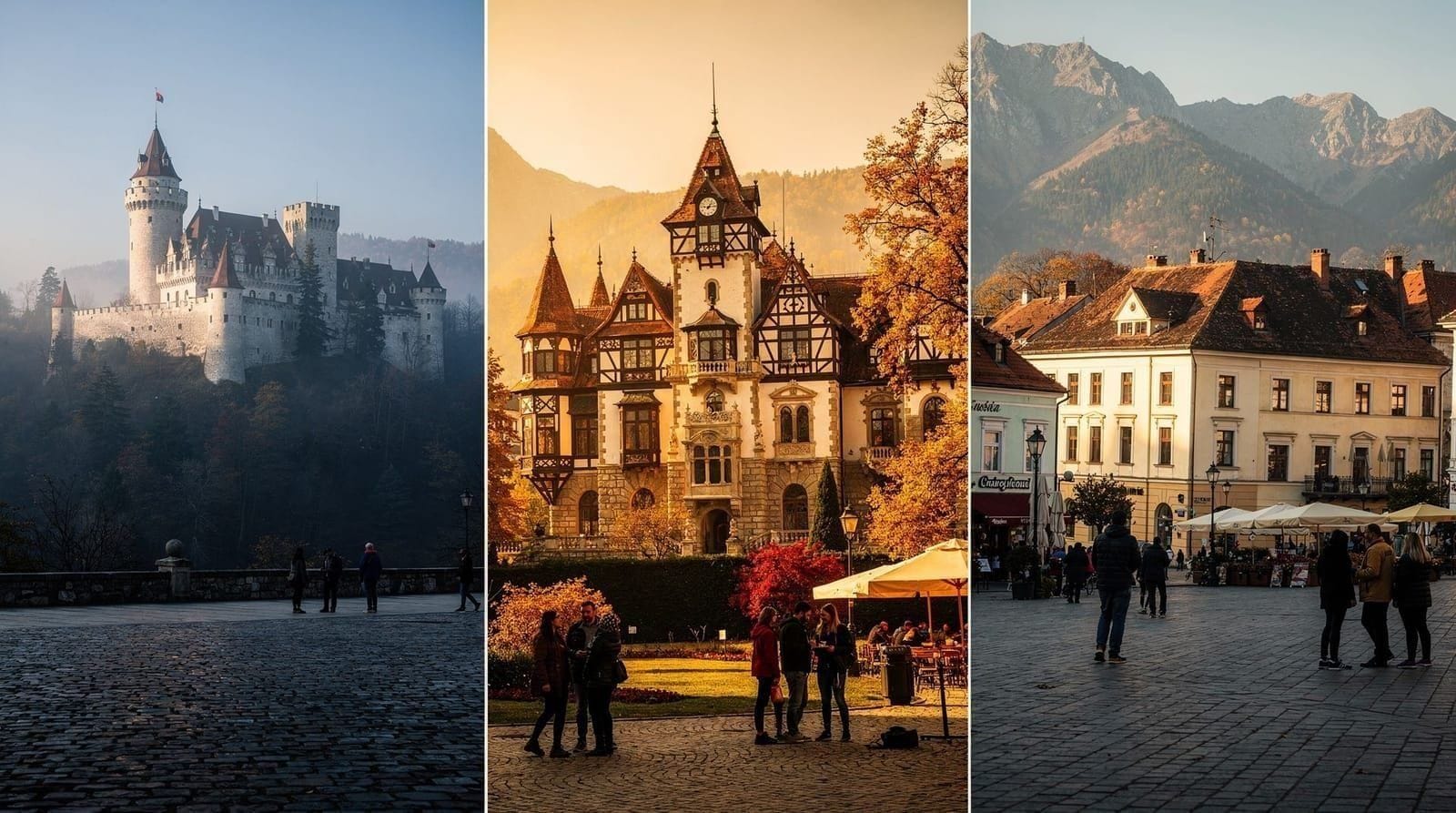
Brașov is the most liveable city in Transylvania and the easiest major day trip from Bucharest by train. It has a compact, walkable medieval old town, a serious Gothic church, one of the best-preserved Saxon fortifications in Romania, and the mountains literally rising behind it — the Tâmpa peak looms over the city like a green wall. A day trip here is genuinely satisfying in a way that castle-only excursions are not.
| Where | Brașov, Transylvania — 170 km north of Bucharest |
| Time needed | Minimum 3–4 hours for the old town; a full day if combining castles |
| Cost | Train 50–90 RON round trip; tours 250–350 RON per person |
| Getting there | Intercity train (2h30) or a guided day tour with Bran/Peleș |
| Best time | May–September for outdoor walking and the cable car; December for the Christmas market |
What to see in Brașov in a day
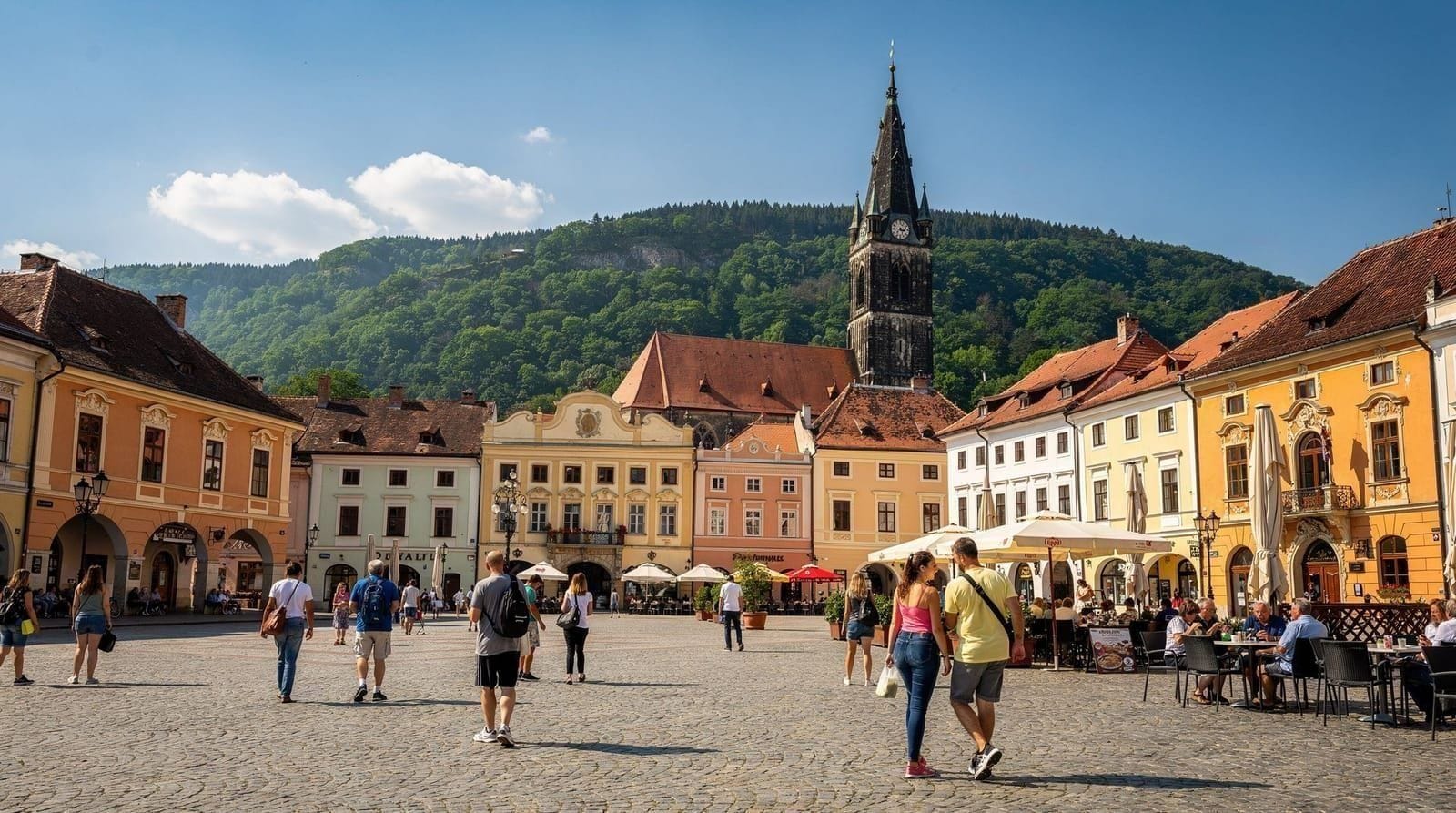
Piața Sfatului (Council Square) is the pedestrianised heart of the old town. The 15th-century Council House (now a museum) sits in the centre; the square is ringed by colourful Baroque facades. It is busy with tourists but also genuinely alive with locals in the evenings. Most tour groups stop here first.
Black Church (Biserica Neagră) dominates the south end of the square. Built between 1383 and 1477 by the Saxon community, damaged by fire in 1689 (which gave it the name), it is the largest Gothic building in Romania. The interior houses 119 Anatolian carpets donated by Brașov’s Armenian and Greek merchants — an unusual and overlooked collection. Allow 30–40 minutes. Entry around 15–20 RON (3–4 EUR).
Old town fortifications — the Saxon city walls, bastions, and towers survive in good condition along the south side of the old town. The Weavers’ Bastion houses a small local history museum. The walk along the wall from Poarta Schei to the Weavers’ Bastion takes about 20 minutes and gives good views.
Rope Street (Strada Sforii) — a pedestrian alley about 1.3m wide, claiming to be one of the narrowest streets in Europe. Worth the 5-minute detour but do not build a day around it.
Tâmpa Mountain — a cable car from the south side of the old town takes 4 minutes to the summit (960m). Views over the city are excellent. The round cable car ride costs around 25–30 RON (5–6 EUR). Alternatively, a marked hiking trail takes about 45 minutes up.
Schei neighbourhood — the Romanian quarter outside the old Saxon walls, historically separated by the city gates. The Orthodox Sfântul Nicolae church (1292, rebuilt multiple times) and the first Romanian school in Brașov are here. Worth 30–40 minutes if you have time.
Tour options from Bucharest
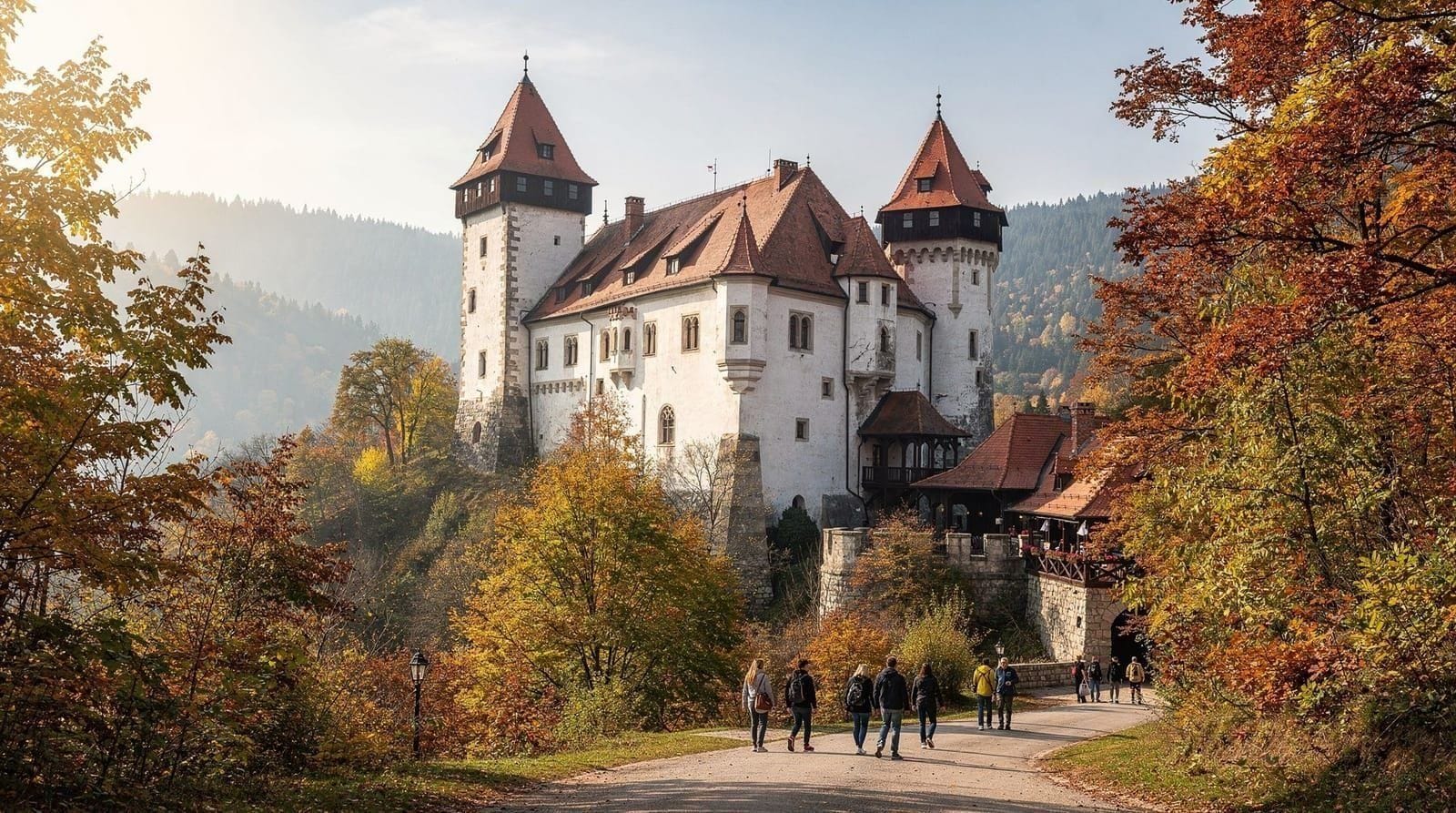
Brașov only (with Bran Castle): the most commonly booked option pairs a Brașov old-town stop with a visit to Bran Castle. These tours run 9–11 hours, cost 250–350 RON (50–70 EUR) per person (plus castle entry), and give you about 2 hours in Brașov and 1 hour at Bran. Satisfying if you have not visited either before.
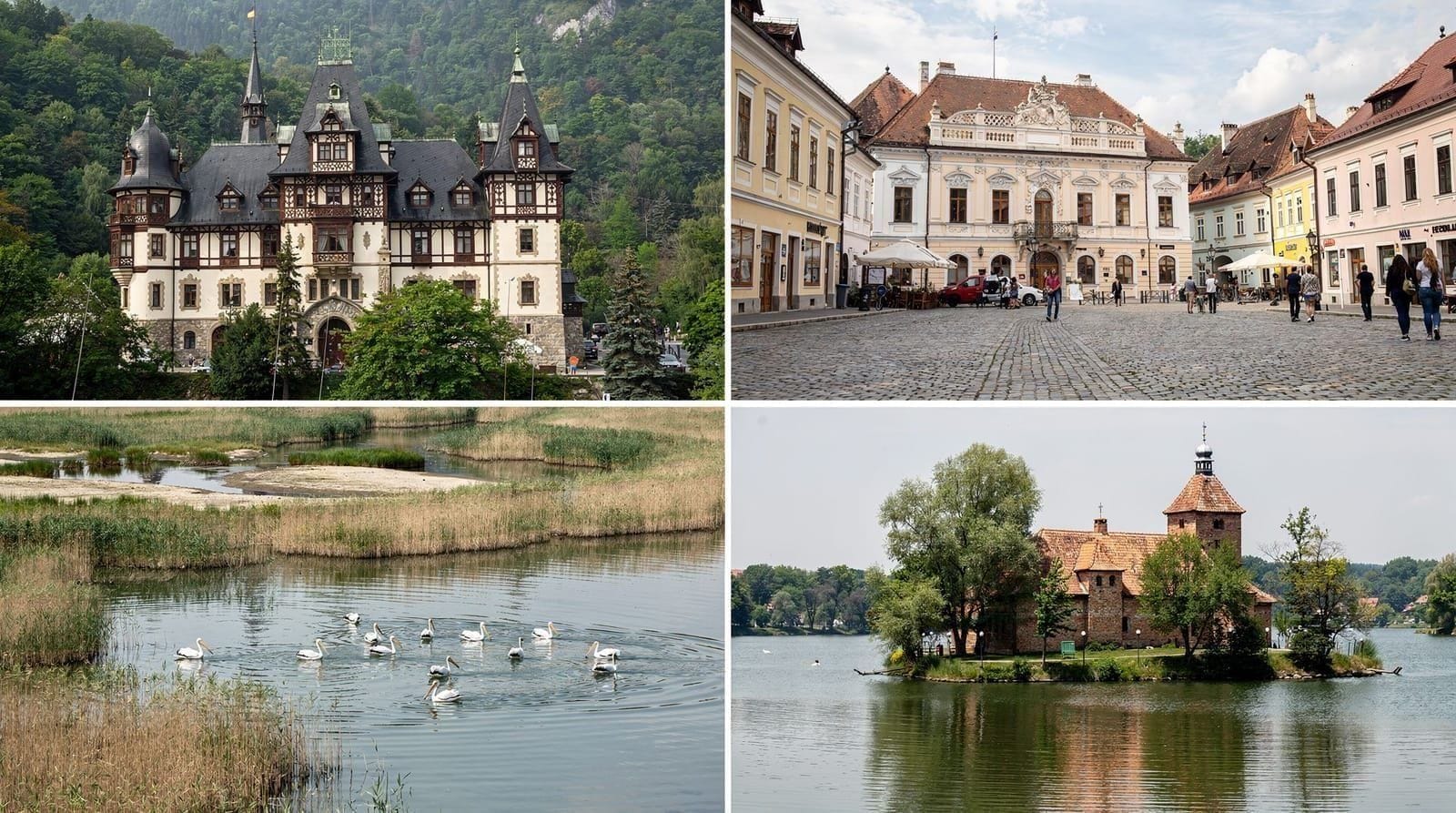
Brașov and Bran Castle day trip from BucharestBrașov plus Peleș: this route heads to Sinaia first (Peleș Castle), then Brașov for a shorter stop. Good for castle-focused travellers; Brașov time is reduced to 1–1.5 hours.
Peleș Castle and Brașov day trip from BucharestThree-stop Transylvania combo (Peleș + Bran + Brașov): the classic day trip that this site covers in depth in the Transylvania day trip review. Brașov gets about 1–1.5 hours.
Peleș, Bran Castle and Brașov old town — full day tourTrain vs tour — the honest assessment
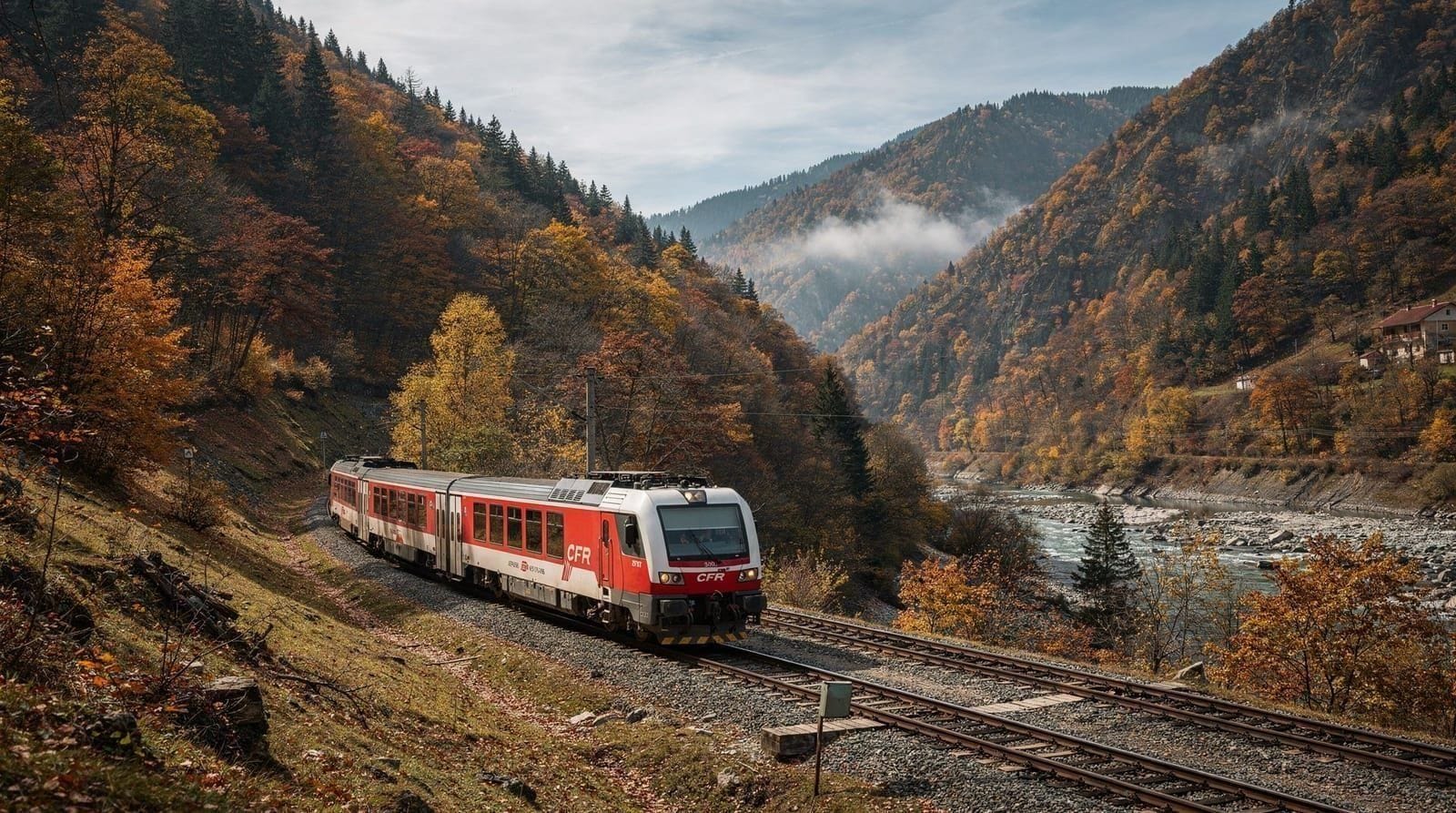
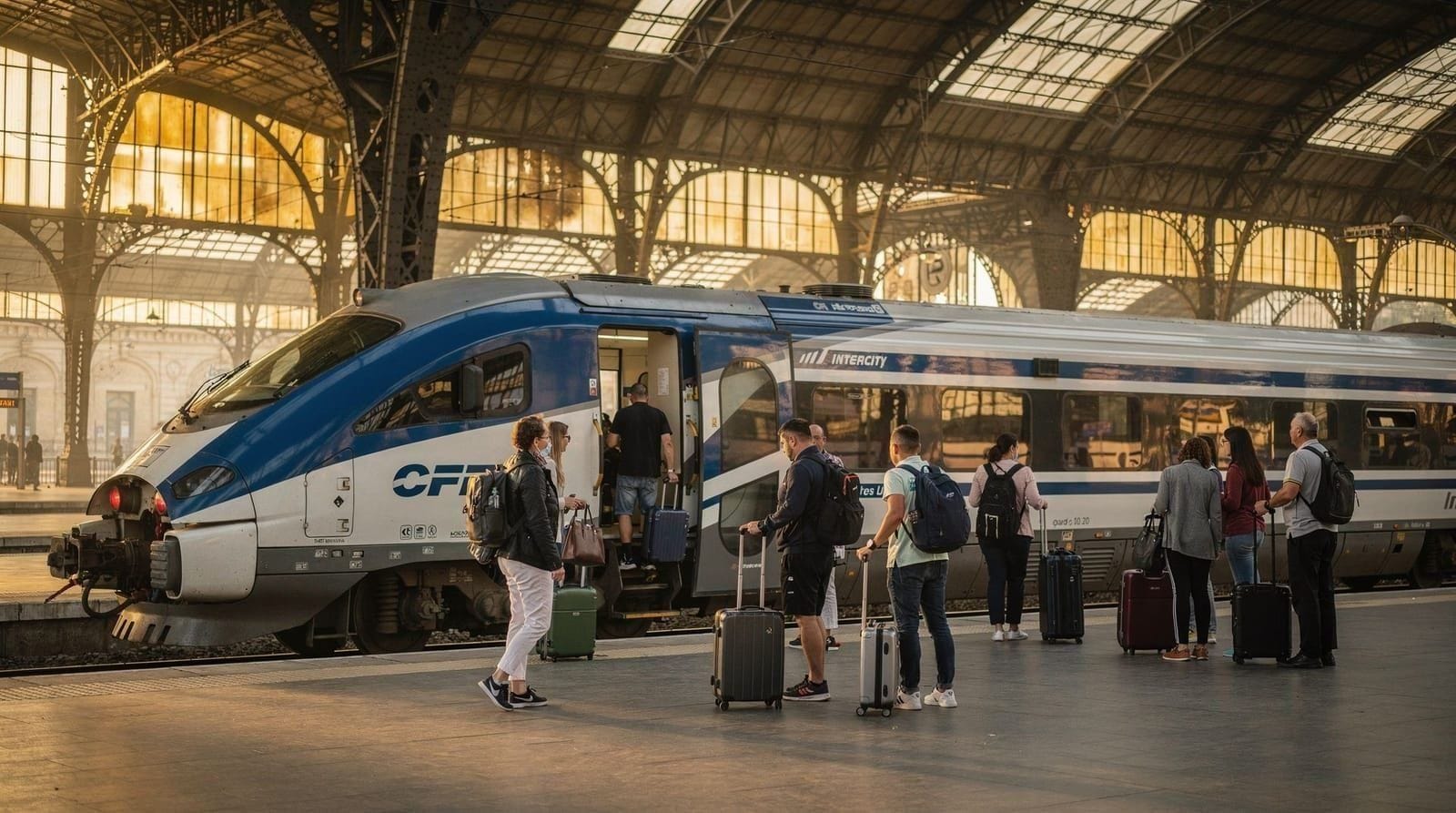
For Brașov city itself, the train wins. The Intercity from Bucharest Gara de Nord takes 2h30 and is comfortable. You arrive with the entire day free, pick up a local walking tour of the old town in Brașov, explore at your own pace, and catch the late afternoon train back. Cost: 50–90 RON (10–18 EUR) each way.
Tours are worth booking when you want to combine Brașov with castle stops (Bran, Peleș, Râșnov) that require transport coordination. If you plan to visit Bran Castle from Brașov independently, the public bus is straightforward — see the getting to Brașov guide.
The train vs tour guide compares all the main options with timetables and prices.
Practical notes
- Brașov train station (Gara Brașov) is 2 km from the old town. Walk (25 minutes), take a taxi (20–25 RON / 4–5 EUR), or bus 51.
- The old town is compact but hilly. Good shoes are important.
- Lunch in Brașov: Sergiana on Str. Mureșenilor does reliable traditional Romanian food at non-tourist prices. La Ceaun on Piața Sfatului is convenient but prices reflect the location.
- The Brașov destination page has accommodation and restaurant recommendations for those staying overnight.
- Best day trips from Brașov (if you stay): Bran Castle (bus), Râșnov Fortress (bus), Libearty Bear Sanctuary at Zărnești (bus/taxi). See the best day trips from Bucharest guide for context.
Honest verdict: is the Brașov day trip worth it?
Yes — Brașov is one of the most rewarding day trips from Bucharest and one that holds up well even for repeat visitors to Romania. The Saxon architecture, mountain setting, and compact walkability make it the best city visit beyond Bucharest.
The single honest caveat: many group tours give Brașov only 1.5 hours. If you want the old town, the Black Church, a meal, and the cable car — that is a minimum 3–4 hour visit. Book a Brașov-only tour if you want the city, not the castles. Or take the train.
A guided walking tour in Brașov itself
If you arrive by train and want structure without committing to a full Bucharest-to-Brașov tour, local walking tour operators based in Brașov offer a good middle ground. Several English-language walking tours depart from Piața Sfatului daily at 10:00 and 14:00 during the summer season, typically lasting 1.5–2 hours and covering the Council Square, the Black Church, the old Saxon walls, and the Schei neighbourhood gate. Prices are usually 60–80 RON (12–16 EUR) per person, often on a pay-what-you-feel model with a fixed minimum.
These Brașov-based tours are led by local guides who grew up in the city — a different depth of local knowledge from guides who deliver the same script on the road from Bucharest. The best operators are found by looking for guides assembling at the northwestern corner of Piața Sfatului around tour departure times, or by checking the Brașov tourist information office on Piața Sfatului, which maintains a list of licensed local guides.
For visitors who arrive independently by train, this is the recommended approach: take the Intercity from Bucharest Gara de Nord, join a local walking tour on arrival, spend the rest of the day at your own pace, and head back on the early evening train. The 17:18 Intercity from Brașov Gară arrives in Bucharest around 19:45 and is rarely overcrowded if you book in advance.
Brașov as an overnight base
Staying overnight in Brașov changes the experience considerably. The old town empties of day-trippers after 18:00 and has a completely different atmosphere in the evening — the medieval facades lit by street lamps, the Black Church looming without crowds, restaurants on Strada Republicii and Str. Mureșenilor operating at a proper pace rather than rapid tourist turnover.
A second day based in Brașov opens options that a single day from Bucharest cannot include. Bran Castle (45 minutes by bus from Autogara 2) works well as a full morning. Râșnov Fortress (30 minutes by bus) is a better-preserved medieval stronghold than it is given credit for — the interior village within the walls is genuinely unusual. Libearty Bear Sanctuary at Zărnești (accessible by bus and a short walk) houses over 100 rescued brown bears in a large forested enclosure — the most visited wildlife sanctuary in Romania and a worthwhile half-day.
Budget accommodation in the old town starts around 150–200 RON (30–40 EUR) per night for a double room at a guesthouse or hostel. Mid-range hotels on or near Str. Mureșenilor run 300–450 RON (60–90 EUR). Booking at least 3–4 days ahead in July and August is advisable.
The practical gain of a second day is time: time to walk the Tampa cable car, time to eat lunch without rushing, time to wander Schei without checking train departure boards. If Transylvania is a genuine priority of your Romania trip rather than a brief detour, the overnight stay is the right decision.
Driving to Brașov independently
Renting a car from Bucharest and driving to Brașov gives maximum flexibility, especially if you plan to combine Brașov with Bran Castle, Peleș, or a Transfăgărășan excursion. The logistics are worth understanding before you go.
DN1 (the main road): the direct route follows the E60/DN1 north from Bucharest through Ploiești and up the Prahova Valley. Distance is approximately 170 km. Journey time is typically 2.5–3 hours in normal traffic, but the Prahova Valley corridor is heavily congested on Friday evenings and Sunday evenings, and on summer weekends the traffic near Sinaia and Predeal can add 30–60 minutes. The road passes through Sinaia and Predeal — useful if you want to combine a Peleș stop on the same day.
A3 motorway and mountain alternatives: a partially completed motorway section shortens the Bucharest-to-Ploiești stretch but the mountain section remains single-carriageway. There is no faster route over the Carpathians on this corridor.
Parking in Brașov: the old town is pedestrianised and has restricted vehicle access. The most practical car parks are the multi-storey on Str. Lungă (east side of the old town, ~5 RON/hour) and the open-air car parks near Piața Unirii (southern approach). Do not try to enter the core pedestrian zone — fines are issued to non-resident plates. From the Str. Lungă car park, the Black Church is a 5-minute walk.
For the Bran Castle diversion from Brașov: the Bran road (DJ112A) leaves Brașov from the south-west and takes 40–50 minutes through Râșnov village. The parking situation at Bran itself is chaotic at peak times — arrive before 10:00 or after 15:00.
Brașov by season
Brașov changes considerably with the seasons, and picking the right month affects the day trip more than most visitors expect.
| Season | Conditions | Notes |
|---|---|---|
| May–June | Mild, occasional rain, green mountains | Fewer crowds than summer; cable car queues are short |
| July–August | Warm (25–30°C), busiest | Peak season — book train tickets and tours ahead |
| September–October | Cool, clear, low crowds | Arguably the best window for the old town and Tâmpa hike |
| December | Cold, Christmas market on Piața Sfatului | The Bucharest Christmas markets guide covers Brașov’s market alongside the capital’s |
| January–March | Cold, ski season in nearby Poiana Brașov | Day trip works, but outdoor walking is shorter and colder |
The Christmas market season deserves a specific mention. From late November through December, Piața Sfatului fills with wooden stalls selling mulled wine (vin fiert), roasted chestnuts, and Transylvanian handicrafts, with the Black Church illuminated behind them. It is a different, more atmospheric version of the same square that day-trippers see in July, and it pairs naturally with a weekend in Brașov if you can extend beyond a single day. Winter day trips from Bucharest are entirely feasible by train, though the mountain road (DN1) can be slower in snow, so the train is the more reliable option between December and February.
Frequently asked questions about the Brașov day trip from Bucharest
How far is Brașov from Bucharest?
Approximately 170 km north of Bucharest, 2.5–3 hours by car or Intercity train.
Is one day enough for Brașov?
One day covers the main old town sites. A second day is better spent on castle trips from Brașov rather than more city sightseeing.
What is Brașov known for?
The Black Church, Saxon fortifications, Piața Sfatului, and its position as gateway to Bran Castle and Carpathian skiing.
Is it better to book a tour or go by train?
For Brașov city itself, the train gives more freedom. Tours add value when combining with castle stops (Bran, Peleș, Râșnov).
What is the Black Church?
A 14th–15th century Gothic Lutheran church — the largest Gothic building in Romania, with a collection of 119 historic Anatolian carpets inside.
Can I reach Bran Castle from Brașov by public transport?
Yes — buses from Brașov Autogara 2 run to Bran roughly every 30–45 minutes (40–45 min journey, ~10–12 RON each way).
Is Brașov worth visiting at Christmas?
Yes — the Piața Sfatului Christmas market from late November through December is one of the best in Romania, with the Black Church lit up behind the stalls. Trains still run reliably in winter; driving is slower in snow.