Dracula day trip from Bucharest — the honest guide to what is real and what is marketing
Bucharest: Private day trip to Dracula's castle
The Dracula day trip from Bucharest is the most marketed excursion in Romania. It is also one of the most misrepresented. This review separates what the mainstream “Dracula castle” tours actually deliver from the genuine historical Vlad Țepeș sites, and tells you which to book depending on what you actually want.
| Where | Bran Castle (162km) or Poenari/Snagov (real Vlad sites) |
| Time needed | 9–11 hours for a full day trip |
| Cost | Around 250–450 RON/person plus castle entry |
| Best for atmosphere | Bran Castle with Peleș |
| Best for history | Poenari Castle and Snagov Monastery |
The two types of Dracula day trip
Type 1: Bran Castle (the Hollywood Dracula experience)
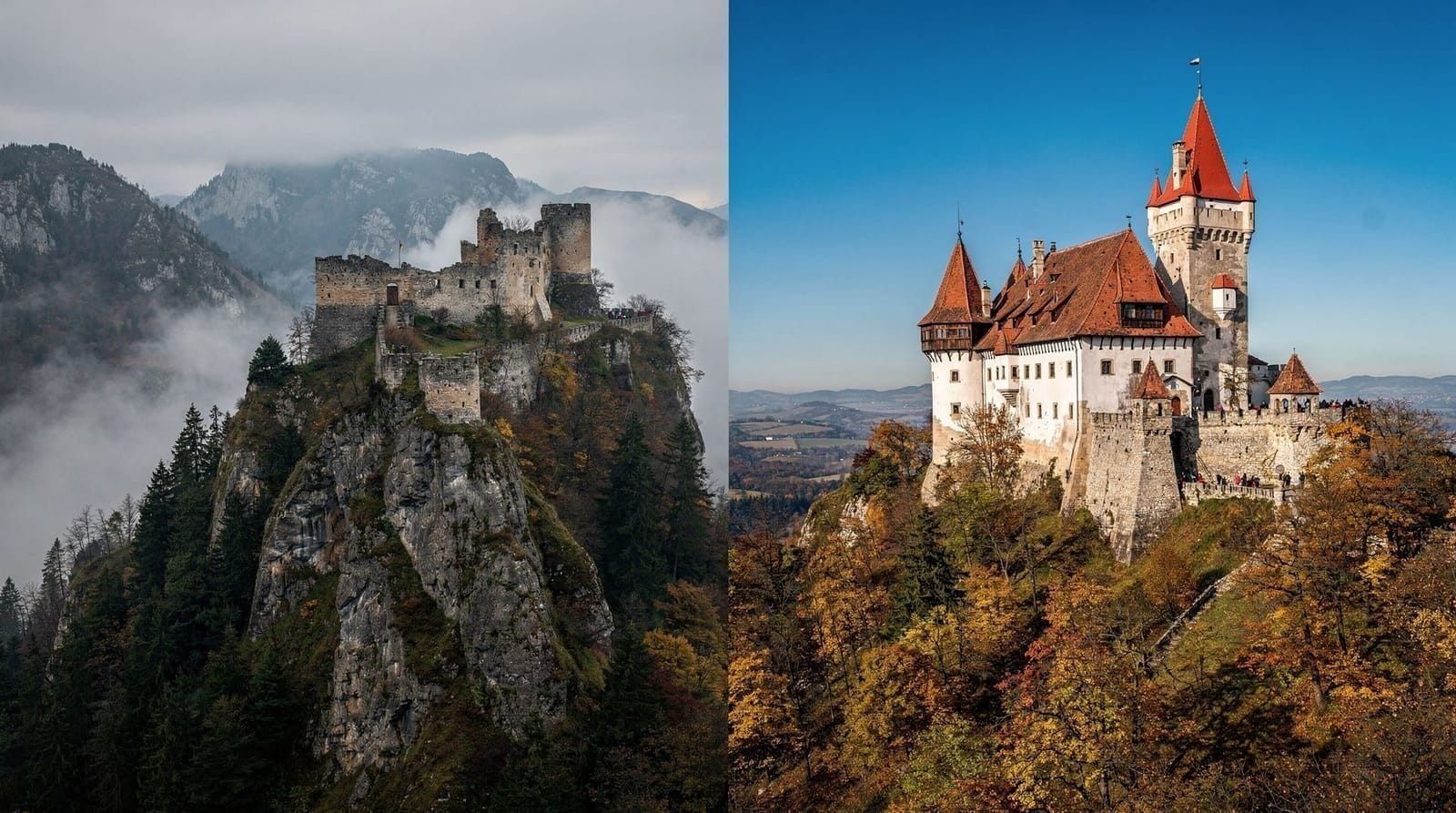
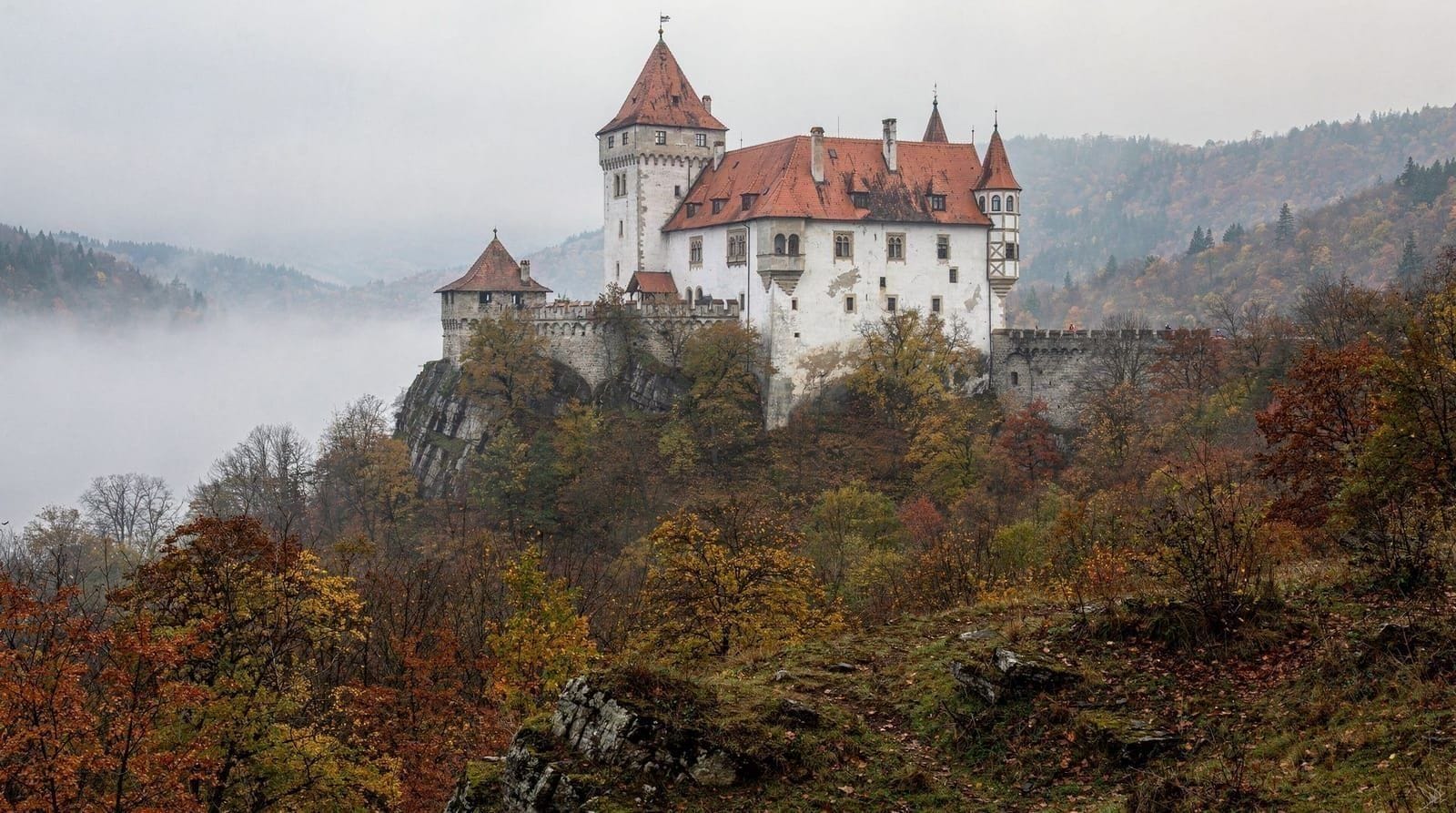
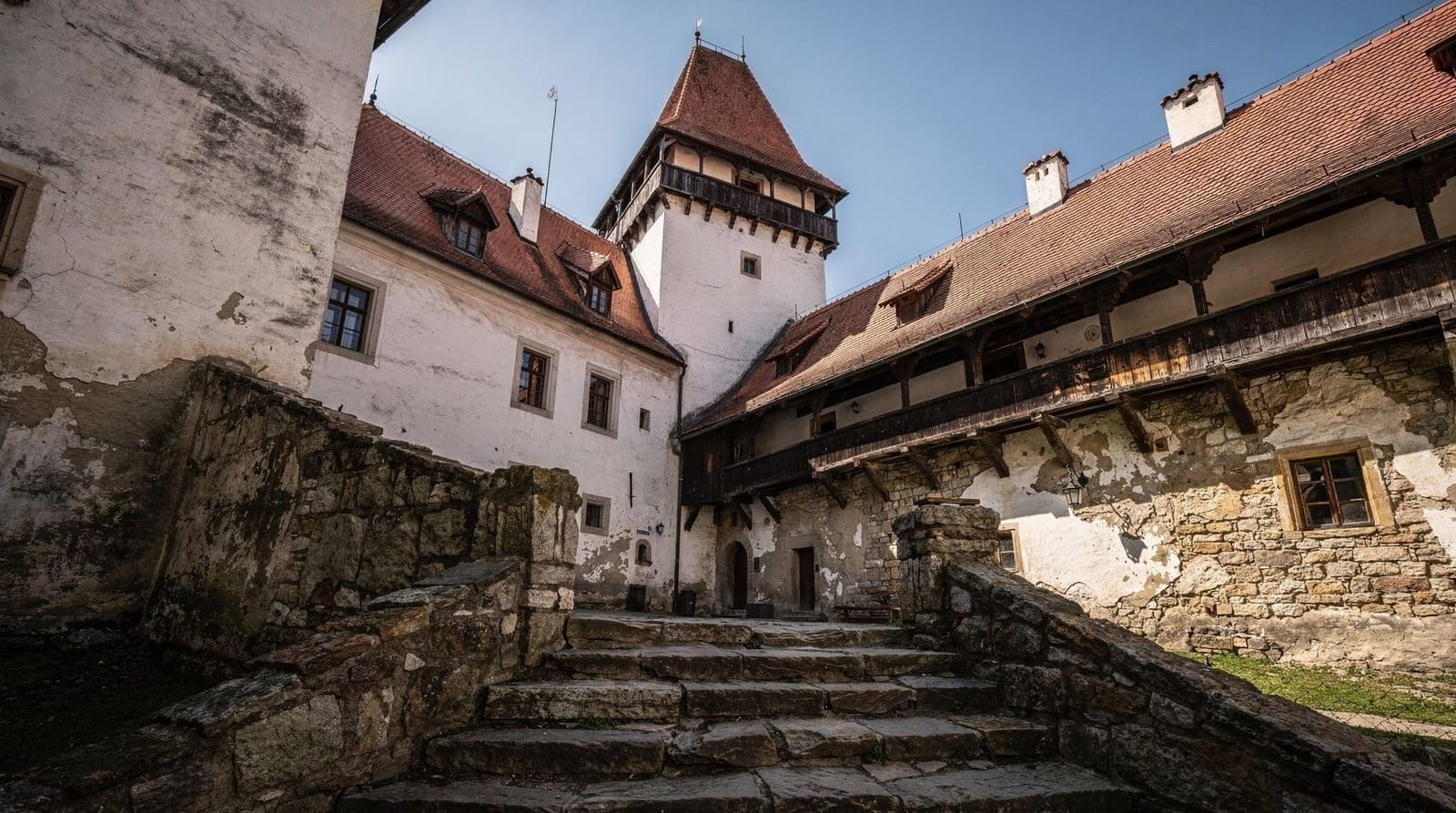
Most tours labelled “Dracula day trip” go to Bran Castle, 162 km northwest of Bucharest near Brașov. Bran is a 14th-century Gothic fortress with genuine atmosphere — pointed towers, steep walls, narrow interior passages — that matches the visual cliché of a vampire castle well enough to have become the default for tour marketing.
The connection to Dracula is almost entirely invented. Bram Stoker wrote his 1897 novel in Edinburgh using library research; he likely never visited Romania. Vlad Țepeș’s historical connection to Bran is uncertain and peripheral — a possible brief imprisonment, at most.
None of this means Bran is not worth visiting. It is a legitimately interesting medieval castle with well-curated period rooms, royal family artefacts from the 20th century, and a photogenic exterior. On its own merits, it is a worthwhile stop. Just not Dracula’s castle. The Bran Castle guide and the is Bran really Dracula’s Castle guide cover this in full.
Private Bran and Peleș day trip from Bucharest Two Transylvanian castles in one day — Bran and PeleșType 2: The real Vlad Țepeș tour
A small number of operators offer tours that target the genuine historical sites associated with Vlad Țepeș (1428–1476), the Wallachian prince who inspired the Dracula name. These are less crowded, more historically substantive, and significantly more interesting if you are curious about the actual man rather than the myth.
The key real Dracula sites:
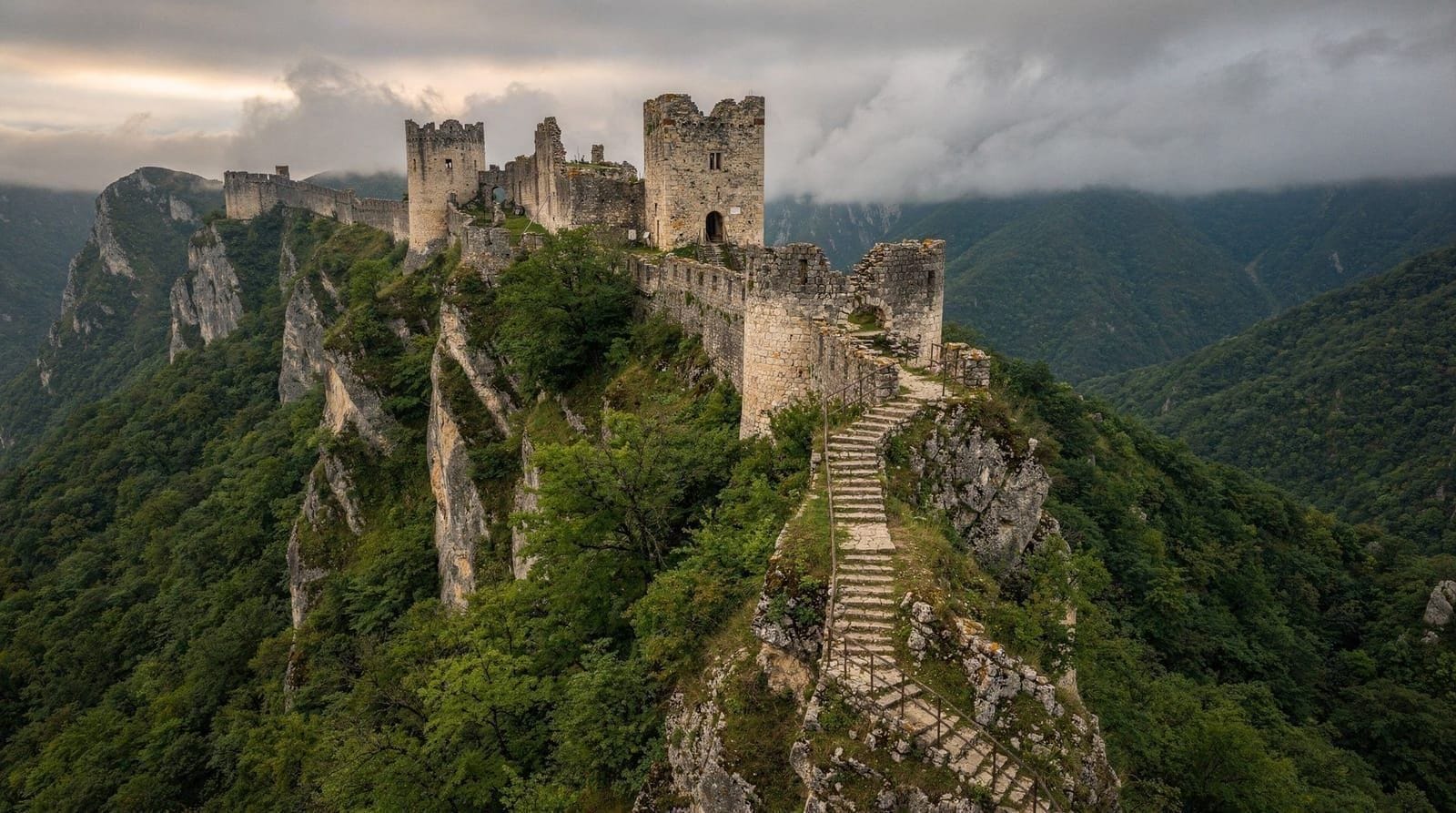
- Poenari Castle — Vlad’s primary fortress, 148 km northwest of Bucharest on the Transfăgărășan approach. 1,480 stone steps up a steep hillside. Partially ruined but genuinely atmospheric and with a documented Vlad connection. The Poenari Castle guide explains the history.
- Snagov Monastery — 40 km north of Bucharest on an island in Snagov Lake. Tradition holds that Vlad was buried here in 1476, though a 1930s archaeological dig found disputed remains. A 3-minute boat ride from the shore. See the Snagov destination page.
- Curtea Veche (Old Princely Court) — the ruins of the 15th-century Bucharest palace where Vlad held court. Visible in the old town at street level. A standard stop on the communist Bucharest tour.
- Sighișoara — Vlad Țepeș was born here in 1431. The house where he was born (in the medieval citadel) is now a restaurant. The medieval citadel itself is UNESCO-listed and worth visiting independently of the Dracula connection.
Prices in RON and EUR (2026)
- Bran Castle group day trip (with Peleș and/or Brașov): 250–350 RON (50–70 EUR) per person plus castle entry (about 140 RON / 27 EUR for Bran from about 40 RON plus Peleș at 100 RON)
- Private Bran + Peleș day trip: 600–1,200 RON (120–240 EUR) per person
- Real Dracula (Poenari + Snagov) tour: 300–450 RON (60–90 EUR) per person, or private at 650–1,100 RON (130–220 EUR)
- Dracula life journey (Wallachia focus): 300–450 RON (60–90 EUR) per person
Which Dracula tour should you book?
For atmosphere and photography: Bran Castle in a private tour with Peleș — gives time to explore both castles without group rush, and Peleș is architecturally stunning. On a clear day, the Bran exterior is the most castle-like silhouette in Romania.
For genuine history: the real Dracula tour covering Poenari and Snagov. Poenari’s 1,480 steps filter out the less committed, which means the site is uncrowded and genuinely atmospheric. Snagov is peaceful and the island monastery is beautiful.
For a combination of both: some operators offer “full Dracula” routes that cover Snagov (morning), then drive to Bran (afternoon) — a very long day but covering the myth and the history. Verify the itinerary carefully before booking.
What the mainstream tours do not tell you
The real Dracula vs Hollywood guide on this site is required reading before any Dracula-themed booking. Key points:
- Vlad Țepeș was a Wallachian (not Transylvanian) prince. His historical context is Wallachia, not the castles of Transylvania.
- The Dracula novel and film tradition is separate from the historical Vlad. The name, the title, and the region were borrowed; the vampire mythology is entirely invented.
- Bran was a Transylvanian fortress controlled by the Saxons — historically an adversary of Wallachia, not an ally of Vlad.
This does not make the Bran tour bad. It makes it a castle tour with misattributed marketing. Knowing this, you can enjoy Bran for what it is (a well-preserved medieval fortress with royal history) and visit Poenari separately if you want the genuine Vlad connection.
Practical notes
- Bran entry: from about 40 RON (exact price on bran-castle.com). Queue times in July–August can reach 45 minutes even with a tour group.
- Poenari entry: 10–15 RON (2–3 EUR), plus the physical effort of 1,480 steps (15–20 minutes climbing).
- Snagov Monastery: 20–30 RON (4–6 EUR) including boat transfer. The island is small — 45 minutes is enough.
- Vlad the Impaler sites guide: see Vlad Țepeș sites for a complete location list.
Visiting Bran Castle in practice
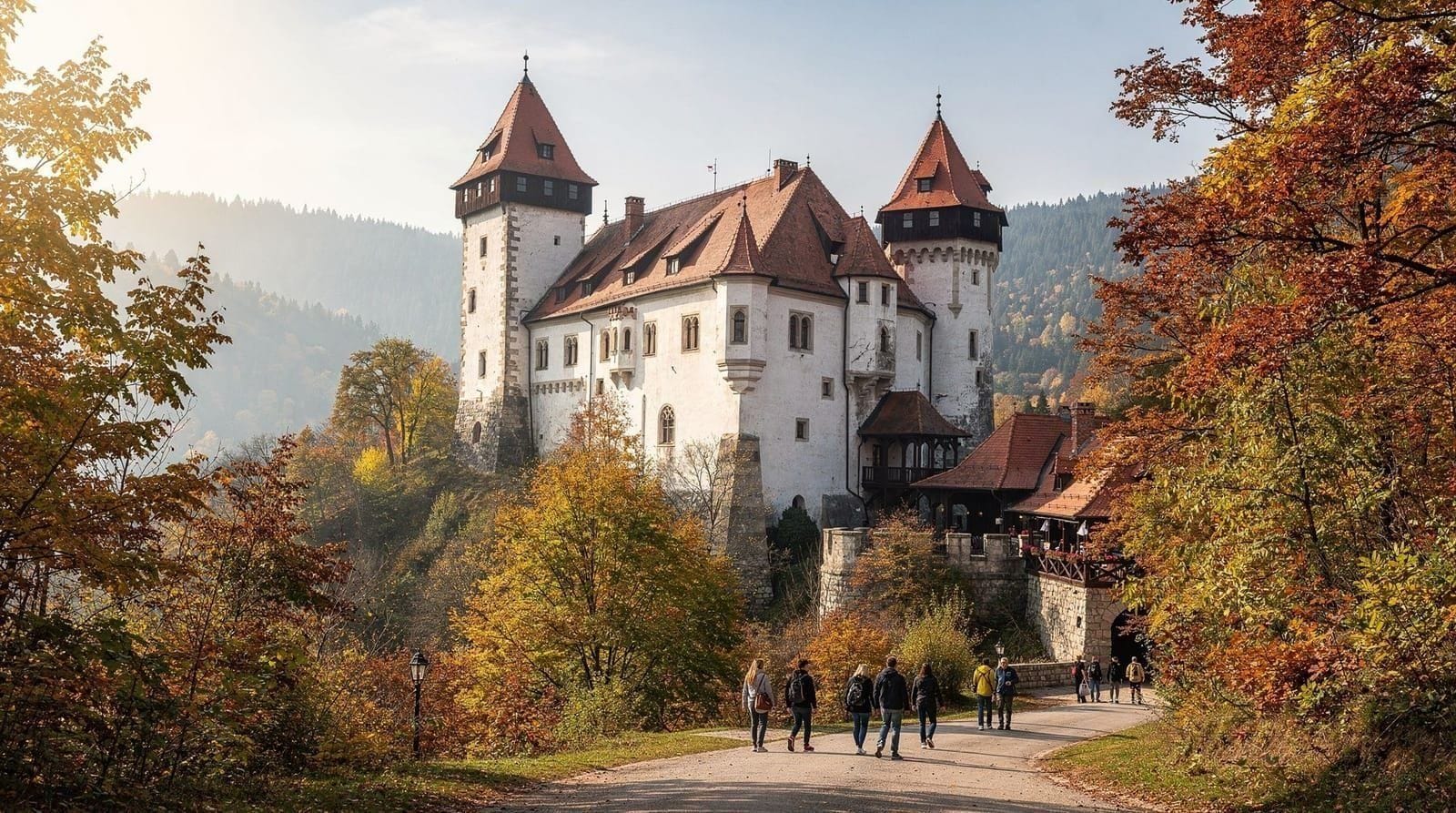
The approach to Bran Castle is part of the experience. From the main parking area — which sits at the edge of a large souvenir market — the castle is immediately visible up the hillside, its towers and white-plastered walls rising above the treeline in a way that matches the postcard silhouette precisely. The entrance route does not go straight up: it circles around the base of the hill and ascends via a stone staircase on the castle’s eastern side, giving a sequence of framing views as you approach.
Inside, the visitor route threads through a series of low-ceilinged connecting passages between the castle’s four towers, occasionally crossing the covered bridge that links the upper and lower sections of the complex. The passages are genuinely atmospheric — narrow enough to feel medieval, with stone floors and small windows that produce the kind of dim, directional light that the building’s popular reputation as a spooky castle relies on. They are occasionally disorienting: the castle’s footprint is compact but the interior route doubles back on itself in ways that make it feel larger than it is.
Room highlights worth slowing down for: the weapons collection on the first floor, a genuine accumulation of medieval and early modern arms and armour rather than a modern display; the bedroom suites used by Queen Marie in the 1920s and 1930s, which document the castle’s actual royal history more clearly than the Dracula framing does (Marie loved Bran and used it regularly as a summer retreat — her documented connection to the castle is far more substantial than Vlad Țepeș’s supposed connection); and the covered bridge between towers, which offers the best internal views of the castle’s courtyard and is the most photographed interior element.
The Dracula Museum occupying the basement level is a separately ticketed add-on, currently around 20 RON. It is based on Bram Stoker’s fictional tradition rather than on historical documentation — the exhibits cover the vampire mythology of the novel and its film adaptations, with some Romanian folklore context. It is lightweight and optional; visitors primarily interested in the castle’s actual history can skip it without missing anything substantive.
Poenari Castle for serious visitors
Poenari is not on the standard tourist circuit and reaching it requires commitment, which is part of why it is uncrowded.
The castle sits above the village of Arefu, approximately 148 km from Bucharest on the road approaching the Transfăgărășan highway. The drive from Bucharest takes 2.5–3 hours. From the base of the hillside, reaching the castle requires climbing 1,480 irregular stone steps — a staircase cut directly into the steep slope, with sections that require handrail assistance. The climb takes approximately 30–40 minutes at a steady pace. It is not technically difficult, but the elevation gain is real and the steps are uneven enough to require attention.
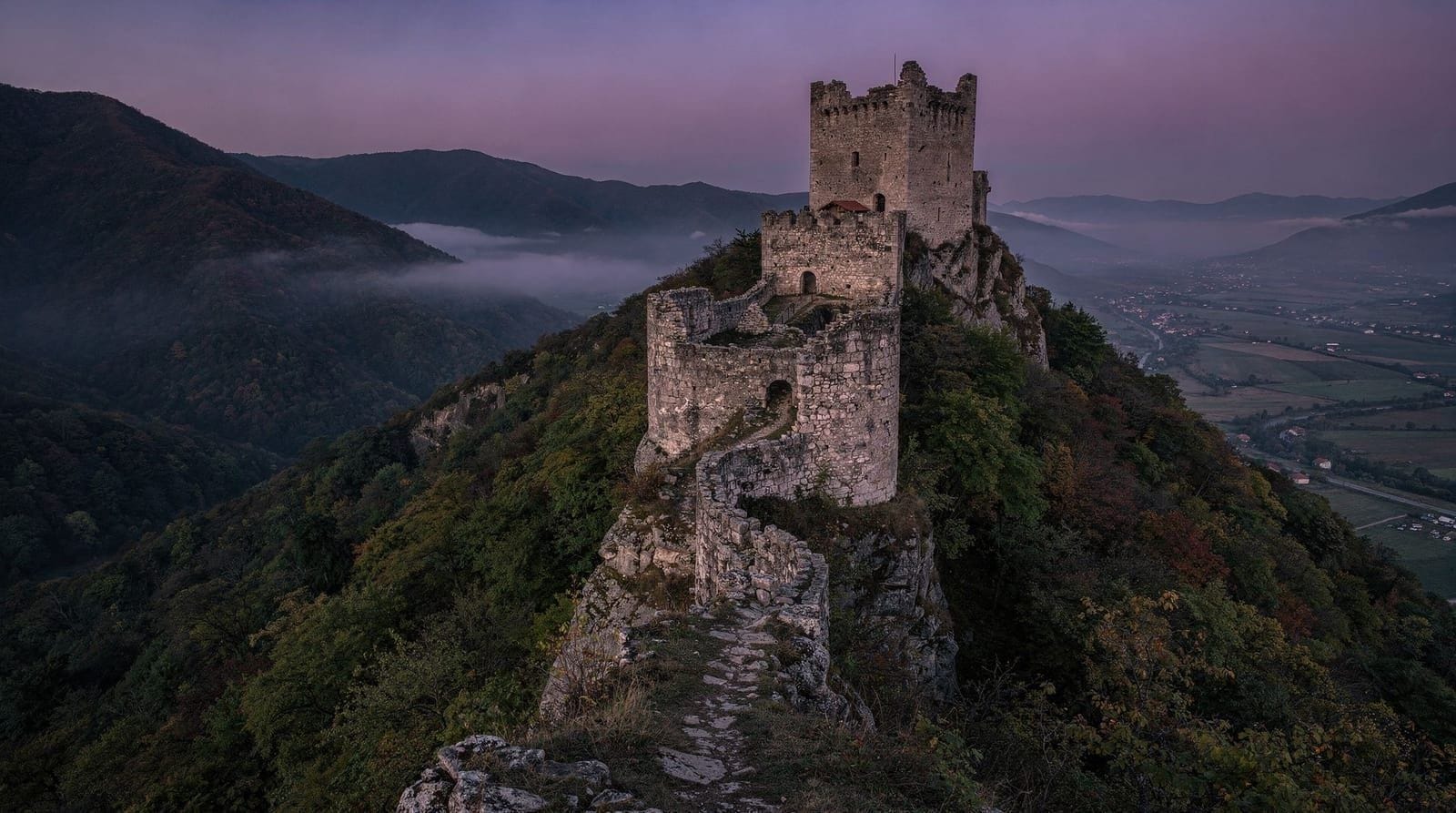
What you find at the top is a partial ruin that rewards the effort. Poenari was damaged by an earthquake in 1888, which caused the northwest tower to collapse into the Argeș River gorge below — it is still visible as rubble on the hillside. What remains: the original 15th-century stonework in sections of the curtain wall, two surviving towers, and the outline of the interior structures that have since lost their roofs and floors. The views down the Argeș gorge are extraordinary — the position makes immediately clear why a military commander would choose this site.
The historical documentation here is solid in a way that Bran is not. Vlad Țepeș used Poenari as his primary stronghold during his second reign from 1456 to 1462. The Ottoman siege of 1462 — when Sultan Mehmed II led an army into Wallachia to remove Vlad from power — is the event that ended that reign. Local tradition holds that Vlad escaped through a passage in the Carpathian mountains, guided by his men and possibly aided by local villagers from Arefu. The story of the escape is one a knowledgeable guide can tell in detail on site. Entry is 10–15 RON. Poenari is not included on most standard Dracula tours but is covered by the dedicated real Dracula tour options available from Bucharest.
Snagov Monastery — the burial question
Snagov Monastery sits on a small island in Snagov Lake, approximately 40 km north of Bucharest. The island is reached by a short boat crossing of about 3 minutes from the lake shore; the combined entry and boat fee is approximately 20 RON.
The monastery was founded in the 14th century. The current building complex dates primarily to the 15th and 16th centuries, with later additions and restoration. It remains an active Orthodox monastery — visitors are expected to dress modestly (shoulders and knees covered) and behaviour inside the church is correspondingly quiet.
The burial question is the site’s main draw for Dracula-focused visitors. Tradition holds that Vlad Țepeș was buried at Snagov following his death in battle in 1476, and a marked grave inside the church has been associated with him since at least the 18th century. The historical record is less definitive than tourist literature suggests. A 1933 excavation conducted under the stone slab at the traditional grave location found skeletal remains of a headless body, accompanied by a ring and fragments of a purple robe — objects consistent with a high-status medieval burial.
These were interpreted at the time as Vlad’s remains. Subsequent archaeological analysis and historical scholarship have raised doubts: the headless condition is consistent with how Vlad was reportedly killed (his head was sent to Istanbul by the Ottomans as proof of death), but the dating of the remains and their attribution to Vlad specifically remains contested.
The replica grave currently marked inside the church is a modern installation. The original remains, if they were Vlad’s, were reburied and their exact current location is debated in the academic literature.
Beyond the burial question, Snagov is worth visiting for its own qualities: the island setting on the lake, the monastery frescoes (some 16th-century), and the peaceful contrast with the crowded Bran Castle experience. If you are combining Snagov with other real Dracula sites, the Snagov destination guide on this site has more detail on the site and the surrounding lake area.
Bran vs the real Dracula sites — a direct comparison
| Bran Castle | Poenari + Snagov | |
|---|---|---|
| Historical accuracy on Vlad | Weak — likely brief imprisonment at most | Strong — documented stronghold and burial tradition |
| Crowds | Heavy, especially July–August | Light — Poenari’s 1,480 steps filter visitors |
| Physical effort | Low — paved paths and stairs | Moderate — the Poenari climb takes 30–40 minutes |
| Photogenic value | Very high — the classic castle silhouette | Good — gorge views at Poenari, lake setting at Snagov |
| Best paired with | Peleș Castle, Brașov | Curtea Veche old town ruins, Sighișoara |
Where the Dracula legend actually came from
Understanding why Bram Stoker’s novel and the historical Vlad Țepeș ended up connected at all helps explain why so much of the mainstream day-trip marketing is misattributed. Stoker never travelled to Romania; his research was conducted in libraries in England and Scotland, largely drawing on William Wilkinson’s 1820 account of Wallachian and Moldavian history, which mentioned a prince called “Dracula” in passing. Stoker borrowed the name — Dracula means “son of the dragon,” referring to Vlad’s father’s membership of the Order of the Dragon, a chivalric order fighting the Ottomans — and little else. The novel’s Transylvanian setting, its castle in the mountains, and its vampire mythology are Stoker’s invention, layered loosely onto a real historical name and region rather than built from Romanian folklore, which does not traditionally feature vampires resembling Stoker’s creation.
This gap between the marketed “Dracula” and the historical Vlad Țepeș is precisely why this site’s real Dracula vs Hollywood guide exists as a companion piece — it is worth reading in full before booking either type of day trip described above, so that whichever you choose, you know what you are actually looking at.
Choosing between the two for a family trip
Families travelling with younger children generally do better with the Bran and Peleș route — both castles have paved access and shorter walking distances than Poenari’s 1,480-step climb. The Vlad Țepeș sites guide has a fuller breakdown of which locations suit which travel style, including notes on which sites work as short stops versus half-day commitments.
Frequently asked questions about the Dracula day trip from Bucharest
Is Bran Castle really Dracula’s castle?
No — the connection is marketing. Bram Stoker never visited Romania. Vlad Țepeș had at most a peripheral connection to Bran. It is, however, a genuine medieval castle worth visiting.
Where are the real Dracula (Vlad Țepeș) historical sites?
Sighișoara (birthplace), Poenari Castle (his primary fortress), Snagov Monastery (likely burial site), and the Old Princely Court ruins in Bucharest.
What is included in a standard Dracula day trip?
Most “Dracula day trips” cover Bran Castle plus one or two other Transylvanian stops — Peleș Castle, Brașov, or Râșnov Fortress.
How long does the Dracula day trip take?
Day trips from Bucharest run 9–11 hours including travel. Real Dracula tours covering Poenari and Snagov are similarly long.
Are the Dracula day trips good value?
Bran tours combined with Peleș and Brașov are good value. Bran alone is not worth a full day from Bucharest. Real Dracula tours (Poenari, Snagov) are excellent for history-focused travellers.
Is there a Halloween Dracula tour?
Yes — Transylvania Halloween tours in late October combine Bran Castle with atmospheric dinners. Festive rather than educational, genuinely well-run.
Can I visit Poenari and Bran Castle on the same day?
It is possible but demanding — both require significant driving time from Bucharest in different directions, plus the 1,480-step Poenari climb. Most operators running a combined route need a full 10–12 hour day; check the itinerary carefully before booking.